
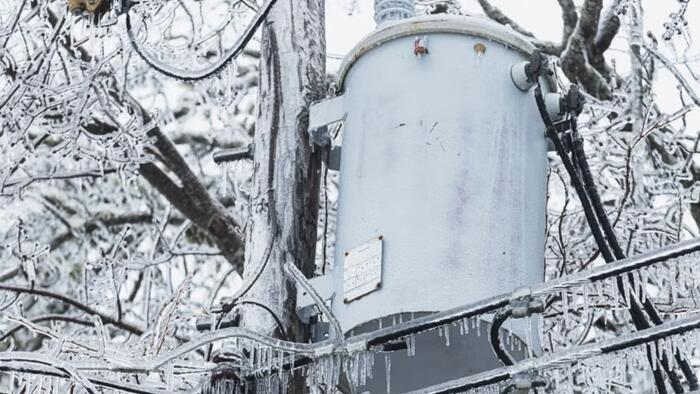
A brutal January cold snap sent electricity prices soaring across the largest U.S. power grid, as operators scrambled to meet surging heating demand and prevent outages, according to Bloomberg.
On the PJM Interconnection system — which supplies power to roughly one-fifth of Americans — wholesale electricity costs reached $15.38 billion for the month, more than double the $7.34 billion recorded a year earlier, according to Joe Bowring of Monitoring Analytics LLC.
The early figures suggest households could soon face higher utility bills, a sensitive political issue after energy prices influenced several gubernatorial races last year. The spike came alongside sharply rising natural gas prices, which hit multi-year highs across much of the East Coast and set records in some regions.
Bloomberg writes that despite the strain, the grid largely held up during the extreme weather. “…happy surprise,” said Judy Chang of the Federal Energy Regulatory Commission at a Washington conference. “We are not over it yet, but I’m hoping that the next week, too, we will survive. It’s a severe situation.”
Energy purchases drove most of the increase, climbing to $12.47 billion from $5.67 billion last January. Meanwhile, emergency measures to bolster supplies — including activating rarely used generators and covering fuel costs — more than doubled to $849 million.
Adding to the pressure, PJM is experiencing rapid demand growth as utilities expand capacity for data centers and artificial intelligence, further tightening available supplies.
Obviously, bringing more nuclear power plants online could ease this pressure over the long term by adding large amounts of reliable, round-the-clock electricity that isn’t dependent on weather or volatile fuel markets. Unlike natural gas, nuclear generation is insulated from price spikes during cold snaps, and unlike wind or solar, it can operate at full capacity regardless of conditions.
Expanding nuclear capacity would strengthen grid resilience during extreme weather, stabilize wholesale prices, and reduce the need for costly emergency measures—helping protect consumers from the kind of winter-driven cost surges seen this January.
Loading recommendations…