
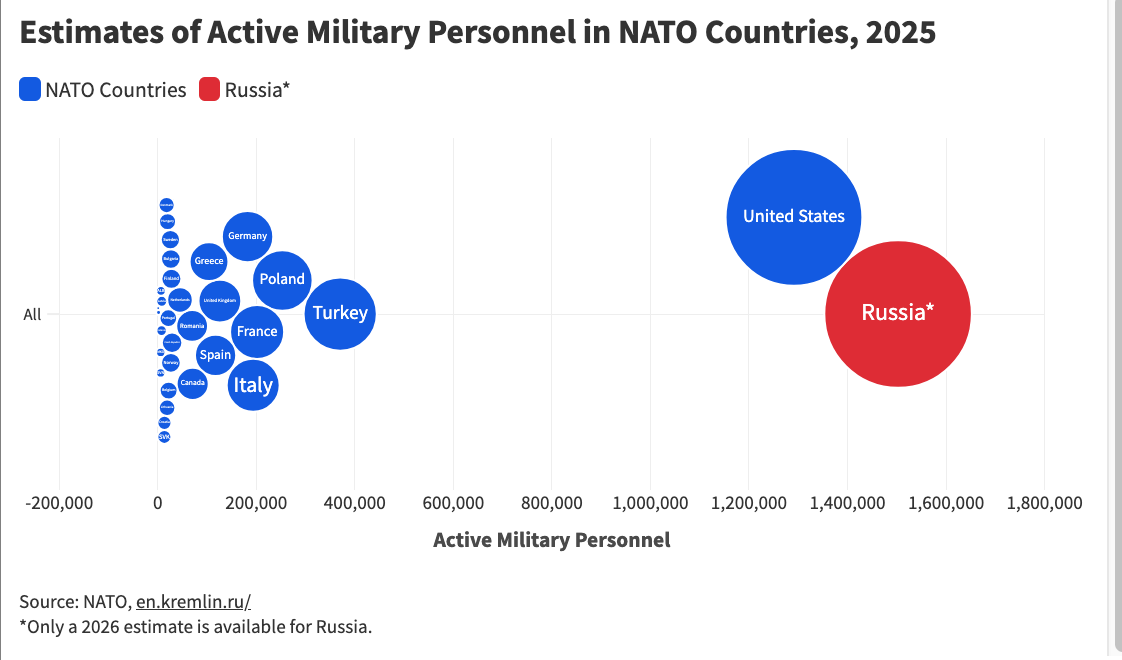
The North Atlantic Treaty Organization’s European nations would need to bolster standing militaries by at least 300,000 troops and significantly boost defense spending beyond 3.5 percent of gross domestic product—at least 250 billion euros—while reviving and integrating their industrial base to defend themselves against Russia without the United States.
And they’d need to do that fast, according to a 2025 joint analysis by European think tanks Bruegel and the Kiel Institute for World Economy.
They warn that even with 80,000 American soldiers and airmen stationed on 30 bases on the continent—and the United States’ capacity to rapidly deploy forces—Moscow will test NATO’s resolve “within three to 10 years.”
The once-inconceivable prospect of the United States withdrawing from NATO is now a possibility. President Donald Trump—never a fan of the 32-nation coalition the Pentagon has spearheaded since 1949—has called for a “very serious examining” of the alliance, after its members failed to respond to his appeal to assist in the Iran war or join the U.S. Navy’s Arabian Sea blockade of Iranian shipping.
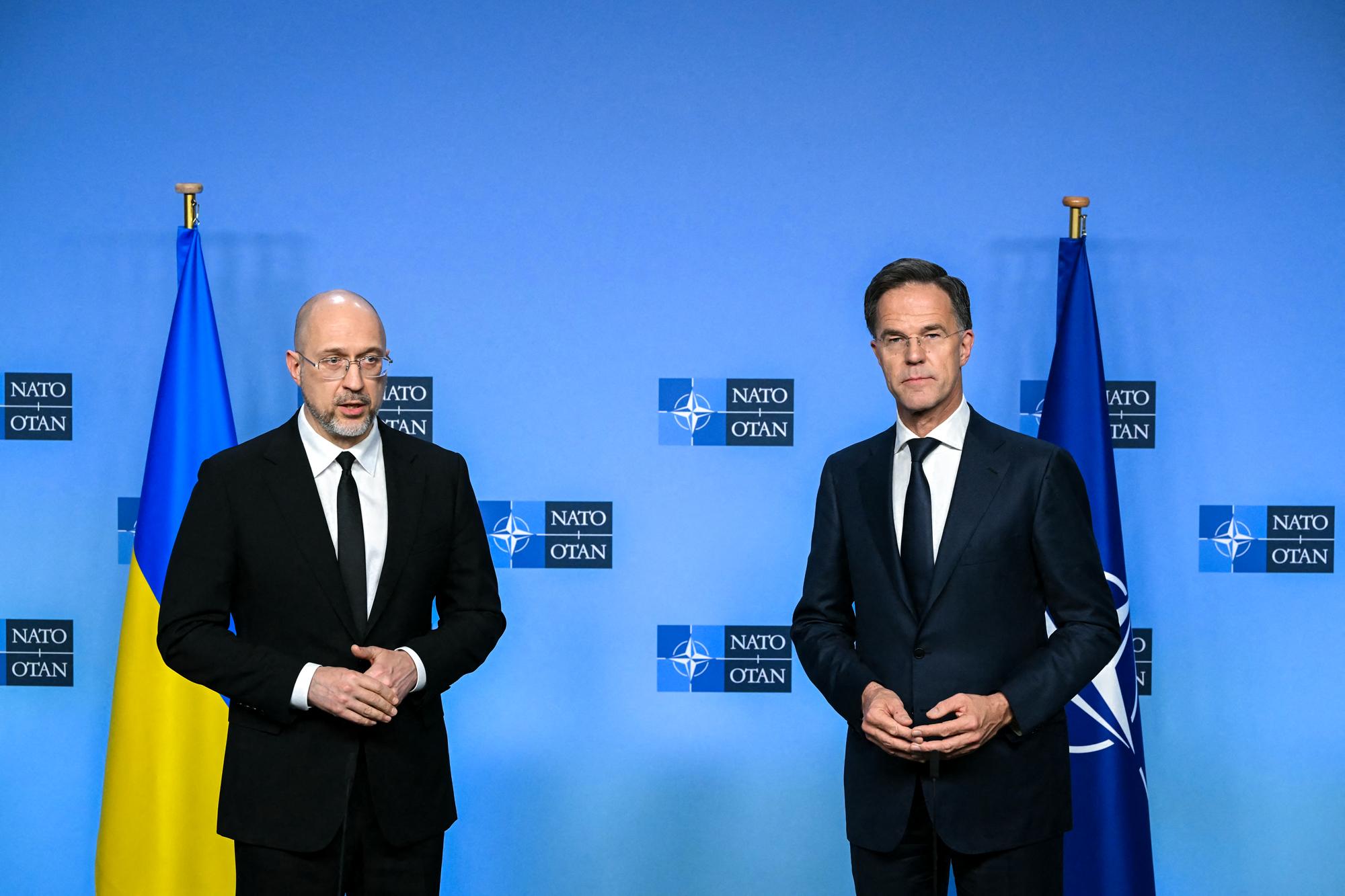
Trump has vowed Europeans could face a “reckoning” without American leadership and support. Such a departure would require unlikely congressional approval, but the president’s statements are sparking discussion on both sides of the Atlantic about a restructuring of the alliance that would require Europeans to shoulder more of NATO’s burden.
As widely reported, European allies are actively discussing and preparing for a “NATO minus U.S.” scenario. The idea originated in response to Trump’s demand for Europeans to bulk up support for Ukraine in fighting off Russia’s invasion, his threats to seize Greenland from Denmark, and his characterization of member states as “cowards” unlikely to uphold NATO’s commitments.
While Americans have questioned NATO’s post-Cold War resolve since former President Barack Obama’s administration, Europeans in turn have questioned Trump’s reliability in meeting treaty obligations.
In response to Trump’s demand that NATO allies commit 5 percent of GDP to defense, members agreed during the alliance’s 2025 summit to commit 3.5 percent to their militaries—roughly matching the percent of GDP the U.S. spends on its armed forces—and 1.5 percent for infrastructure improvements, such as cybersecurity, crisis response, and adapting roads, rail lines, bridges, and ports to military needs.
Muscle and Money
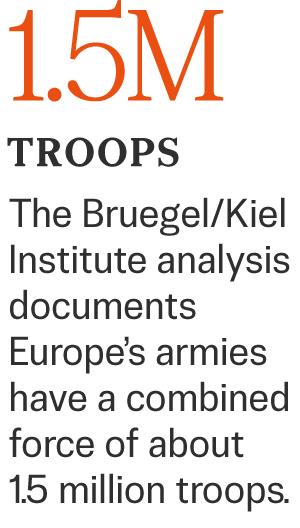
The Bruegel/Kiel Institute analysis documents Europe’s armies have a combined force of about 1.5 million troops. In order to withstand a hypothetical Russian invasion, a European-only force would need 300,000 more infantry soldiers, or roughly 50 more brigades, than it had in 2025. It would need a minimum of 1,400 tanks, 2,000 infantry fighting vehicles, and 700 artillery pieces with more than 1 million 155 mm shells—the minimum for three months of combat, the Bruegel/Kiel Institute analysis states.
That boost in manpower and armaments would exceed the current French, German, Italian, and British forces combined.
And that’s just ground forces.
To match Russian war-footing military production—even with Ukraine attrition—a Europe-only military would need collective arms procurement, common armaments, unified logistics, and integrated military units. Such an army would need to replace stationed U.S. forces and rotational deployments within the 65-mile Suwalki Corridor between Poland and Lithuania, while also establishing bases in Moldova and Romania.
These are but a few of the challenges a “NATO minus the U.S.” would face, military analysts and international relations scholars told The Epoch Times. And as Europeans by necessity assumed a more robust posture on the continent, American forces would need to compensate for the loss of specialties and skills brought by their European allies.
“Non-U.S. NATO forces are well-trained and have some highly competent defense manufacturing industries,” said University of Miami professor of politics June Teufel Dreyer, a senior Foreign Policy Research Institute fellow and former U.S.–China Economic and Security Review commissioner.
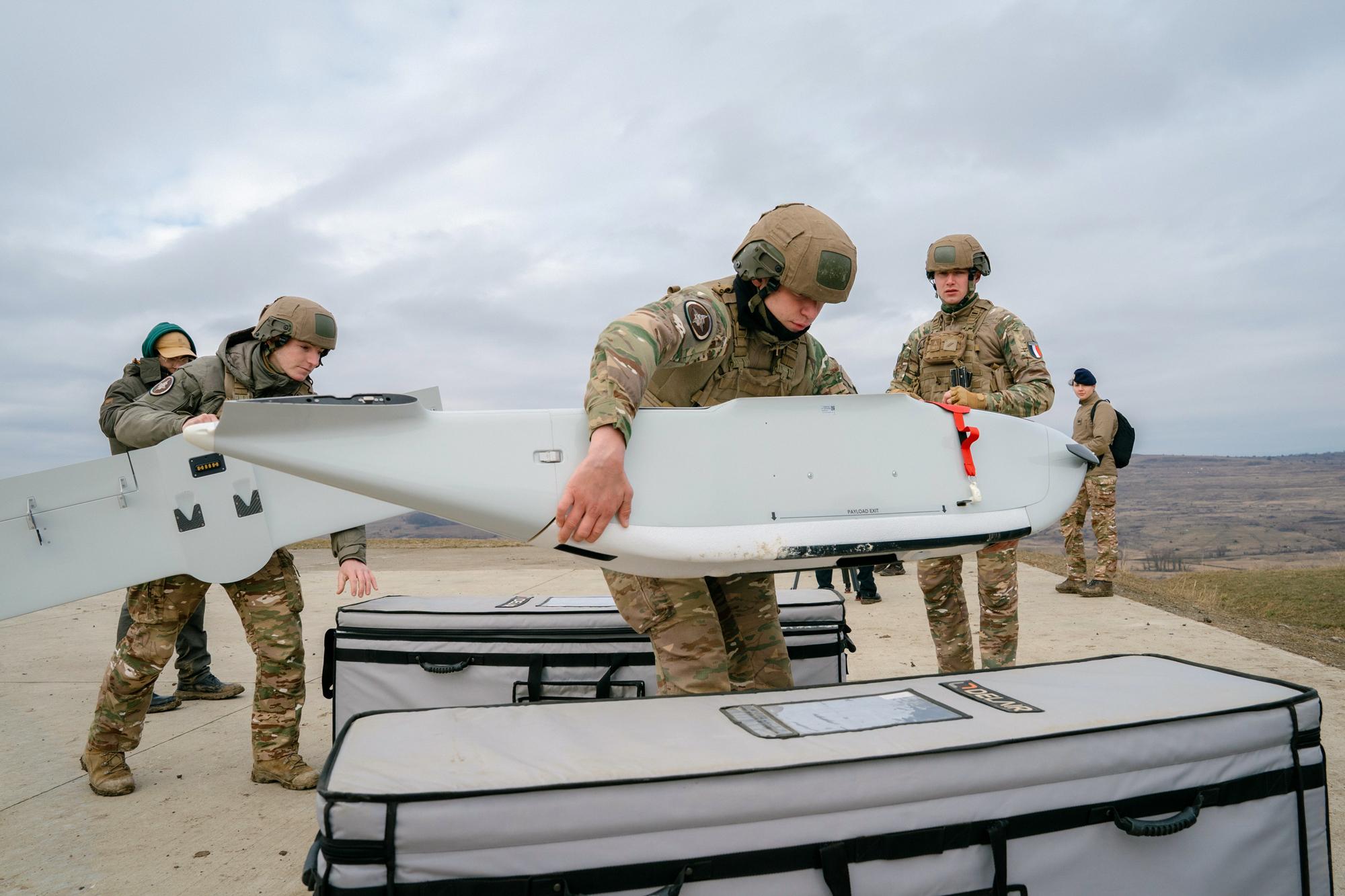
European giants such as Thales and Leonardo would “surely be attracted by the idea of more indigenous investment,” Dreyer said. But, she added, European defense contractors “also know the funds they need aren’t guaranteed” without orders from the U.S. military to, for instance, annually build 2,000 “long-range loitering munitions”—drones—to match Russia’s numbers.
“The French and the Germans build highly thought of diesel-electric submarines; Sweden produces great fighter planes,” Dreyer said.
But from a nuclear deterrent perspective, a U.S. departure from NATO is problematic. Dreyer pointed to British Prime Minister Keir Starmer’s June 2025 announcement that Britain would buy at least 12 U.S.-made F-35s to “enhance the interoperability of NATO defense” in its nuclear posture, since these jets would be the UK’s only nuclear deterrent beyond its submarine force. The stealth fighter is the first to carry both conventional and nuclear weapons.
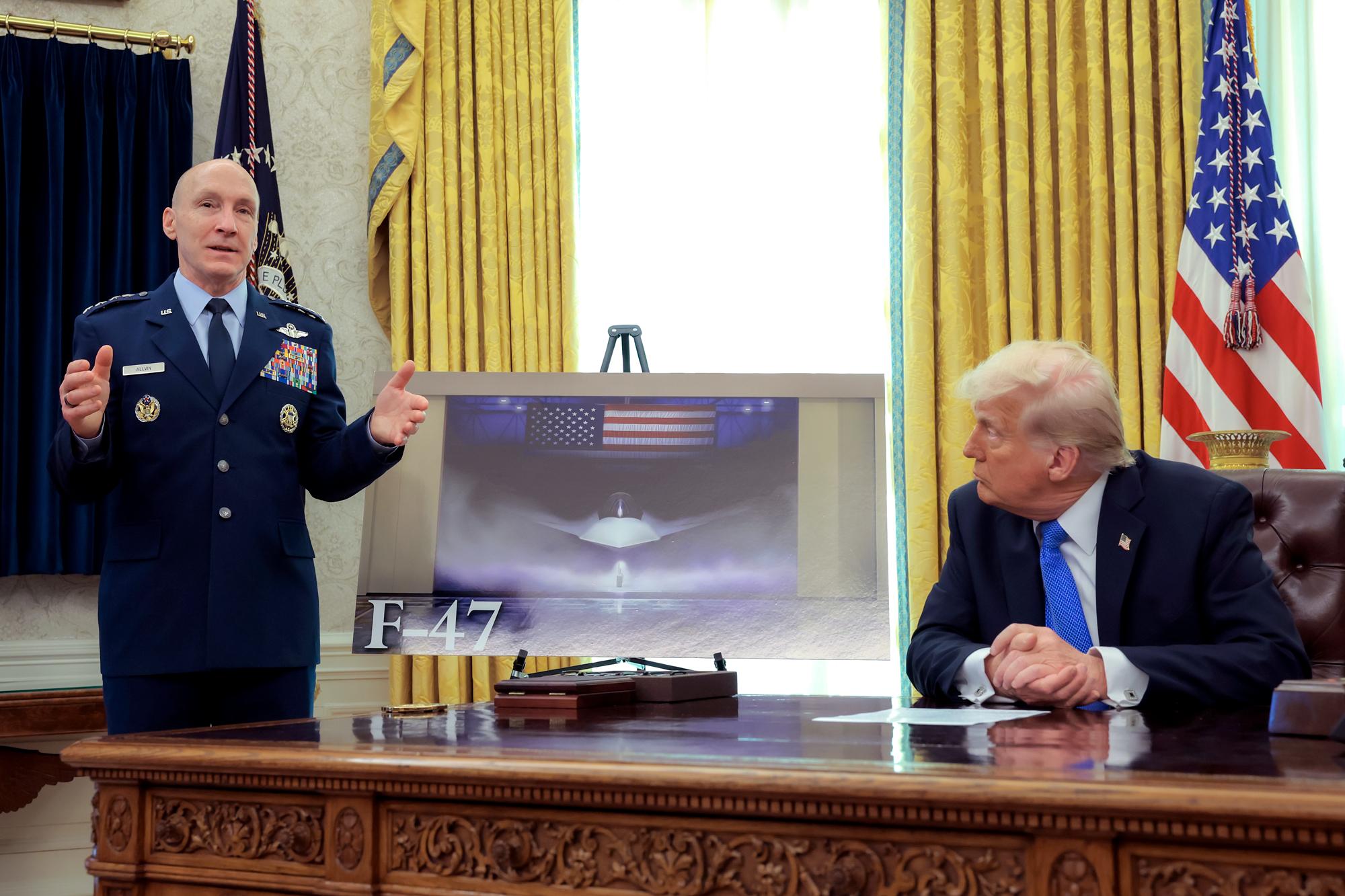
U.S. and European allies’ coordination in defense procurement and production “saves money and the R&D costs for the most advanced weapons,” she said, noting while the projected cost for the sixth-generation F-47 is $4.4 billion, but it is a shared NATO expense.
Specialties and Skills
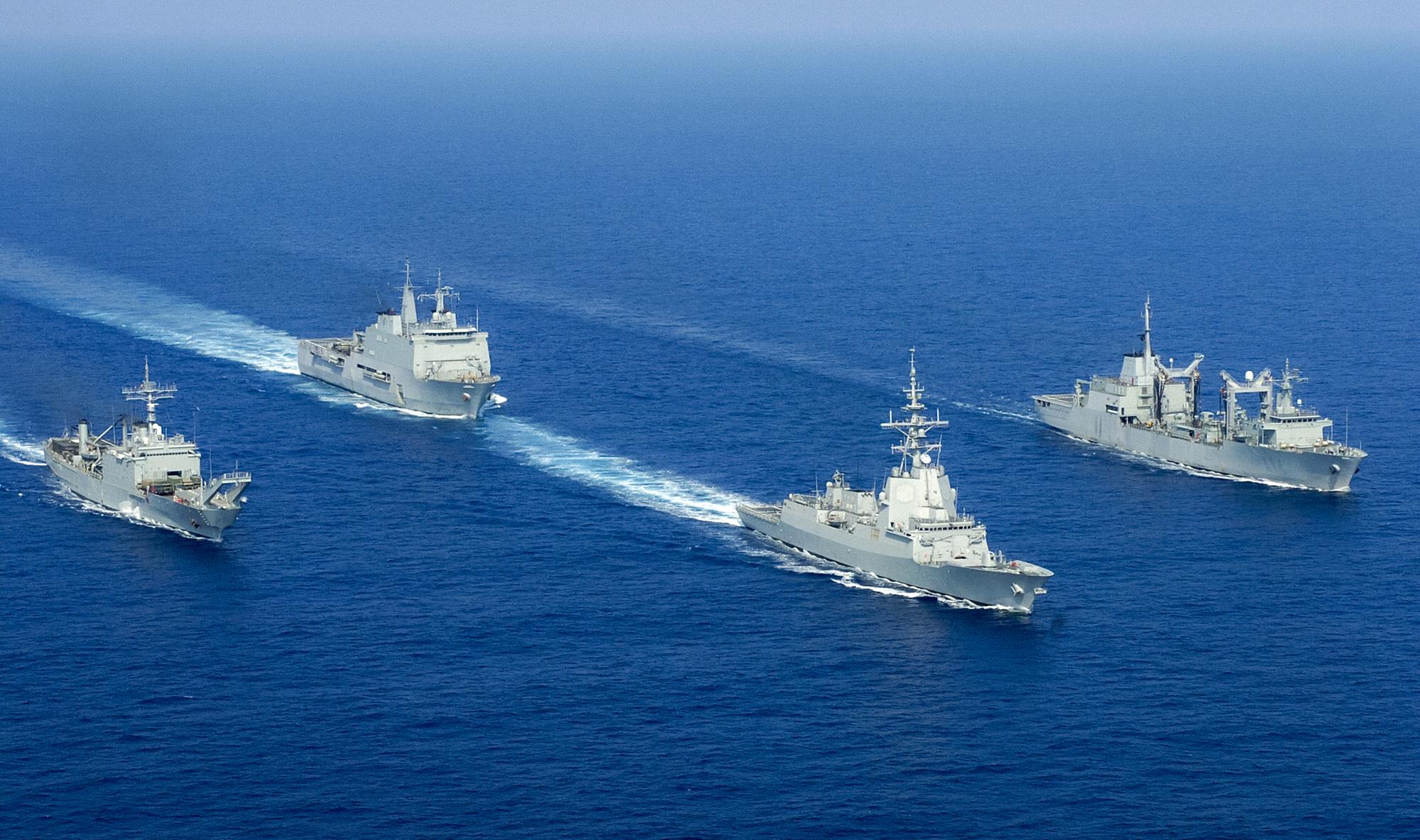
If NATO ties are severed, the United States will no longer benefit from what retired Navy captain and Epoch Times contributor Carl Schuster calls “amazing capabilities that may prove essential in any conflict.” Those capabilities include aircraft and ship design, special ops, and regional know-how such as mountain operations capabilities and Arctic warfare expertise.
However, many European military assets are aging, and it was only after Russia’s invasion of Ukraine—and Trump’s threats to pull the United States from the alliance—that leaders showed urgency to address the deficiencies, Schuster said.
He expressed doubts about Spain—which has refused to let the United States use bases on its mainland to attack Iran—and Turkey.
“Spain has rejected any idea of its ground and air forces being committed to combat outside Spanish territory,“ he said. ”So their contribution to NATO defense is more statistical than real.”
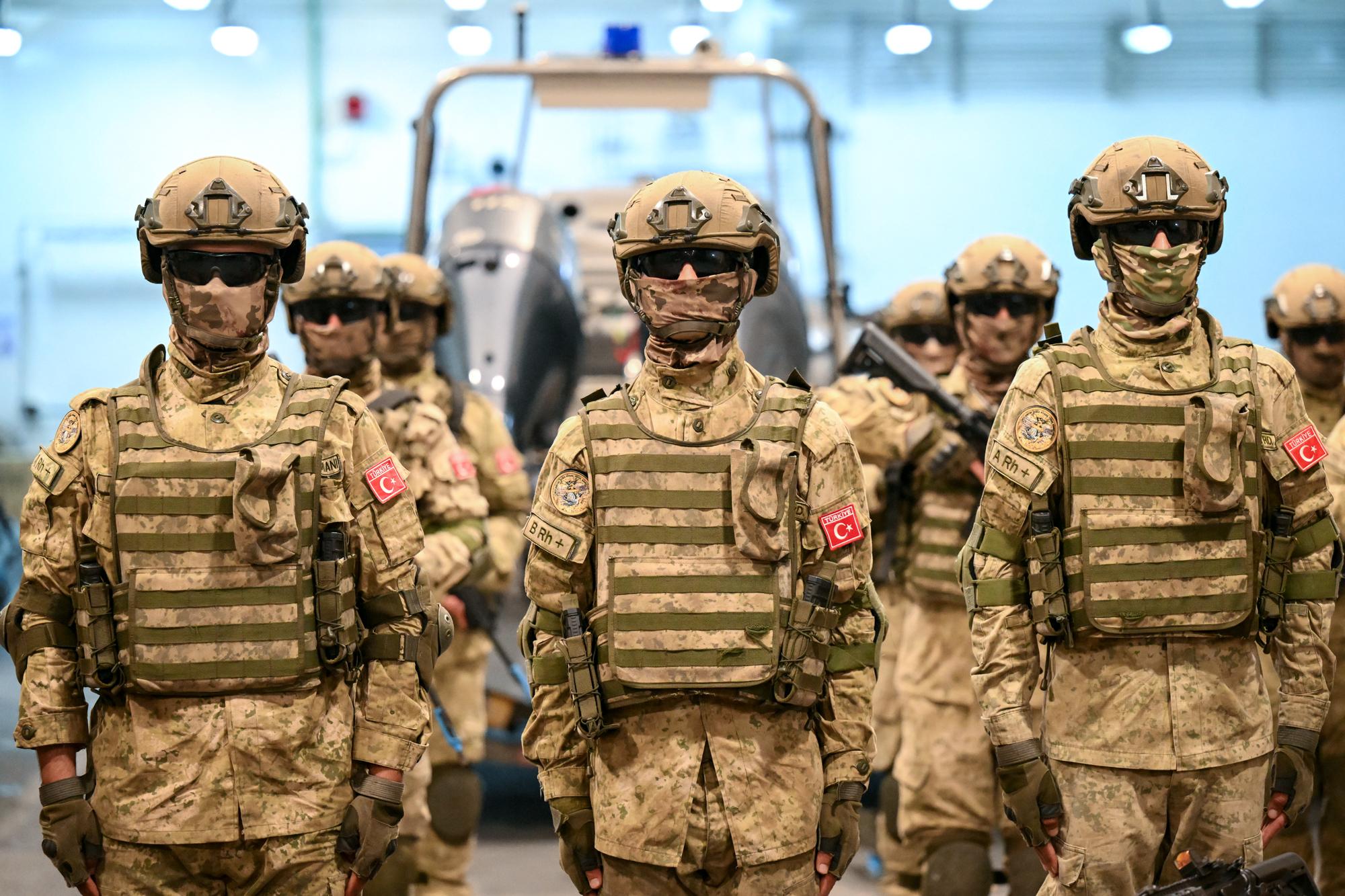
Turkey has the alliance’s largest ground force, yet its “willingness to contribute to the defense of Greece, Bulgaria, and Eastern Europe” may be questionable, he said.
Middle East Forum Director Gregg Roman also questioned Turkey’s NATO commitment, in a September 2025 column in The Epoch Times, calling for “an urgent compartmentalization assessment” after Turkey made overtures to China and Iran during the Shanghai Cooperation Organization (SCO) summit.
“Six months later,” he said in April, “that assessment is non-optional. You know, thinking about everything [NATO] is trying to put together—joint air missile defense planning—with an ally like Turkey that is functionally aligned with Iran and the [SCO] bloc that we’re opposing, they can’t be trusted.”
‘Will To Fight’
Roman questioned competencies across a range of NATO military capacities.
“Let’s pick the worst-case scenario,“ he said. ”It turns into a European defense club. You have a French nuclear umbrella, a British navy that can’t deploy one destroyer, a German industrial base that can’t deliver on ammunition schedule.
“It survives on paper, but in no way would it act as a deterrent to Moscow or any other regional power, especially not China.”
Schuster raised similar concerns, noting that few NATO militaries have common standards and cohesive “combat capabilities,” a shortfall that should have been addressed “the moment Russia became an aggressor again.”
Anders Corr, publisher at Journal of Political Risk and principal at Corr Analytics in Pittsburgh, said the United States needs nothing from its NATO partners and only American money keeps the European defense industry producing.
“I’m not aware of any significant European military technologies that the U.S. does not already possess,” said Corr, who is also an Epoch Times contributor. “If the U.S. needed more icebreakers and submarine-tracking capabilities, for example, these could be built relatively easily, or acquired, given the higher U.S. defense budgets likely in the future.”
“What’s missing?” Dreyer asked. “Undoubted competence aside, there’s NATO nations’ willingness to fund the additional costs of going it alone—and their will to fight.”