
 When she was 88, Hilda Jaffe decided to open a new chapter in her life.
She sold her home in New Jersey and moved to a one‑bedroom apartment in the heart of Manhattan. At over 100 years old, Jaffe has been a longtime volunteer tour and exhibition guide at the historic New York Public Library. She cleans her small apartment by herself and walks about half a mile from her home to the library, and to local grocery stores, carrying her groceries home.
As part of her volunteer work at the library, Jaffe gained in-depth knowledge about the roughly 250 items displayed there, from which she selected 40 to present in her tours. “The tour is not [based on] a script. It is something that you have to work out yourself,” she said in a interview with Fortune. She uses WhatsApp, Zoom, and emails to keep in contact with her close family.
“I never expected to be 102. I’m as surprised as everybody else that I’m here,” she told KFF Health News. She attributes her longevity, by order of importance, to genetics, luck, and her commitment to staying active. “You don’t work toward it: It happens. Every day, you get up and you are a day older.”
Jaffe describes herself as a pragmatic woman: She assesses clearly what she can and cannot do, and prefers to live alone as long as she is independent and able to do things her own way.
It is no wonder she is considered exceptional. Today, about 101,000 centenarians live in the United States, and only about 15 percent of them manage to lead independent lives as Jaffe does. While many of us fear old age mainly because of diseases such as dementia and Alzheimer’s—incurable conditions that in their advanced stages lead to inability to recognize loved ones and even loss of self‑identity–Jaffe represents an entirely different category: Superagers.
Science has already shown that the aging process is usually accompanied by a gradual decline in memory. For instance, on average, 80-year-olds score half as well on memory tests as people aged 56 to 66, a decline that is considered normal and unavoidable. But groundbreaking research shows that there are rare individuals, or “superagers,” who manage to maintain cognitive sharpness and memory comparable to those decades younger.
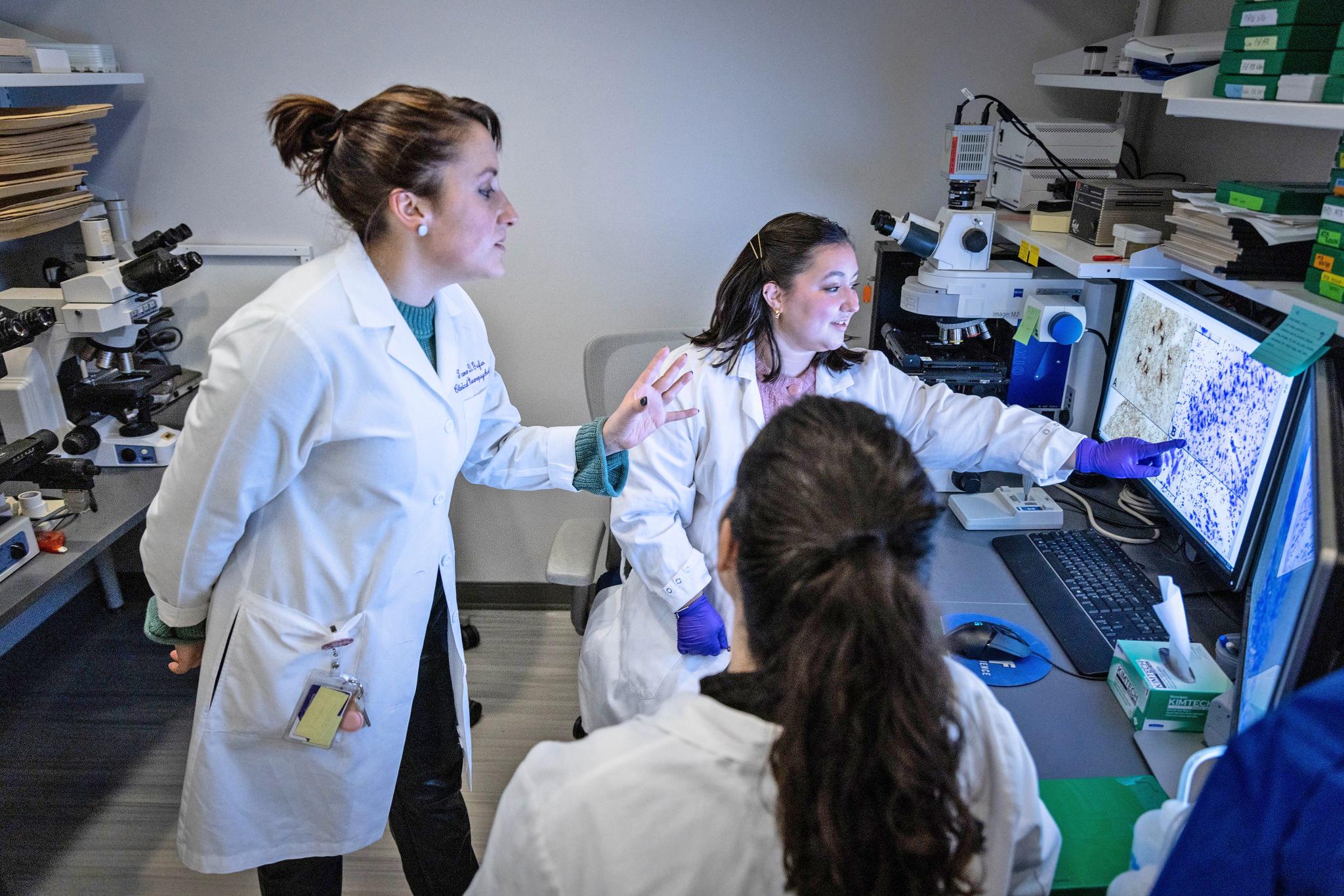
“We follow these individuals and examine their cognitive functions every year, collecting blood samples and performing MRI scans and other brain imaging scans,” Tamar Gefen, professor of Cognitive Neurology and Alzheimer’s Disease Center at the Northwestern University School of Medicine and one of the program’s lead researchers, told me in an interview. “Many of them plan to donate their brains to science after they die. In fact, 98 percent of the program’s participants have committed to doing so.”
Gefen continued, “We are trying to understand the reverse of Alzheimer’s disease. If Alzheimer’s involves memory loss, then the Superaging research seeks to answer a different question: How can memory be preserved despite the advancement of age?”

What’s the Secret Ingredient?
One of the most intriguing findings of the research is the enormous variation in the lifestyles of superagers. Some maintained a healthy lifestyle throughout their lives–balanced nutrition, physical activity, and regular sleep–while others did exactly the opposite: They smoked, drank alcohol, didn’t exercise, lived under constant stress, and didn’t even sleep adequately.
Surprisingly, their medical histories were not necessarily “cleaner” than those of their peers, and their medication regimens were not fundamentally different, either.
Despite this, Gefen and her colleagues found significant differences between the brains of typical elderly individuals and those of superagers. One of the most striking findings is that the rate at which their brains age is entirely different: MRI scans showed that superagers’ brains lose almost no volume over the years.
A study comparing 24 superagers with 12 “typical” elderly adults found that the rate of brain atrophy among superagers was only about half of their age‑matched peers. In fact, superagers’ brain volume resembles that of people 20 or 30 years younger, unlike typical elderly adults of the same age, who show clear brain shrinkage. “Once you pass 80 years of age, it’s normal for things in the body and brain to begin to shrink,” Gefen explained. “Once the process begins and the brain loses volume—personality, communication, and life itself begin to shrink along with it.”
These differences are not limited to the general structural level, and they are also evident at the cellular level. One such difference relates to neuron size. “When we examined the hippocampus—the region of the brain responsible for encoding memories—we saw that in the brains of superagers, the neurons are larger, stronger, and have greater structural integrity. This was found to be the case not only when they were compared to healthy adults their own age, but also when they were compared to people in their 40s,” Gefen said.
Another significant difference was found in the anterior cingulate cortex (another area of the brain involved in memory). “In my doctoral work, I examined this region in superagers and compared it to that of their age‑matched peers as well as much younger adults. We found that superagers have a much higher density of Von Economo neurons. These neurons are not only more numerous but also longer and healthier among superagers, even when they are compared to people in their 30s or 40s,” Gefen said, adding that these special neurons may contribute to high cognitive abilities and the preservation of memory sharpness.
Another interesting finding relates to microglia, the brain’s immune cells. Like other immune cells in the body, they can cause inflammation and damage to neurons when they become overly active. In many elderly adults, microglia show increased activity with age, but in superagers, an entirely different picture emerged in research: The activity level of these cells remained low. This likely helps reduce inflammation in the brain as well as maintain its proper functioning at an advanced age.
Gefen said that in addition to the structural and cellular differences, there are also psychological differences among superagers. “Not long ago we conducted a study and found that superagers generally rank very low on neuroticism and relatively high on extraversion—they value social connections,” she said.
Asked how superagers cope with challenges, Gefen stressed their emotional toughness.
“I don’t have specific empirical findings on this, but I can tell you from observation that after meeting so many superagers, I see that they possess extraordinary emotional resilience. We have, for example, Holocaust survivors, and when you speak with them—they do not deny their pain—but they are able to withstand it and move forward. It’s a kind of positivity that allows them to remain future‑oriented. They look ahead.”
The most striking example, in her view, is Edith Smith, who recently celebrated her 111th birthday, making her the oldest superager in the program. “She is simply amazing,” Gefen said. “In every meeting, she smiles and radiates wisdom. She lived through two world wars, contracted COVID twice after the age of 105, and still emanates lightness and spirituality. She tells us to take things lightly. She experienced tremendous loss, has seen everything, and still remains positive and humble. She is an inspiration to us all.”
A Plot Twist
Sister Mary, a nun from Pennsylvania, worked as a teacher until she was 84 and later participated in the University of Kentucky’s “Nun Study.” As part of the study, 678 nuns from across the United States were evaluated annually to assess their cognitive functioning.
Professor David Snowdon, a neurologist and the lead researcher, recounted that Sister Mary excelled in all tests, even at the age of 101. A few months later, she passed away, and an autopsy of her brain revealed large amounts of the two well‑known biological markers of Alzheimer’s: amyloid‑beta plaques and tau protein tangles.
How could her brain appear “diseased,” yet she remained cognitively intact? Similar cases have shown that the relationship between pathological findings and cognitive functioning is not straightforward: Some people continue to function well even when their brains are filled with proteins characteristic of Alzheimer’s, while others develop severe symptoms of the disease even with relatively small amounts. This led to the question: What gives certain individuals protection against cognitive decline?
Over the past decades, three main mechanisms have been defined to explain this resilience. The first is called “Brain Reserve,” referring to the brain’s “hardware” or its size and structure. A heavier brain with more neurons or more neural connections can “absorb” damage over time. Even when cells begin to deteriorate, enough of them still remain to maintain normal functioning.
“So even if we eat well, exercise, and challenge our brains regularly, it may help us stay healthier as we age, but it won’t guarantee that we become ‘superagers,’” I said to Gefen.
“Correct. My adviser used to say that the best decision you can make is to choose your parents wisely. In a sense, that’s true—much depends on genes and luck. But there are things one can do. About a year ago, an important paper was published showing that addressing 14 risk factors reduces the risk of dementia by 40 percent. These include, for example, controlling blood pressure, avoiding high cholesterol, preventing traumatic head injuries, avoiding smoking, and reducing chronic stress,” Gefen said.
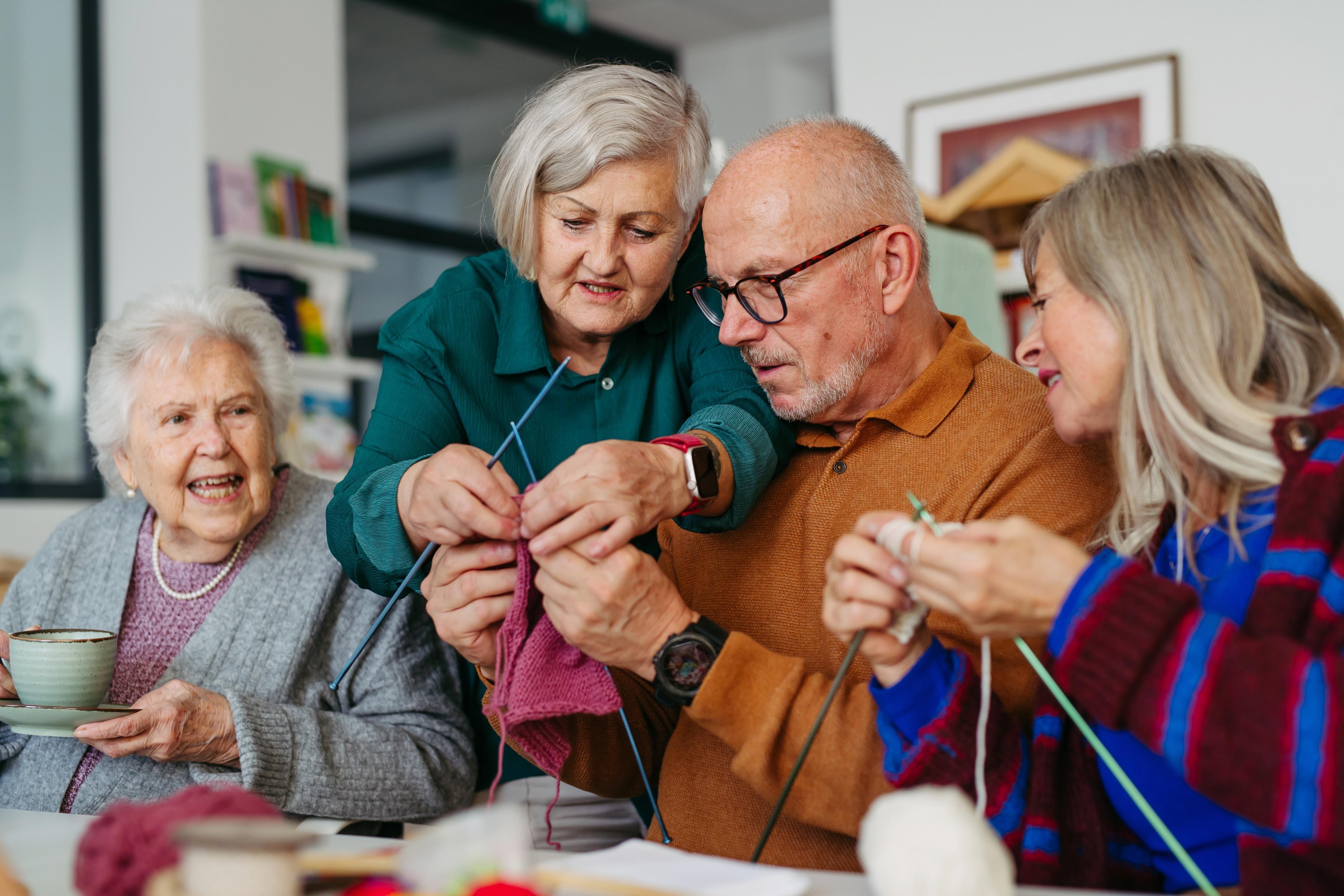
“When people ask me how to become a superager, I say, ‘first of all, protect yourself from dementia.’ Today, about half of people aged 85 and older suffer from this disease,” Gefen said. “Beyond that, I don’t have a formula. But meeting superagers has given me tremendous hope about aging. As a child, I imagined old age as a woman sitting in a chair knitting, quiet and fragile. Superagers completely changed that picture—aging no longer seems frightening or sad, but full of vitality and hope.”

‘A Time to be Born, and a Time to Die’
Since the dawn of history, humans have dreamed of delaying aging and defeating death. In the ancient epic of Gilgamesh, King Gilgamesh embarks on a desperate quest for eternal life after the death of his friend. At the end of his journey, he discovers a bitter truth: “Why, O Gish, does thou run about? The life that thou seekest, thou wilt not find. When the gods created mankind, death they imposed on mankind; life they kept in their power.” The desire to prolong life, Gilgamesh was told, is a rebellion against natural order; humans are destined to experience joy and sorrow within the boundaries of a finite life.
In modern Western culture, the desire to “fight time” is reflected in the anti‑aging industry and in scientific efforts to extend life. The transhumanist movement even views aging as a “disease” that must be cured. Yet, at the same time, many question whether such a struggle is even valid, and some wonder if refusing to age also means refusing to grow up.
Poetry and literature throughout the ages have used seasonal imagery to describe the cycle of life, reminding us that any resistance is futile. Religious traditions also encourage us to view aging differently. According to Ecclesiastes, “To everything there is a season, and a time to every purpose under the heaven: a time to be born, and a time to die,” and “One generation passes away, and another generation comes; But the earth abides forever.” Each generation is succeeded by the next, and that is the order of the world.
In Leviticus, old age was perceived not as a flaw but as a virtue: “You shall rise before the gray-headed and honor the presence of an old man.” Instead of resisting the signs of age, we are advised to honor the elderly and see them as sources of wisdom and experience without neglecting the obligation to care for and heal them.
Perhaps this brings us back to Hilda Jaffe’s words—aging well is largely a matter of luck, genes, and fate. Superagers may inspire in us a longing for healthier, longer lives, but from a traditional perspective, accepting our fate and the cycles of life may in itself be a part of the secret of resilience.