
OAN Staff Jenna Lee and Brooke Mallory
3:36 PM – Wednesday, April 29, 2026
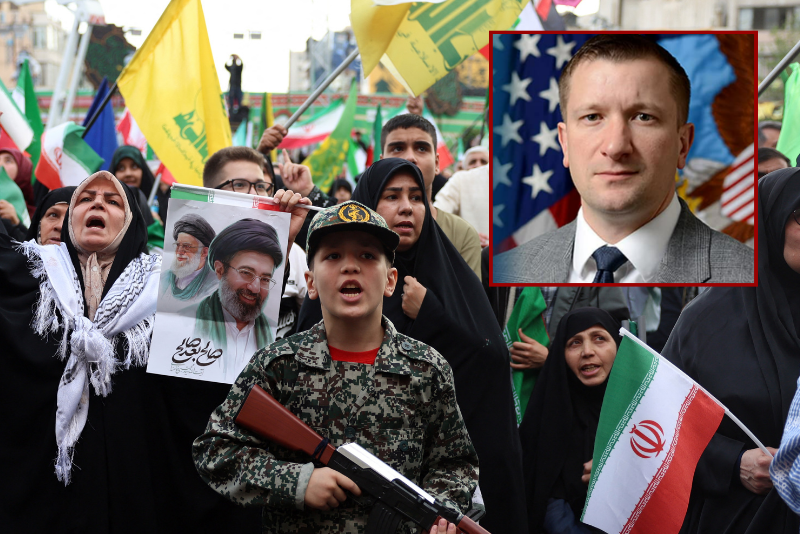
In a testimony before the House Armed Services Committee, acting Pentagon Comptroller Jules Hurst III revealed that U.S. military operations related to the conflict in Iran have cost American taxpayers approximately $25 billion to date.
This figure represents the first official financial assessment released by the Department of War regarding the ongoing engagement. Appearing alongside Secretary of War Pete Hegseth and Chairman of the Joint Chiefs of Staff Dan Caine, Hurst provided the estimate as part of a briefing on the economic and strategic impact of the war.
“Approximately, of this day, we’re spending about $25 billion on Operation Epic Fury,” said Hurst to the committee’s top Democrat, Rep. Adam Smith (D-Wash).
Despite questioning from Representative Maggie Goodlander (D-N.H.), Hurst declined to provide lawmakers with a detailed breakdown of how the $25 billion has been allocated. This lack of itemized data left the specific distribution of expenditures unclear following the exchange.
$25 billion “just reflects the costs of the war [in general],” Hurst said. “So we’ve already spent the dollars on munitions and things like that, so we’re factoring in costs of munitions expended in that total.” The total “reflects the munitions that have been spent to date and other operational costs,” added Hurst.
Following the joint U.S.-Israeli strikes on Iran on February 28th, the Pentagon has bolstered its regional presence by deploying tens of thousands of additional personnel and maintaining three aircraft carrier strike groups in the Middle East.
Until now, the Pentagon had not provided a formal financial update to Congress since the onset of the conflict, prompting inquiries into whether the Trump administration will soon request a supplemental funding package to sustain the ongoing military operations.
“We will formulate a supplemental, through the White House, that will come to Congress once we have a full assessment of the cost of the conflict,” Hurst told Smith.
The financial toll of the conflict has taken on heightened significance for Congress as the hostilities approach the 60-day mark — a critical threshold established by the 1973 War Powers Resolution.
Under this law, an administration may conduct military operations without congressional authorization for only 60 days, after which lawmakers must vote to approve the continued use of force or the president must request a specific 30-day extension.
With eight weeks of combat failing to yield a peace deal between Washington and Tehran, the window for unilateral executive action is closing. Against this backdrop of diplomatic efforts, President Trump signaled a firm stance on Truth Social, warning that Iran “better get smart soon!”

Stay informed! Receive breaking news alerts directly to your inbox for free. Subscribe here. https://www.oann.com/alerts
What do YOU think? Click here to jump to the comments!
Sponsored Content Below