
As Canada moves toward its net-zero climate goals, questions are growing over whether potentially overly pessimistic climate projections have caused the country to miss out on years of billion-dollar investments and rapid economic growth.
Canada’s push to reach net-zero emissions by 2050 has shaped major government policy in recent years, including carbon pricing, emissions rules, environmental regulations, and billions in spending on clean energy initiatives.
In the latest development related to international organizations dedicated to climate change issues, some researchers linked to the United Nations’s climate panel have scaled back expectations for the most extreme global warming scenarios that have shaped climate policy discussions for years, while arguing this is a sign of climate action working.
“To the extent that they are justifying some of these regulations using cost-benefit calculations following from [a] regulatory impact assessment a few years ago, those are now obsolete,” said Ross McKitrick, an environmental economics professor at the University of Guelph.
Scrapped Investments, Cancelled Projects
Critics of Canada’s net-zero policies say the economic effects are already visible across the resource sector, where major oil and gas, mining, and infrastructure projects have faced years of delays, cancellations, or regulatory uncertainty.
The Fraser Institute has repeatedly argued that climate-related regulations are discouraging long-term investment in Canada’s energy industry. One analysis from the think tank estimated the proposed federal oil and gas emissions cap could reduce the value of the sector by as much as $255 billion by 2040, depending on the scenario.

The overall impact of the climate policies is likely not even measurable just through cancelled projects, some economists say. The cost must also include investments that companies never pursued because they viewed Canada as too costly, too uncertain, or too difficult to develop for major works.
Missed LNG, Other Energy Projects
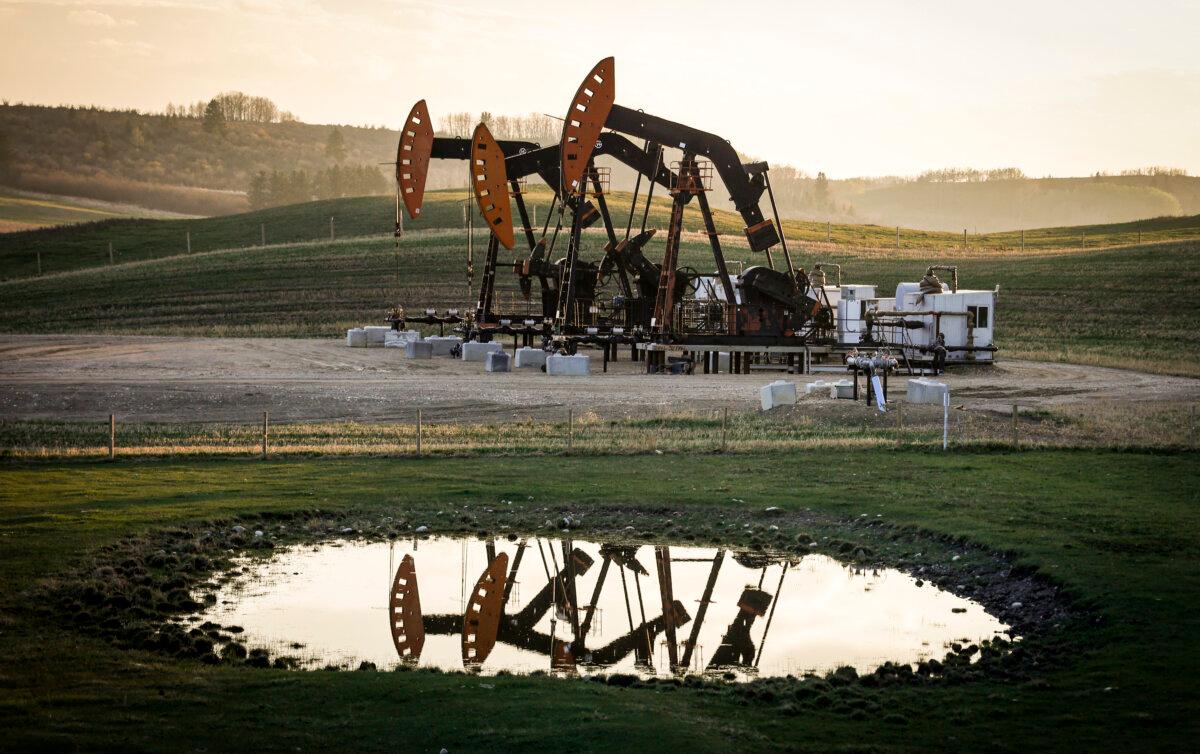
Canada has some of the world’s largest oil and natural gas reserves, yet only one operating LNG export terminal after years of regulatory hurdles, pipeline constraints, and cancelled proposals.
During the same period, the United States rapidly expanded LNG export capacity and became one of the world’s largest exporters.
McKitrick said Canada’s limited LNG export capacity represents one of the clearest examples of lost economic opportunity.
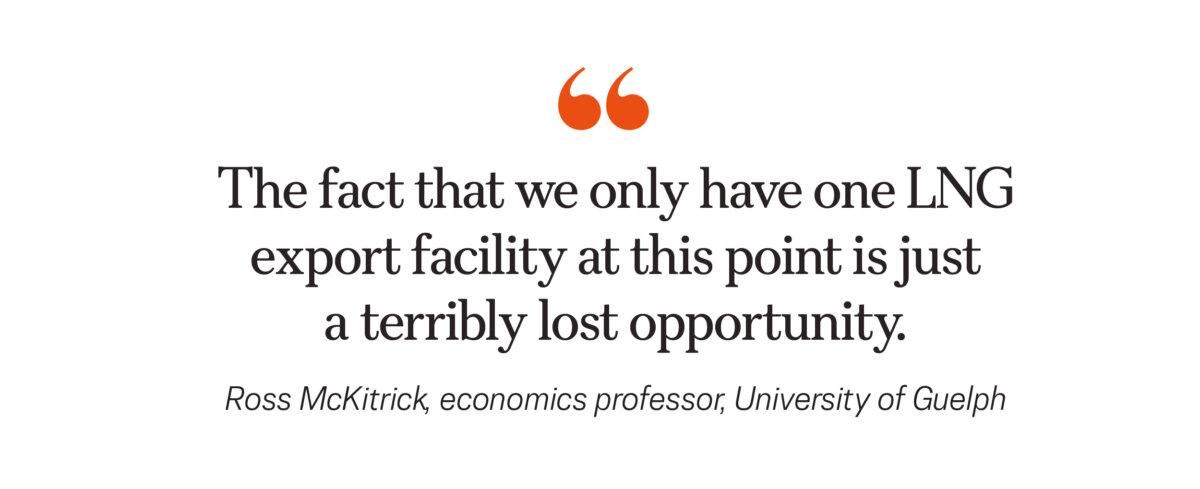
“The fact that we only have one LNG export facility at this point is just a terribly lost opportunity,” he said.
He also pointed to data centres and other energy-intensive industries as examples of investment that Canada may be struggling to attract because of rising costs and uncertainty around energy policy and infrastructure development.
“The fact that we haven’t really got any data centres coming into Canada, that’s another big missed opportunity compared to other countries,” he said.
Michael Binnion, founder of Questerre Energy, argued that stricter climate policies have hurt Canada’s competitiveness by pushing investment and production to other countries with weaker environmental standards, if the overall goal is the reduce global emissions.
Mintz argued many of Canada’s economic challenges stem from policies tied directly or indirectly to the country’s net-zero commitments, including carbon pricing, emissions rules, and project approval uncertainty.
“You can go through a gamut of these,” Mintz said. “The Impact Assessment Act, which basically made it very difficult for any project to be done, whether it was a pipeline or greenfield oil development, certainly put a tail on investment in the resource development side.”
The legislation, introduced by the Trudeau government, requires additional federal environmental assessments. The provinces of Alberta and Saskatchewan have argued that these assessments hinder pipeline projects by imposing an added regulatory burden.
The Carney government has since introduced new legislation allowing selected government-designated projects to be accelerated, while the Conservatives argue that legislation such as the Impact Assessment Act should be repealed altogether so that the industry can operate without the government choosing which projects to prioritize.
Arguments for Net-Zero
Supporters of the policies, however, argue that the transition toward lower-emissions energy also presents major economic opportunities. They foresee Canada emerging as a world leader in a global shift toward lower emissions.
Ottawa says its commitment is driven by both environmental and economic considerations, arguing that cleaner industries and lower-emissions exports will become more competitive as countries tighten climate rules and seek lower-carbon supply chains.
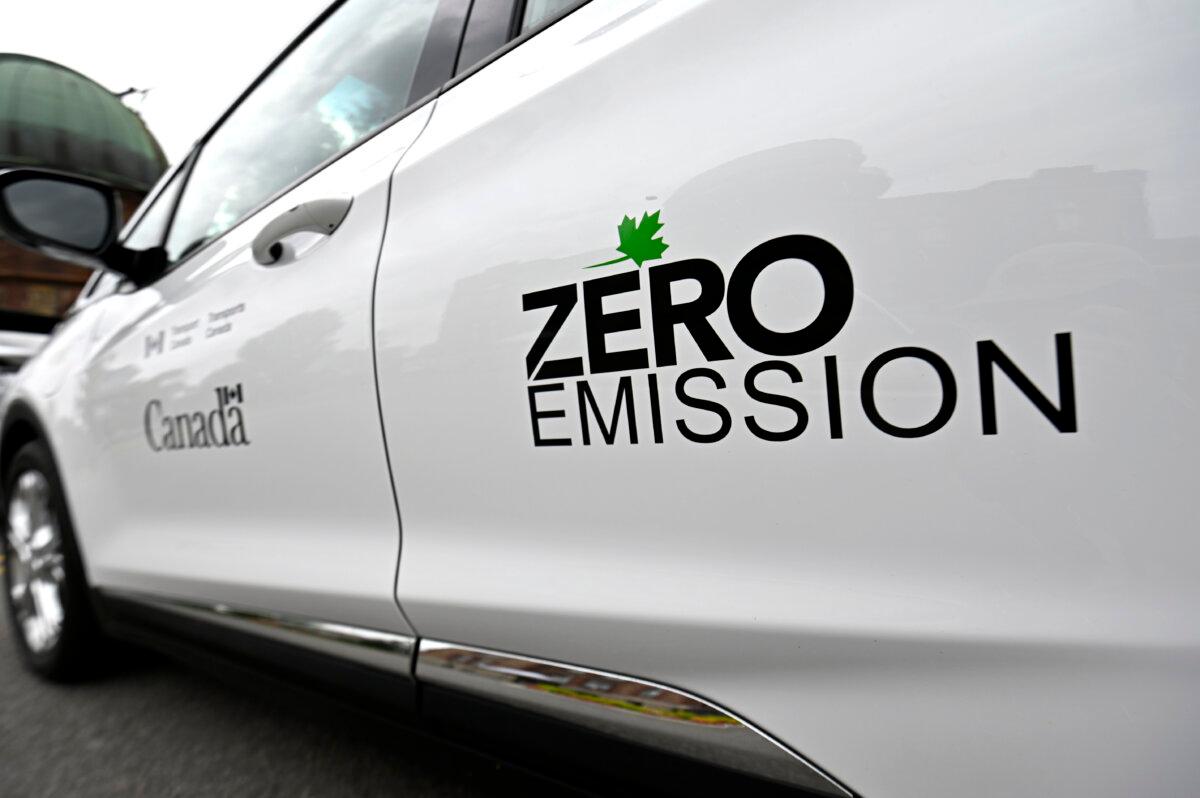
The federal government has also argued that pursuing net-zero emissions by 2050 will attract investment and strengthen Canada’s long-term economic position through clean energy development and replacing systems powered by fossil fuels with systems powered by electricity.
A report from Clean Energy Canada last year said global demand for technologies such as batteries, electrolysers, and heat pumps is expected to grow sharply over the next decade, rising from roughly US$700 billion in 2023 to more than US$2 trillion by 2035.

“Canada has a tremendous opportunity to leverage its clean electricity advantage to attract new industries and clean up existing ones,” the report said.
Prime Minister Mark Carney has also repeatedly described Canada’s potential to become a “clean energy superpower,” arguing the transition away from higher-emissions energy sources presents major economic opportunities, and that global markets would be looking for low-emission energy sources.
Signs of a Shift
Even as Ottawa maintains its commitment to reaching net-zero emissions by 2050, the federal government has recently signalled greater openness to developing conventional energy, including talks about expanding pipeline capacity and speeding up approvals for major projects, given today’s realities of a slowing domestic economy and global demand for energy.
Last week, a German utility signed an agreement to buy one million tonnes of LNG per year from the Ksi Lisims project in northern B.C.

Carney and Energy Minister Tim Hodgson have both spoken about turning Canada into an “energy superpower,” while Ottawa and Alberta have discussed ways to fast-track nationally significant infrastructure through the federal government’s Major Projects Office.
Alberta Premier Danielle Smith said the province plans to submit a proposal for a new crude oil pipeline to the B.C. coast by July, although the idea continues to face opposition from the British Columbia government and several First Nations groups along the proposed route.
The Conservatives say the federal government should remove restrictions such as the industrial carbon tax and allow the industry to grow on its own without the government “choosing winers and losers.”
Binnion said the shift in rhetoric suggests governments are beginning to recognize growing concerns around investment, productivity, and competitiveness, though he said it remains unclear whether that will translate into major policy change.