
China’s latest push to choke off capital flight is starting to hit Hong Kong right where it hurts, according to a new feature from Bloomberg.
For years, the city has served as the main offshore escape valve for mainland wealth — the place where Chinese founders, executives and wealthy families parked money, opened private bank accounts, bought property and set up family offices. Now Beijing is tightening that channel, raising questions about whether Hong Kong can remain Asia’s go-to offshore wealth hub.
Bloomberg writes that the latest measures include roughly $330 million in penalties against three brokerages widely used by Chinese investors to access offshore markets, along with tighter scrutiny of banks, trust structures and wealthy individuals moving money abroad. Advisers in Hong Kong say clients quickly began asking whether their accounts could be affected and whether more restrictions are coming. As one lawyer put it, Beijing isn’t slamming the door shut all at once — “they are installing a doorframe.”
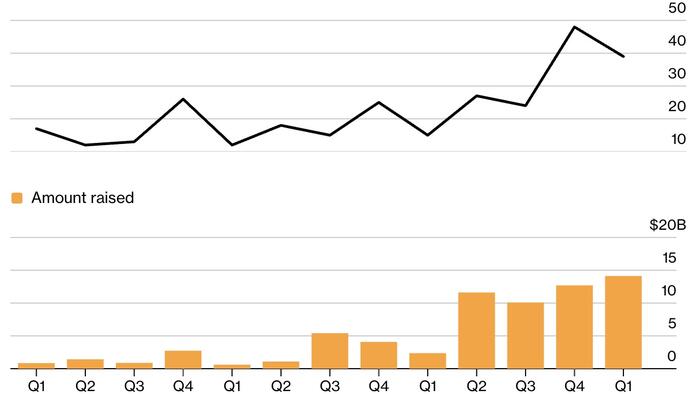
That matters because Hong Kong has become deeply dependent on mainland money. Chinese households and companies moved a record $807 billion out of the country last year, and a large share of it landed in Hong Kong, helping the city overtake Switzerland as the world’s biggest offshore wealth hub. That money has supported luxury spending, real estate, stock trading and Hong Kong’s IPO rebound.
Now the mechanics of moving that money are getting harder. Bankers say mainland clients are facing tougher onboarding standards, including declarations that their wealth was sourced outside China. Private banks are fielding more questions from nervous clients, and some ultra-wealthy Chinese are already looking beyond Hong Kong to Europe, Switzerland and the US. The goal doesn’t seem to be stopping every dollar from leaving China, but making sure Beijing has more visibility and leverage over where it goes.
Beijing is also targeting the offshore structures Chinese founders have long used to turn mainland business success into foreign wealth. For years, the playbook was simple: build a company in China, wrap it in an offshore structure, list it abroad or in Hong Kong, collect dividends, then move that money into overseas property, trusts or family offices. China is now squeezing that route too, restricting red-chip IPO structures and tightening rules around whether Hong Kong listing proceeds can remain offshore.
The result is pressure on one of Hong Kong’s most lucrative ecosystems all at once: wealth management, offshore structuring, IPO underwriting and luxury spending tied to mainland fortunes. If rich Chinese can’t move money into the city as easily, Hong Kong doesn’t just lose deposits — it loses deal flow, brokerage activity, family office growth and some of the conspicuous consumption that has powered its rebound. As one Hong Kong lawyer put it, “The family office figures are looking great, but the doors are shutting.”

What’s driving this is straightforward: China needs control, and it needs revenue. The property downturn has hammered local finances, land-sale income has dried up, and Beijing has become more aggressive about tracking taxable wealth that has slipped offshore. It may not want to end offshore investing altogether, but it clearly wants tighter oversight, tighter rules and a bigger claim on the money once it leaves.
For Hong Kong, that creates a real tension. The city still wants to market itself as the natural offshore home for Chinese capital and the financial bridge between China and the rest of the world. But the more Beijing clamps down, the harder it becomes for Hong Kong to play that role with the same freedom it once did — making it look less like a safe haven and more like an extension of the same system wealthy Chinese were trying to hedge against in the first place.