
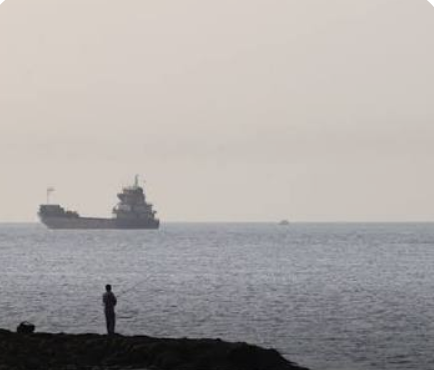
Newsmax: The U.S. military has steadily eroded Iran’s grip on the Strait of Hormuz, reopening key shipping lanes and gaining the upper hand in the battle over the critical energy choke point, Axios reported Friday.
U.S. officials told Axios that Iran’s ability to disrupt shipping has been sharply reduced after weeks of American airstrikes, mine-clearing operations, and military escorts through the strait.
“That sucker is open. The Iranian response is very mild. They don’t want us to go back at them,” President Donald Trump told Axios on Thursday.
“That’s the whole ball game. The rest doesn’t matter,” he added.
Iran moved to close the strait during the first days of the war in late February, threatening tankers and deploying naval mines in the main international shipping lane, according to U.S. and Israeli officials.
The move largely halted commercial shipping and helped drive up global energy prices. Iranian attacks and continued restrictions kept traffic well below prewar levels even after an April ceasefire and the signing of a U.S.-Iran memorandum of understanding in June.
After that agreement collapsed, the U.S. military moved to reopen the strait without Iran’s cooperation.
Working with the United Arab Emirates, U.S. forces began guiding ships through a southern channel while providing air cover and intercepting Iranian drones and cruise missiles. A two-week bombing campaign also damaged the Islamic Revolutionary Guard Corps’ ability to attack shipping.
Meanwhile, Navy divers, SEALs, drones, and private contractors carried out a sweeping operation to clear mines from the main shipping lane, while the U.S. restored its blockade of Iranian ports.
More than 200 suspected mines have been removed from the main lane, although U.S. officials said only 11 proved to be actual mines and just a few had been properly deployed.
Iran continues firing at vessels, but a U.S. official told Axios only 2% of ships transiting the strait over the past month were hit.
Traffic through the U.S.-protected southern channel has risen to 20 to 30 tankers a night, carrying an average of 9 million to 10 million barrels — roughly half the prewar volume.
“We achieved a major milestone in the Strait of Hormuz,” CENTCOM commander Adm. Brad Cooper said Thursday. “Internationally recognized sea routes in the strait are free of Iranian sea mines.”
The UAE, Bahrain, and Kuwait have joined the U.S.-backed shipping operation, with Saudi Arabia expected to participate. Washington also hopes Qatar will begin moving liquefied natural gas tankers along the protected route.
U.S. officials hope to expand traffic to at least 50 ships a night by mid-September and restore oil exports to 60% to 70% of prewar levels.
The gains could also strengthen Trump’s hand against Tehran. Two regional sources told Axios that Iran has recently shown renewed interest in negotiations.
Trump, however, said Thursday he is in no rush to resume talks.
“I don’t want to meet, they do. In fact, they are begging to make a deal,” Trump wrote on Truth Social.
White House special envoy Steve Witkoff remains in contact with Qatar and other mediators as U.S. officials assess whether the blockade, increased economic pressure, and Iran’s diminished position in Hormuz will induce Tehran to soften its negotiating positions, Axios reported.