
By Autumn Spredemann The Epoch Times
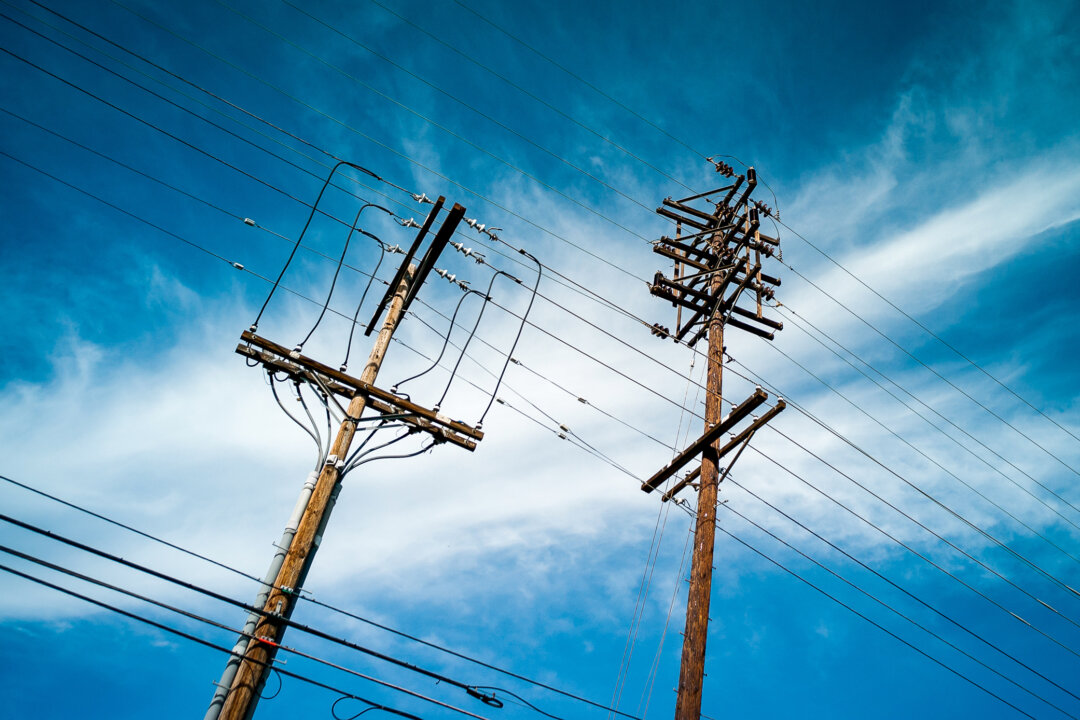 As electricity demand surges, the United States is facing a trillion-dollar race to rebuild its aging power grid. But even as utilities and policymakers pour funding into modernization efforts, a critical choke point has emerged: a years-long shortage of transformers that is slowing the upgrade process.
America’s power grid infrastructure is between 40 and 100 years old, depending on the location. Parts of the grid date back to the late 1800s. Recent estimates suggest that the United States will need $1.4 trillion by 2030 and more than $3 trillion by 2035 to modernize and expand its electrical infrastructure.
Meanwhile, only a fraction of the transmission capacity needed each year is being built. As a result, even well-funded modernization efforts are increasingly constrained by supply limitations. This is especially true for transformers, which are essential to scaling grid capacity and connecting new power sources.
On April 20, President Donald Trump designated grid infrastructure and its supply chains as essential to national defense.
Trump stated that the “aging and constrained” electrical grid poses an “increasing threat to national defense,” and that the nation’s ability to “design, produce, and deploy” infrastructure-related components such as transformers is “dangerously limited.”
The policy update aligns with the Department of Energy’s strategic priorities, which emphasize grid reliability, resilience, and supply chain security amid accelerating load growth.
The department is currently working on grid-related investments, including a $1.9 billion funding opportunity for transmission upgrades that was announced in March.
The United States already spent the highest amount in the world on grid investment in 2025, at $115 billion, according to a BloombergNEF analysis.
Yet only a small fraction of the high-voltage transmission capacity required to meet soaring electricity demand from artificial intelligence, data centers, and growing population centers is being built. The nation will need to construct roughly 5,000 miles of new high-capacity transmission per year to support “grid reliability, reduce congestion, and enable continued economic growth,” according to a 2025 Americans for a Clean Energy Grid report.
Manufacturing Bottleneck
A July 2025 ICF International analysis of U.S. electricity demand projects 25 percent growth by 2030, and 78 percent by 2050, compared with 2023.
The same consulting group stated that America’s demand spike carries “significant implications” for reliable and affordable electricity. Ratepayers could see price hikes between 15 percent and 40 percent by 2030, depending on the market, according to ICF researchers. Electricity rates could double in some areas by 2050.
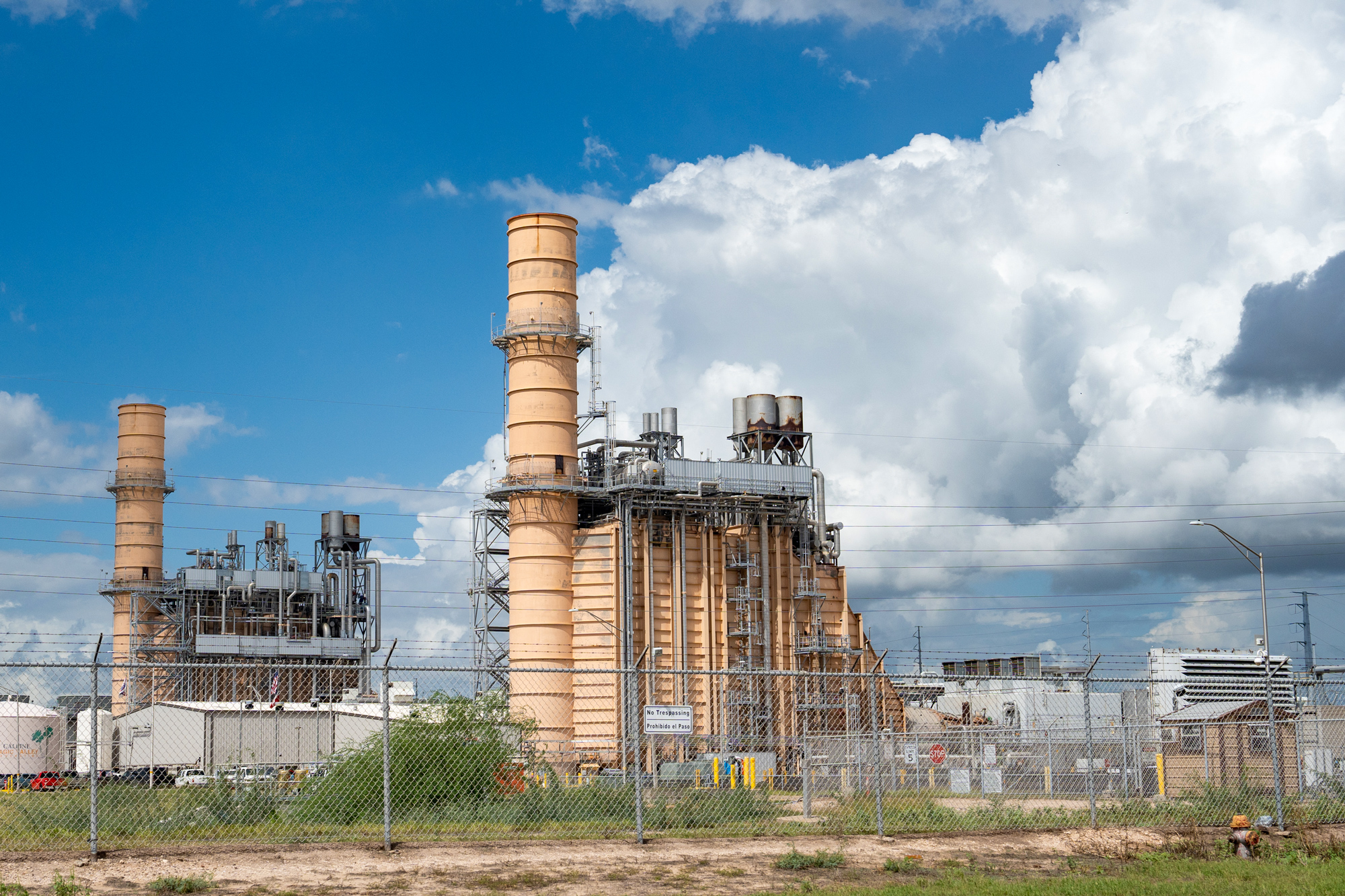
Magic Valley electricity generating station in McAllen, Texas, on Oct. 9, 2025. As rising electricity demand drives utilities and policymakers to invest in modernizing the aging power grid, a critical bottleneck has emerged: a years-long transformer shortage that is slowing upgrades. Samira Bouaou/The Epoch Times
Other researchers forecast electricity rate increases of up to 18 percent by 2035.
Meanwhile, transformer availability, a critical component that ensures reliable transmission and distribution of electricity, has been problematic for years.
During the COVID-19 pandemic, transformer manufacturing suffered extreme supply chain disruptions. As of June 2024, the National Infrastructure Advisory Council stated that the wait time for transformers was between two and four years. Pre-COVID-19 pandemic lead times were much shorter.
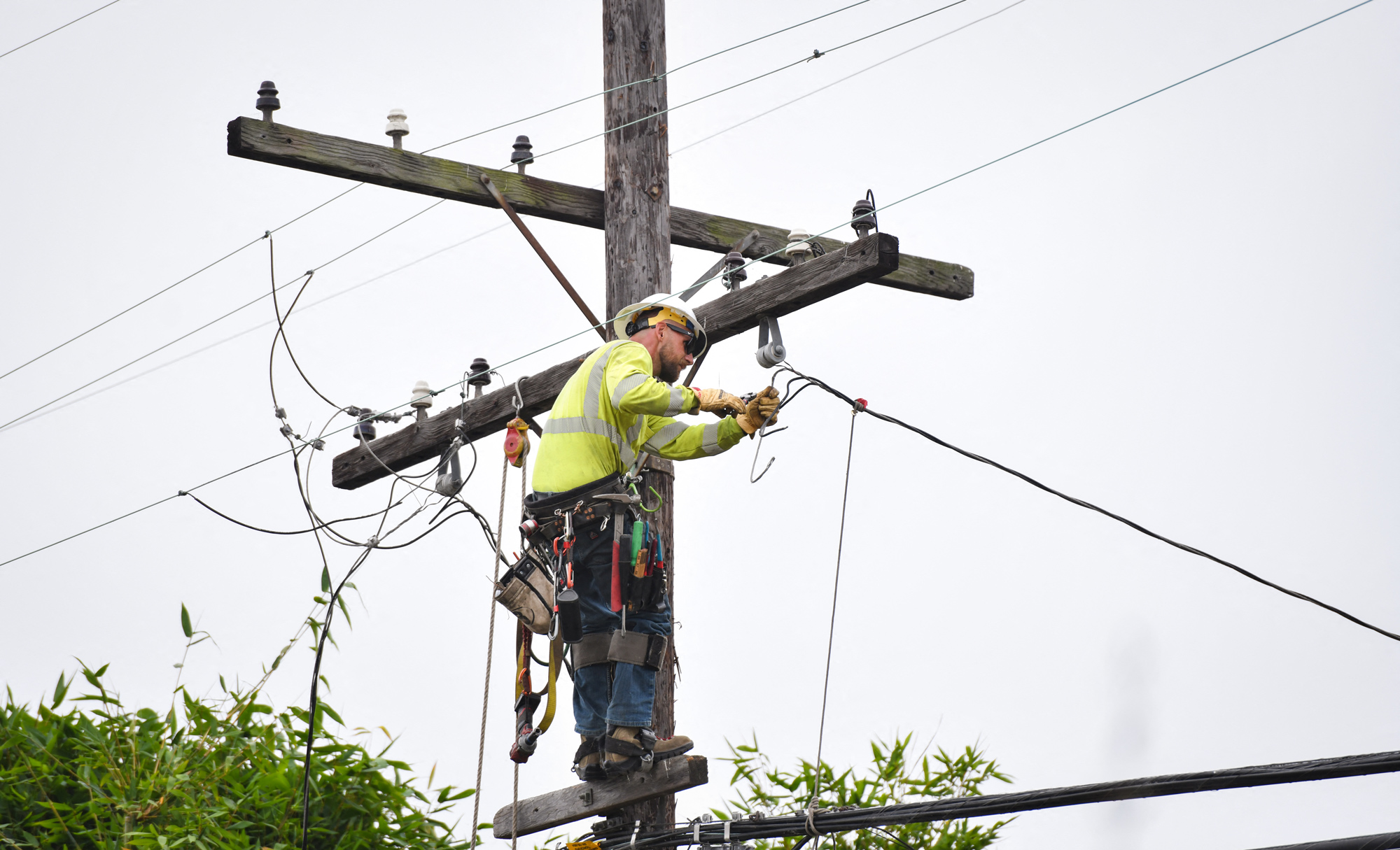
An Edison Electricity Co. technician works on restoring power to a utility pole after replacing a transformer in Culver City, Calif., on July 13, 2025. Recent estimates suggest that the United States will need $1.4 trillion by 2030 and more than $3 trillion by 2035 to modernize and expand its electrical infrastructure. Chris Delmas/AFP via Getty Images
The National Infrastructure Advisory Council report states that one large power transformer manufacturing facility in the United States reported a five-year wait time for new orders.
Then along came the AI infrastructure buildout and its subsequent electricity needs. That same year, Goldman Sachs estimated that AI would drive a 160 percent increase in power demand by 2030.
Some energy experts believe that wait times for transformers will not change anytime soon because scaling is not an overnight process.
“Getting a new factory up to speed for transmission power transformers not only requires significant investment in facilities and lead times, but also requires training of staff and skills that often [take] years to get to the acceptable standards for reliability at the transmission level,” Andrew Phillips, vice president of transmission and distribution infrastructure at the Electric Power Research Institute, told The Epoch Times.
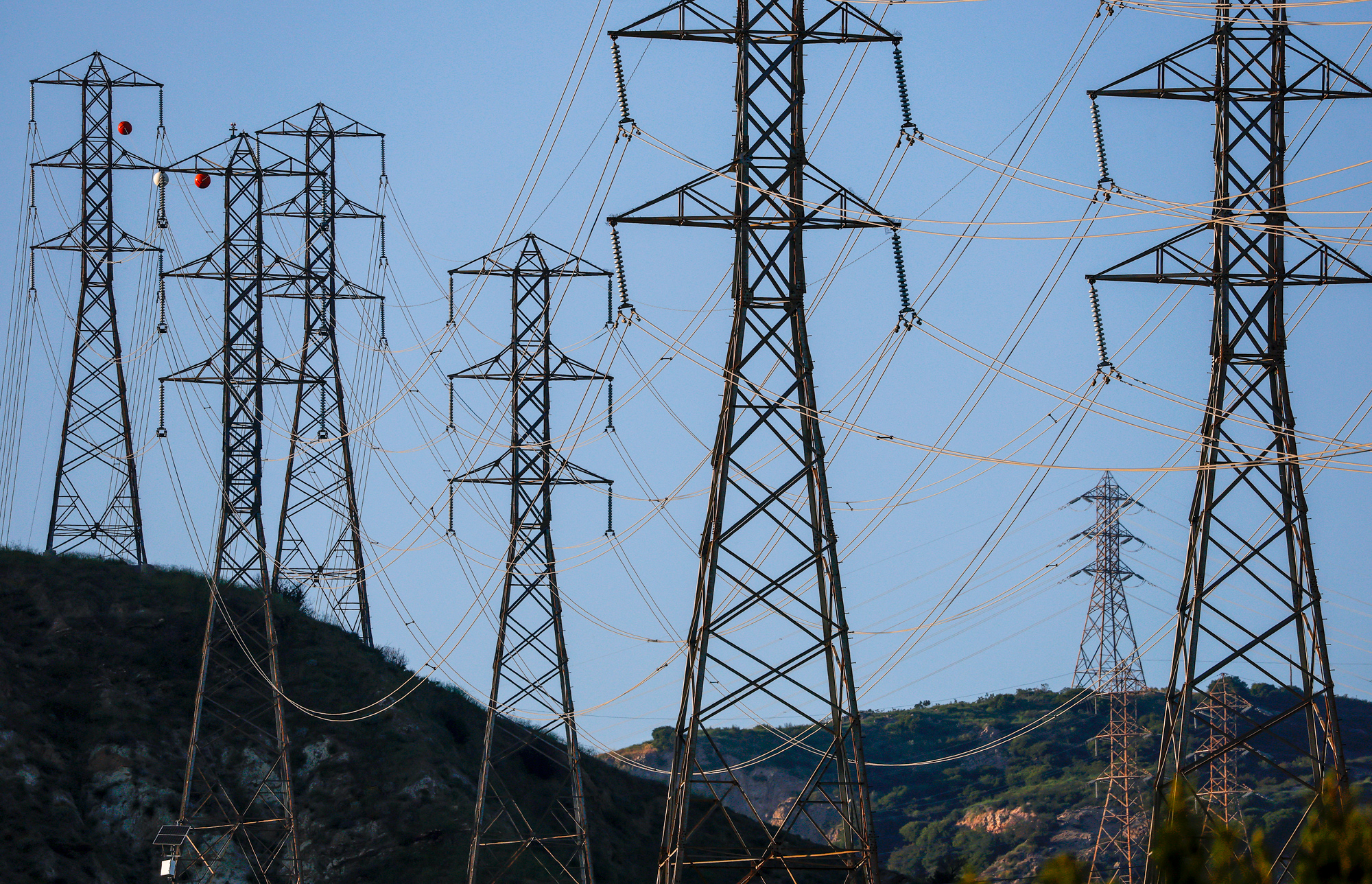
Electrical transmission towers in Sylmar, Calif., on March 24, 2026. The United States is building only a fraction of the high-voltage capacity needed to meet rising electricity demand from artificial intelligence, data centers, and growing population centers. Justin Sullivan/Getty Images
Jerry Poon, principal engineer at Red Dog Engineering, said he has also found this to be the case.
“I work on electrical system design and upgrades for commercial and multifamily projects, and transformer availability has become one of the biggest constraints on getting power online right now,” Poon told The Epoch Times.
“It’s not unusual to hear 12- [to] 18-month lead times for distribution transformers that used to be available in a fraction of that.
“In some cases, projects are ready to go except for that one piece of equipment. When that happens, everything downstream stalls—energization, inspections, tenant occupancy, all of it.”
Vulnerable System
Poon said that from a reliability standpoint, he believes that the concern is less about the grid failing outright and more about how little “buffer” there is.
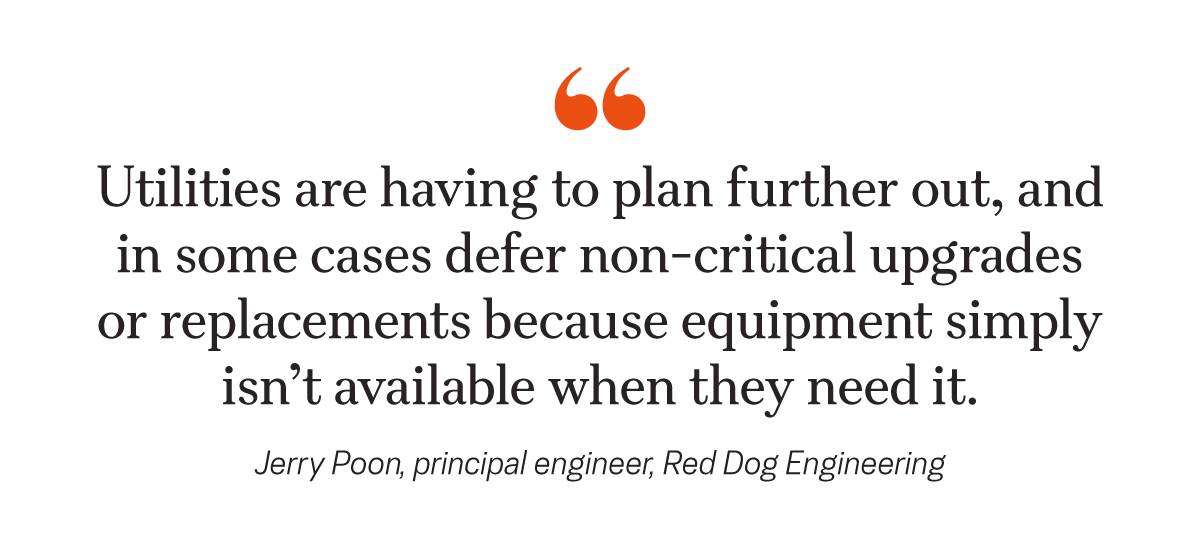
“Utilities are having to plan further out, and in some cases defer noncritical upgrades or replacements because equipment simply isn’t available when they need it,” he said. “That’s manageable for a while, but it becomes a problem if multiple issues stack up at the same time.
“The practical impact is that everyone is building more lead time into planning. Developers, engineers, and utilities are all trying to lock in equipment earlier, sometimes before designs are even fully finalized. It’s not ideal, but it’s become the reality.”
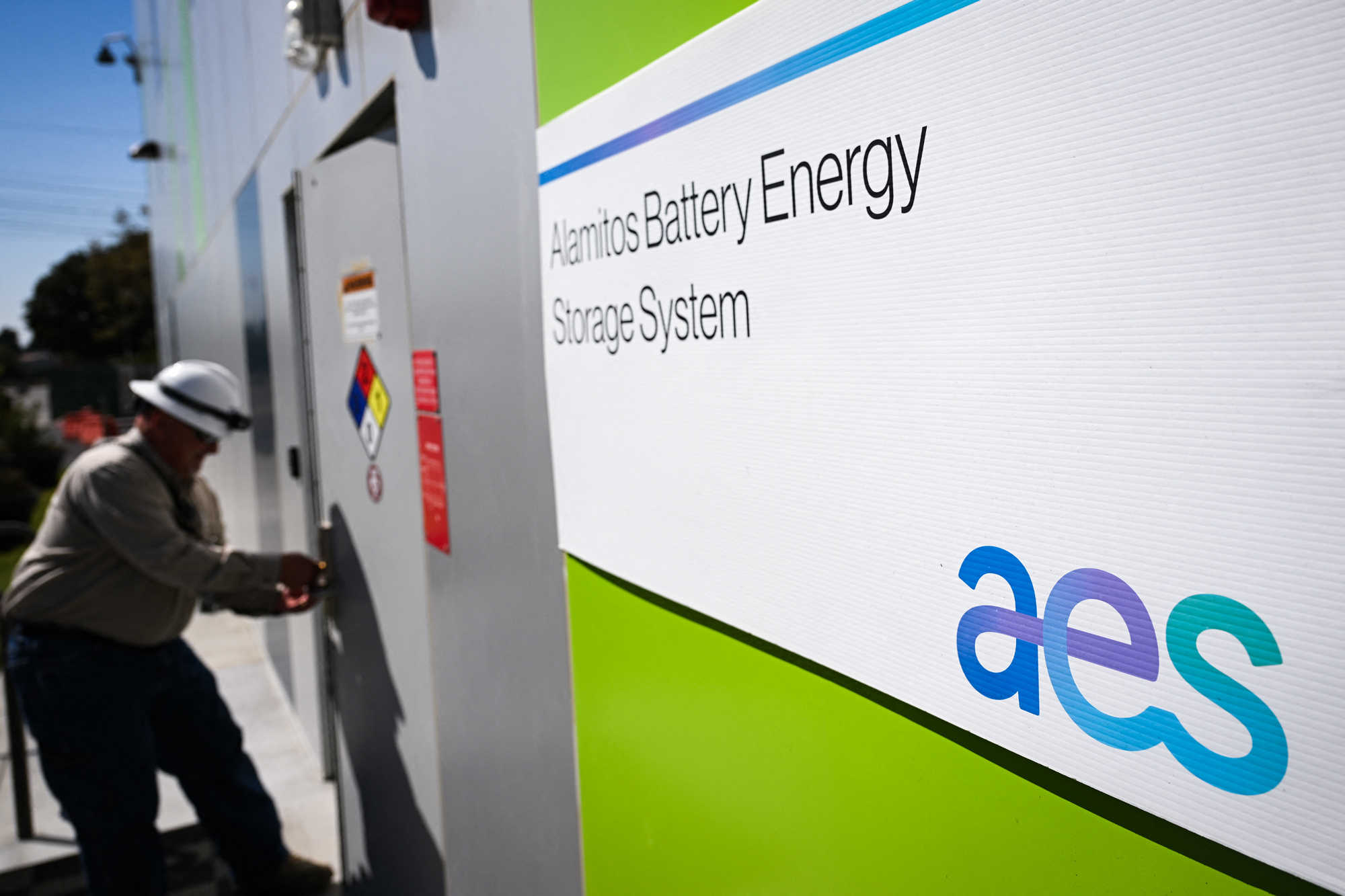
The AES logo is displayed outside a building containing the AES Alamitos Battery Energy Storage System, which provides stored renewable energy to supply electricity during peak demand periods, in Long Beach, Calif., on Sept. 16, 2022. Patrick T. Fallon/AFP via Getty Images
Even a single transformer malfunction can cut power to thousands of people. This can happen during events such as extreme weather or fires. The scope of the problem becomes clear when considering that nearly 70 percent of power transformers are more than 25 years old and “vulnerable to failure,” according to University of Wisconsin–Madison researchers.
Phillips said “the transformer fleet is aging,” with the average age of transformers greater than 35 years. This compounds the challenges of lack of supply.
That said, Phillips noted that new monitoring technologies and a better understanding of degradation have enabled the industry to extend the life of many assets.
“Extension of life of the existing fleet is a good first step,” he said. “Implementing advanced analytics, advanced monitoring, on-line oil dehydration, and using novel fluids are all relevant emerging technologies that are showing success.
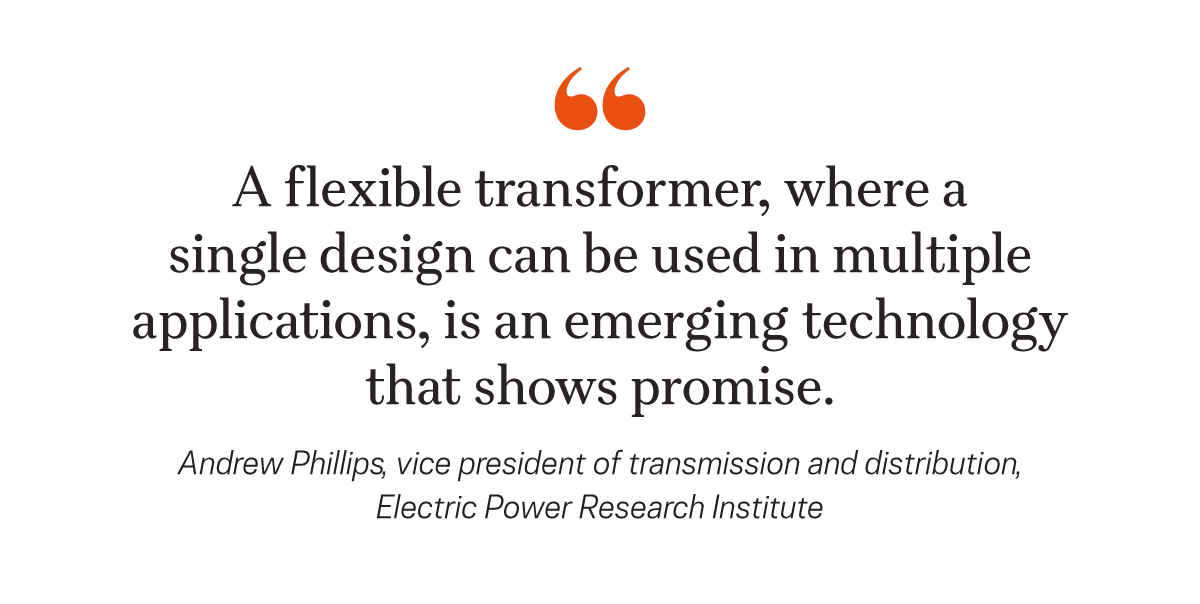
“Most transformers are bespoke to their application, which slows down the speed of manufacturing due to their custom nature. A flexible transformer, where a single design can be used in multiple applications, is an emerging technology that shows promise.”
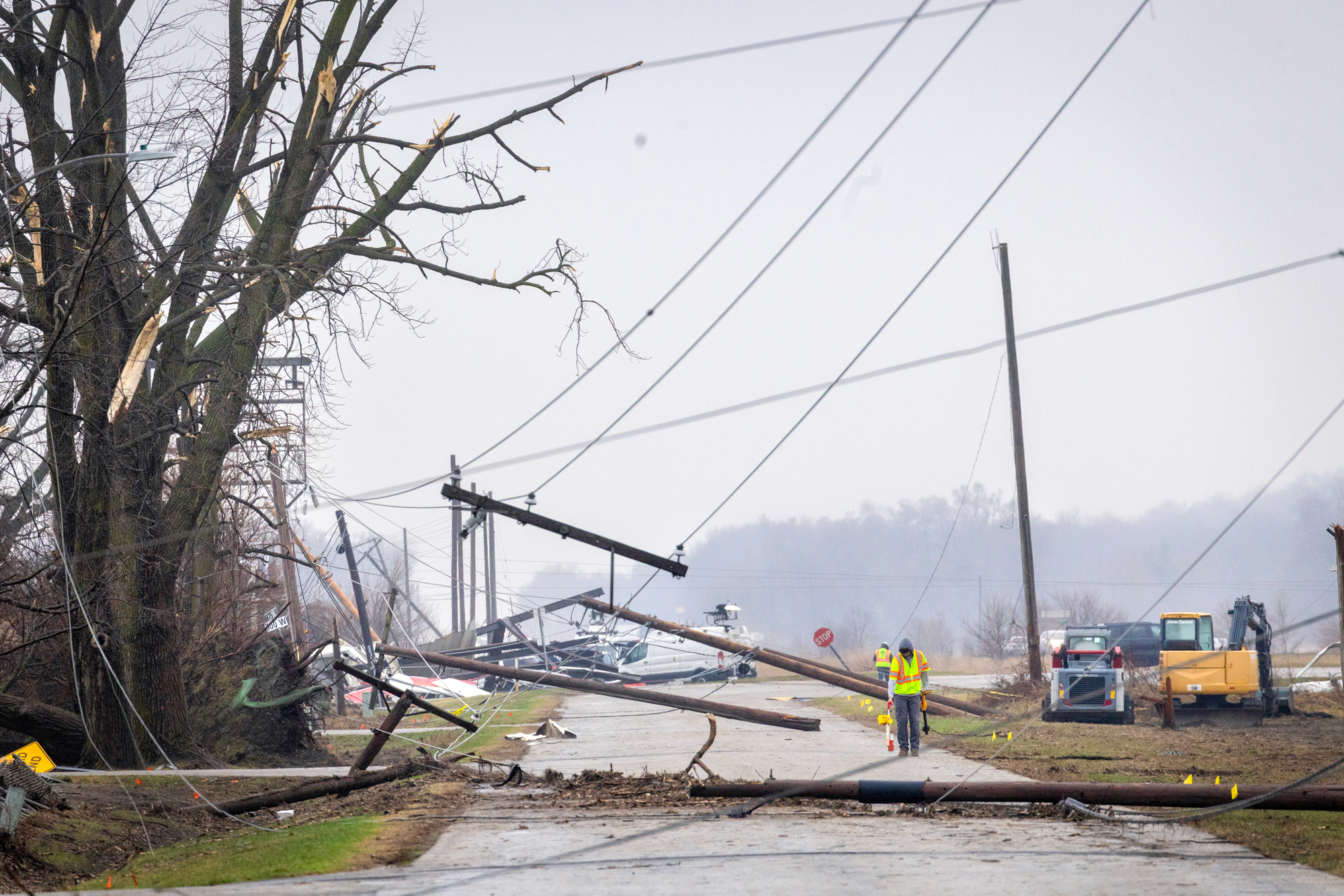
Power lines are draped across the road after a tornado passed through the small town of Lake Village, Ind., on March 11, 2026. During events such as extreme weather or fires, even a single transformer malfunction can cut power to thousands of people. Scott Olson/Getty Images
A representative for the Federal Energy Regulatory Commission told The Epoch Times that it is working with the Department of Energy and other federal and industry partners to better understand the current risks facing the power system.
The Federal Energy Regulatory Commission representative also pointed to industry-led voluntary programs intended to help improve transformer availability. Some examples include the Edison Electric Institute’s Spare Transformer Equipment Program, which allows participating utilities to pool spare transformers for sharing during certain declared emergencies or transformer loss events.
There is also the North American Transmission Forum’s Regional Equipment Sharing for Transmission Outage Restoration Program, which allows transmission owners to sell available spare equipment to each other in emergencies, including situations in which manufacturers cannot provide replacements in a timely fashion.
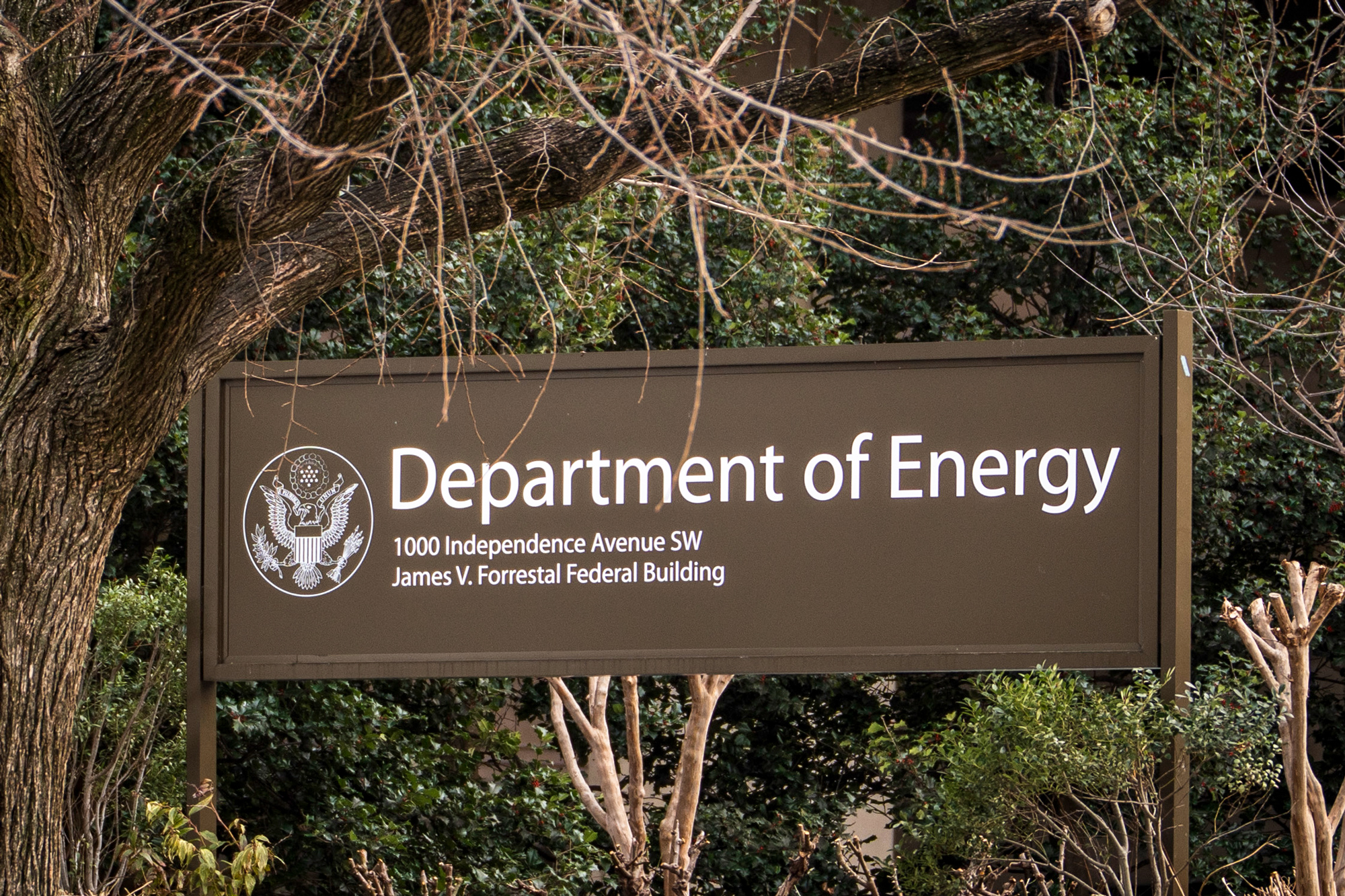
The Department of Energy in Washington on Feb. 17, 2026. On March 12, the department announced a $1.9 billion investment in “urgently needed upgrades.” Madalina Kilroy/The Epoch Times
Dani Marx, a spokesperson for the Edison Electric Institute, told The Epoch Times that electric companies are focused on strengthening grid resilience and finding solutions to the supply chain challenges.
“America’s electric companies are working closely with the government and manufacturers to expand domestic production of these key components,” Marx said. “We’ve seen supply improve for distribution transformers, and work continues to expand manufacturing for the large power transformers, which continue to have long lead times.”
On March 12, the Department of Energy announced a $1.9 billion investment in “urgently needed upgrades.”