
After months of lobbying the Trump administration for clearance to purchase Chinese memory chips, Apple appears to be nearing the point where it can tap China’s domestic chip market. The push follows what the iPhone maker has described as “unsustainable” pricing from the memory “cartel,” namely SK Hynix, Samsung, Micron, and SanDisk, whose production has been soaked up by unprecedented demand from hyperscalers.
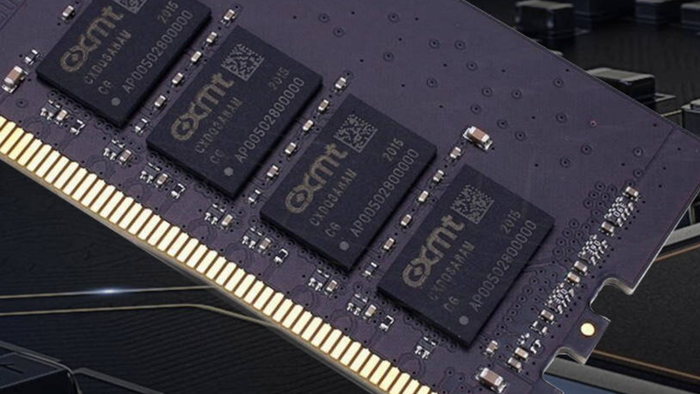
The Wall Street Journal reported Sunday morning that Apple is closer than ever to using memory chips from CXMT, a Chinese company that the Pentagon has put on a blacklist because of alleged connections to the People’s Liberation Army.
Apple is currently testing CXMT memory chips across its product portfolio, including iPhones and MacBooks, according to the report.
The report continued:
Apple has held early talks with CXMT about supplying components with the goal of using them in some devices sold in China, the people said. Apple hopes to win the White House’s blessing to do business with the Chinese company.
Apple is raising prices on its products globally, blaming the rising cost of memory chips because of high demand from AI companies. Getting access to Chinese supplies could help the iPhone maker ease its crunch.
As we’ve covered, the iPhone maker has been waging a lobbying campaign to secure the White House’s blessing in order to ease the financial pressure from soaring memory chip prices. A recent FT report said that Apple approached the Commerce Department earlier this summer about procuring Chinese memory chips.
Apple is not barred from buying chips from China’s DDR giant CXMT or from YMTC, another Chinese memory chipmaker that focuses on NAND memory. YMTC has been aggressively growing its market share, has caught up with SanDisk, and is set to become the world’s third-largest maker of flash memory as soon as this quarter.
However, US rules prevent Apple from ordering customized chips from CXMT but permit it to purchase off-the-shelf components and negotiate prices.
The WSJ noted that other device companies are seeking CXMT supplies:
Laptop makers HP and Acer have started using memory chips from CXMT in devices sold outside the U.S. to alleviate some of the memory supply strain, people familiar with the matter said.
We expanded on this last week:
Any agreement Apple inks with CXMT would risk immediate political resistance in Washington, where policymakers fear U.S. orders could strengthen CXMT. Its chip tech trails that of Samsung Electronics, SK Hynix, and Micron, while its production capacity is largely committed for this year.
However, CXMT is rapidly gaining ground. Its second-quarter revenue increased more than eightfold from the same quarter one year ago, lifting its global DRAM market share to 7%. CXMT completed a successful IPO last month (read note).