
The 2026 Atlantic hurricane season has yet to produce its first hurricane, putting the Atlantic Basin within reach of its latest start on record. There’s a big reason for this: The intensifying El Niño is largely responsible for the strong wind shear that disrupts tropical system development.
Four named tropical storms have formed through late August, including Tropical Storm Dolly, but none has strengthened into a hurricane during the season’s first three months as peak hurricane season nears, around Sept. 10.
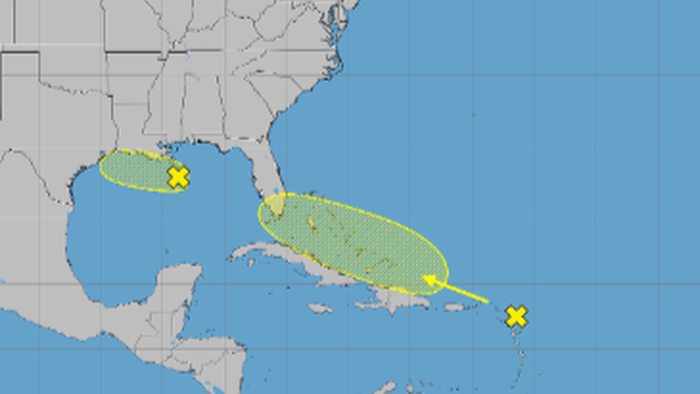
Focusing on Tropical Storm Dolly, the National Hurricane Center’s latest update early Sunday shows that the storm is now a strong tropical wave and is set to produce showers and thunderstorms across Puerto Rico, the Virgin Islands, and the northern Leeward Islands.
“The remnants of Dolly could bring heavy rains and gusty winds to portions of the Leeward Islands, the Virgin Islands, and Puerto Rico over the next couple of days,” the NHC wrote in an update earlier today. An accompanying cone of uncertainty map shows that the storm may track toward South Florida.
2 am Aug 30: There are two systems with a low chance of development. Interests along the LA and Upper TX coasts should monitor the Gulf system #97L. The remnants of Dolly could bring heavy rains and gusty winds to portions of the Leeward Islands, the Virgin Islands, and Puerto… pic.twitter.com/SGswhnrE1Y
— National Hurricane Center (@NHC_Atlantic) August 30, 2026
Latest from Polymarket: What will be the name of the first hurricane in the Atlantic during the 2026 hurricane season?

A second area of low pressure was located about 125 miles south of southeastern Louisiana. Its thunderstorms have become more concentrated since Saturday, but surface observations showed that the system had not yet strengthened. Gradual development remains possible as it drifts toward the Louisiana and upper Texas coasts during the next several days.