
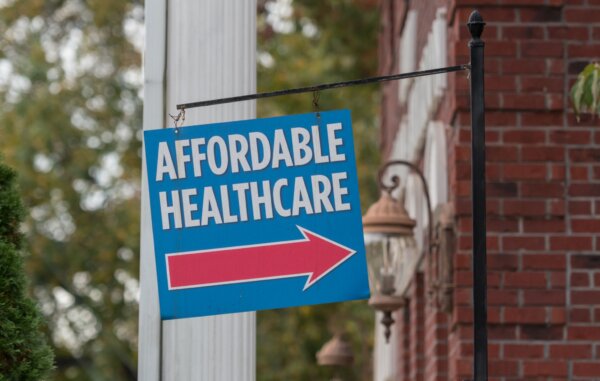
 Since the enactment of the Affordable Care Act (ACA), health insurance premiums have steadily increased, as has healthcare’s proportion of the gross domestic product (GDP). In employer-sponsored insurance, escalating premiums are the primary driver for stagnant take-home wages.
The structure of the Affordable Care Act (ACA) and employer-sponsored insurance conceal the true cost of healthcare. The recent government shutdown exposed this underlying flaw to public scrutiny.
Unraveling the Mechanics of ACA Premium Subsidies
The ACA in 2010 established premium tax credits (PTCs) to enhance the affordability of health insurance through Marketplace exchanges. These refundable credits, authorized under IRC Section 36B, reduce premiums for households with modified adjusted gross income (MAGI) at or above 100 percent of the federal poverty level ($15,650 for an individual in 2025). In 2021, enhancements increased credit amounts for existing eligible participants and extended eligibility to those exceeding 400 percent of the federal poverty level. The 2023 resolution of the “family glitch” enables dependents to access PTCs when family coverage is deemed unaffordable.
The Hidden Challenge With Employer-Based Coverage
A Kaiser Family Foundation survey revealed that the average premium for employer-sponsored family coverage increased by 26 percent from 2020 to 2025. In 2024, the average annual cost for single coverage was $8,951, with employees typically contributing $1,368, while family coverage averaged $25,572, with employees paying $6,296.
Conversely, insurance companies are thriving.
The Core Economic Problem
Imagine a pizza system mirroring healthcare. Employers subsidize 80 percent of a Supreme Pizza plan for employees, lowering the visible cost per slice to $2, though the true price is $10. Uninformed consumers add extravagant toppings—pineapple, anchovies, glitter sprinkles—perceiving them as nearly free. With numerous pizza varieties available, consumption surges. Moral hazard drives daily orders, even for breakfast pizza, escalating demand. Pizzerias, aware of this price ignorance, promote lavish new combinations. An ACA-style “PizzaCare” program caps costs at a fraction of income, encouraging excessive consumption without consideration. Prices skyrocket, benefiting pizza companies. Government subsidies intensify this distortion, further inflating costs. Employees relish their pizza; it becomes part of their daily or weekly routine. They are unaware of its true cost, but may notice and object if their pizza price component rises from $2 to $2.50 or $3.
Hayek’s Warnings and the Dependency Trap
Notably, Marketplace enrollment doubled from 11 million to 24 million following the introduction of enhanced premium tax credits in 2021.
This is Hayek’s cautionary narrative.
The critical issue lies in the vulnerability of ordinary individuals, distracted by whether Notre Dame will secure a College Football Playoff berth, the Islanders will win the Stanley Cup, or their seven-year-old will score in Saturday’s soccer game. These individuals face significant financial strain, having grown reliant on subsidies to afford healthcare. The broader healthcare system similarly depends on government support, embodying Hayek’s warning of diminishing personal autonomy and deepening entanglement with state intervention.
Should the enhanced subsidies, originally temporary, expire as planned in 2025, the resulting premium surge reveals the trap: dependence on state generosity. As Hayek cautioned, this reliance, cloaked in equity and justice, erodes freedom, empowering a bureaucracy to dictate government-directed winners and losers.
Once entrenched, dismantling programs initially deemed temporary becomes politically toxic. Individuals adapt to a subsidized reality, viewing affordable premiums as essential, mirroring Hayek’s portrayal of populations bound to state largesse. The ACA’s framework, with 24.2 million enrollees dependent on credits, fosters a cycle of deepening reliance. Any rollback, such as the looming 2025 expiration, risks economic disruption, entrenching a system where insurers profit from inflated costs while patients, shielded from true price signals, remain tethered to subsidies.
This validates Hayek’s thesis: centralized interventions breed dependency, eroding choice and fueling a gradual descent into serfdom.