
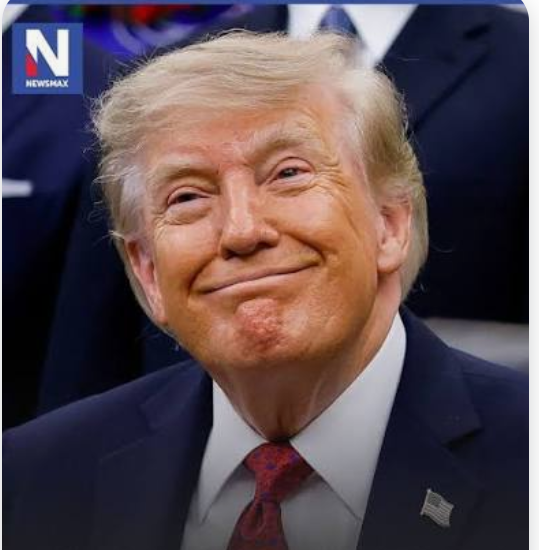
The Trump administration plans to announce that all 50 states will have access to most-favored-nation pricing for certain drugs through Medicaid, Semafor reported Friday.
President Donald Trump is expected to highlight the initiative at the White House alongside the governors of South Dakota, Mississippi, and Arkansas as his administration focuses on prescription drug costs ahead of the November midterms.
The White House Council of Economic Advisers estimates that the effort will generate $27.6 billion in net savings for state governments and $36.6 billion in federal savings over 10 years, according to Semafor.
The administration argues that tying prices for certain Medicaid drugs to those paid in other countries can reduce government spending while expanding access.
“This is a clear cut example of how you can save money in the Medicaid program in a way that strengthens the program as a whole,” a White House official told Semafor. “By getting lower drug prices, more people will have access.”
Reuters reported that the administration was preparing the announcement but said it had not independently verified Semafor’s report.
The White House and the Department of Health and Human Services had not immediately responded to Reuters’ requests for comment.
The effort builds on the administration’s GENEROUS — GENErating cost Reductions fOr U.S. Medicaid — Model, which uses supplemental rebates from participating pharmaceutical manufacturers to align Medicaid net prices for certain drugs with prices in selected foreign countries.
Centers for Medicare & Medicaid Services says all states and U.S. territories that participate in the Medicaid Drug Rebate Program are eligible for GENEROUS.
The model is voluntary and allows states to decide which eligible drugs they want priced through it.
Trump has made most-favored-nation pricing a central part of his effort to narrow the longstanding gap between prescription drug prices in the United States and those in other developed countries.
The administration announced another round of agreements Aug. 31 with nine midsize biotechnology and pharmaceutical companies, including Teva Pharmaceuticals, Astellas Pharma, and UCB.
Those agreements followed earlier deals with major manufacturers.
Questions remain about how much the initiative ultimately will save.
Medicaid already receives substantial statutory rebates from manufacturers, and states can negotiate additional rebates.
CMS reported that Medicaid prescription drug spending totaled more than $100 billion before rebates in 2024 but about $60 billion after rebates.
The GENEROUS model nevertheless seeks additional savings by using international prices as benchmarks for supplemental rebates.
CMS says participating manufacturers will report international net prices, with states billing them quarterly for supplemental rebates designed to bring eligible drugs down to the agreed international price.