
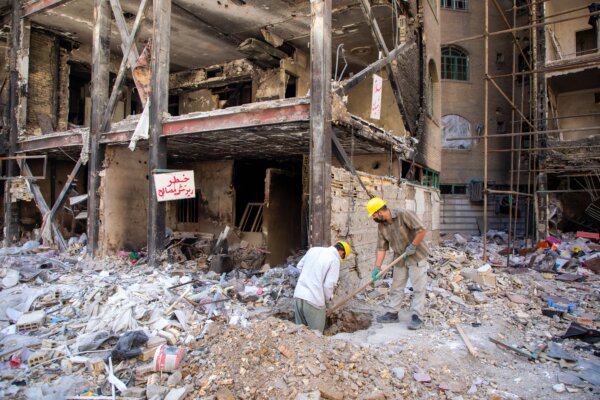
 U.S. President Donald Trump said on April 15 that he believes the war in Iran is “close to over,” despite recent U.S.–Iran peace talks in Pakistan ending without an agreement.
“I think it’s close to over. I mean, I view it as very close to over,” Trump said in an interview with Fox News host Maria Bartiromo that aired April 15.
Trump said that Tehran would take decades to rebuild its country after the damage caused by the war, and that he believes the Iranian regime wants to make a deal with the United States. The temporary ceasefire is set to expire next week.
“You know what, if I pulled up stakes right now, it would take them 20 years to rebuild their country, and we’re not finished,” he said. “We’ll see what happens. I think they want to make a deal very badly.”
“Whether we have further conversations, whether we ultimately get to a deal, I really think the ball is in the Iranian court, because we put a lot on the table,” he said.

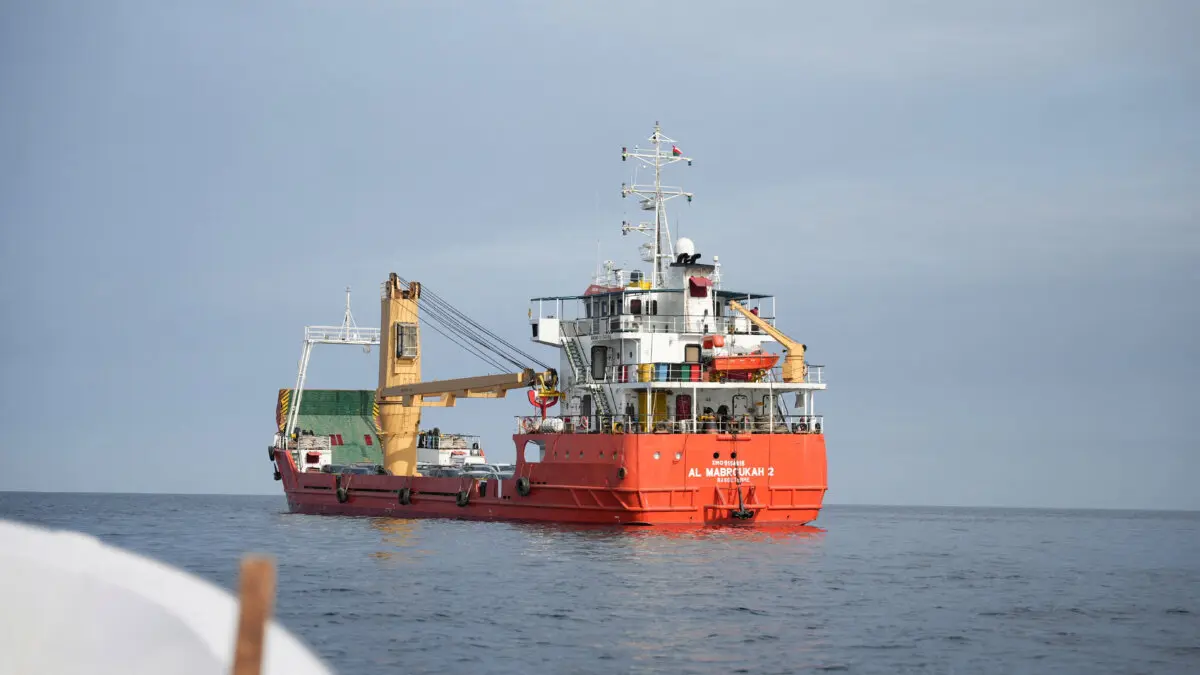
After U.S.–Iran talks in Islamabad collapsed, the United States imposed a naval blockade on Iranian ports, which took effect on April 13.
U.S. Central Command said on April 14 that “no ships made it past the U.S. blockade” in its first 24 hours, while six merchant vessels turned back and reentered an Iranian port on the Gulf of Oman after being directed by U.S. forces.
Central Command stated that U.S. forces won’t interfere with freedom of navigation in the Strait of Hormuz as long as vessels are not traveling to or from Iranian ports.
“The blockade is being enforced impartially against vessels of all nations entering or departing Iranian ports and coastal areas, including all Iranian ports on the Arabian Gulf and Gulf of Oman,” it said.
Shipping through the Strait of Hormuz, a critical waterway for global oil and gas shipments, has been disrupted since the United States and Israel began military operations against Iran at the end of February, and Tehran retaliated with drone and missile attacks on Israeli and U.S. military assets across Gulf nations and laid sea mines in the strait