
Authored by Ross Pomeroy via RealClearScience,
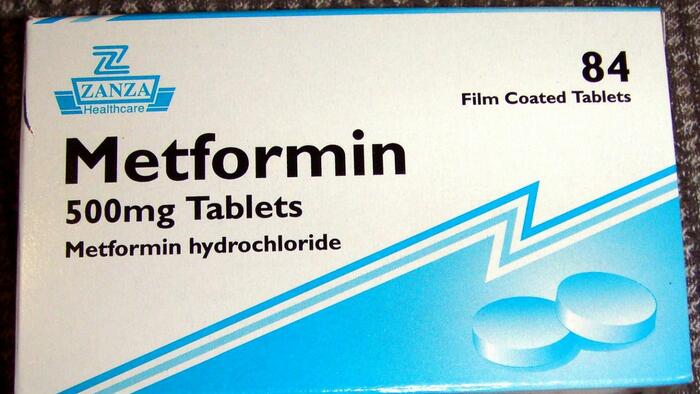
For years, scientists have hypothesized that safe, cheap, generic drugs like metformin and rapamycin could slow aging, based on promising findings in animal models. But despite the evidenced hope, little has been done to see if these drugs actually slow aging in humans. There have been no rigorous clinical trials exploring whether metformin or rapamycin prolong life and and boost health.
How is it possible that metformin and rapamycin, long used to respectively treat diabetes and prevent organ transplant rejection, have had their anti-aging potential ignored for so long? To conspiracy-minded critics of ‘Big Pharma’, the answer is obvious: there’s no money in it. In this case, they seem to be correct. Speaking at the 12th Aging Research and Drug Discovery (ARDD) meeting convened at the University of Copenhagen last summer, industry leaders conceded the point.
“Repurposing cheap, off-patent drugs like metformin fails mathematically. Phase 3 clinical trials cost hundreds of millions of dollars. Companies cannot recover this money without a patent monopoly. Therefore, the industry tests new, patented drugs for specific diseases.”
Rapamycin costs between $40 and $150 per month out of pocket. Metformin is even cheaper, between $4 and $20 per month. To pharmaceutical companies, this meager revenue simply doesn’t justify an expensive clinical trial to treat a nebulous medical condition like “aging,” which insurers don’t even consider reimbursable. To put it bluntly, treating aging with generic drugs may be economical and worthwhile for humans and society as a whole, but it isn’t commercially viable for pharmaceutical companies.
The industry leaders speaking at ARDD explained a strategy that makes more financial sense.
“Industry tests new, patented drugs for specific diseases. During these trials, researchers simultaneously measure aging biomarkers like epigenetic clocks. This secondary strategy generates the hard numbers of regulators demand. The goal is to force regulators to classify aging as a reimbursable medical condition. This mirrors how objective data transformed obesity from a lifestyle choice into a treated disease.”
So it’s possible that what recently happened with obesity and GLP-1s will one day happen with aging.
In the meantime, independent institutions are trying to launch efforts to explore metformin and rapamycin’s anti-aging potential in humans. The American Federation for Aging Research has – for a decade now – sought “visionary donors” to begin their Targeting Aging with Metformin (TAME) Trial, a six-year study testing whether metformin can delay development or progression of age-related chronic diseases in 3,000 adults aged 65-79. Earlier this year, scientists at The University of Texas at San Antonio secured funding from the National Institute on Aging to carry out a including a “randomized, placebo-controlled clinical trial involving approximately 84 older adults who will receive either daily rapamycin, intermittent dosing or a placebo” for six months, while monitoring the treatment’s effects.