
OAN Staff Katherine Mosack
11:25 AM – Wednesday, March 11, 2026
In a historic bid to stabilize global energy markets, the International Energy Agency (IEA) announced on Wednesday that its 32 member countries, including the U.S., will release 400 million barrels of oil from emergency reserves.
This emergency action is a direct response to the massive supply shock triggered by the ongoing conflict in Iran, which has seen export volumes through the vital Strait of Hormuz plummet to less than 10% of their normal levels.
This release represents the largest coordinated drawdown in the agency’s 50-year history.
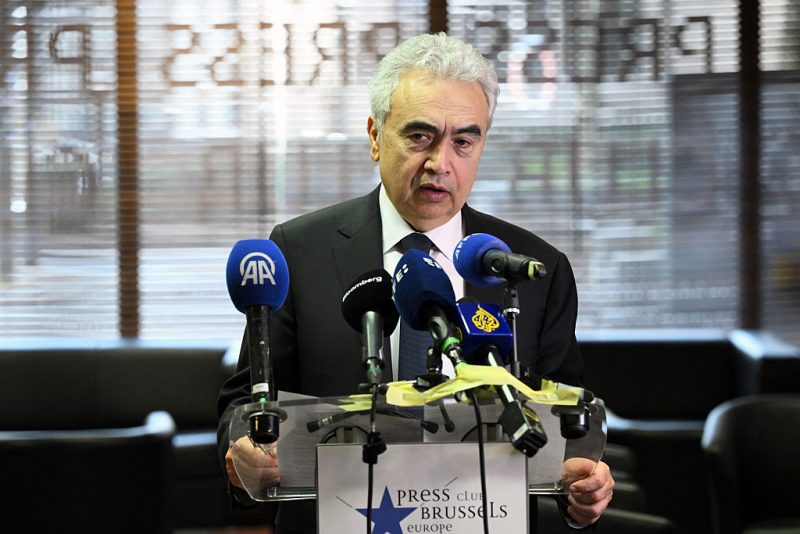
It more than doubles the previous record of 182 million barrels released in 2022. IEA Executive Director Fatih Birol emphasized that the “unprecedented scale” of the current market disruption required an equally unprecedented global response to protect energy security.
“Without sufficient routes to market and with no more available storage, Middle East oil producers have started to reduce production,” Birol stated. “And we have seen further attacks and damage to energy and energy-related infrastructure. Refinery operations have also been disrupted, with major implications for jet fuel and diesel supplies in particular.”
IEA member countries currently maintain a strategic buffer of over 1.2 billion barrels in public emergency stocks, supplemented by 600 million barrels of industry-held reserves.
Since the launch of the U.S.-Israeli military campaign — Operation Epic Fury — on February 28th, Iranian forces have intensified attacks on commercial shipping across the Persian Gulf. These hostilities have paralyzed traffic through the Strait of Hormuz, a critical chokepoint responsible for transporting roughly one-fifth of the world’s daily oil supply.
“The conflict in the Middle East that began on 28 February 2026 has impeded oil flows through the Strait of Hormuz, with export volumes of crude and refined products currently at less than 10% of pre-conflict levels. This is forcing operators across the region to shut in or curtail a substantial amount of production,” the agency reported in a Wednesday press release.
The IEA stated that an average of 20 million barrels per day of oil products, or around 25% of the world’s seaborne oil trade, is carried through this narrow route. The IEA also confirmed that it will soon provide specific implementation details to help stabilize the volatile global oil and gas markets.
Furthermore, Austria, Germany, and the United Kingdom (UK) joined the effort on Wednesday by announcing the release of their oil reserves as well, with Japan set to follow suit starting Monday.
Stay informed! Receive breaking news alerts directly to your inbox for free. Subscribe here. https://www.oann.com/alerts
What do YOU think? Click here to jump to the comments!
Sponsored Content Below