
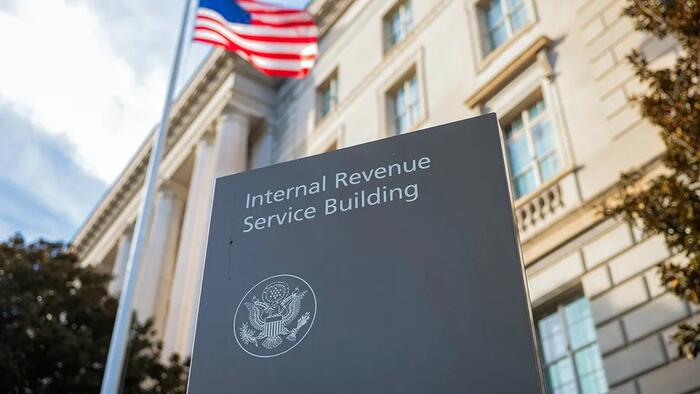
Crypto bros and those of you with ‘creative’ accountants, heads up – the IRS is beefing up its ability to flag accounts for audits. Not only is this the first year that major US-based custodial crypto brokers are reporting gross proceeds to the agency, the IRS is getting aggressive elsewhere. Last year they paid Palantir $1.8 million to identify cases for audits, collections, and potential criminal investigations with a high probability of success. The contract was the latest in over $200 million the IRS has paid Palantir since 2014.
According to documents obtained by WIRED, the new tool – called the Selection and Analytic Platform (SNAP) – is designed to help IRS staff analyze unstructured data from the agency’s existing internal databases. The goal is to more efficiently identify “high-value” targets amid the IRS’s fragmented legacy systems, which include over 100 business systems and 700 case-selection methods built up over decades.
The pilot is currently focused on areas like Residential Clean Energy Credits, disaster-zone tax relief claims, and gift tax returns. It also helps extract key details from supporting documents, such as contracts, vendors, and related records, to flag potential fraud or underreporting more efficiently. Importantly, SNAP works only with the IRS’s existing internal data – it doesn’t (yet) pull in fresh external feeds like social media or third-party apps.
Those who may get SNAPped up for an audit include;
- People or businesses with big clean energy credit claims (especially if documentation is weak, inflated, or mismatched with other IRS records)
- Individuals who filed disaster relief deductions/credits that appear suspicious
- High-net-worth individuals making large gifts that may trigger gift tax issues
In broader terms, anyone whose filings show high potential recovery value (big underreported income, large credits/deductions, or patterns the IRS flags as risky) could be surfaced faster once SNAP is fully operational. The tool aims to replace inefficient, fragmented manual processes with smarter, data-driven selection.
So why should crypto holders care?
Wired casually mentions that the IRS has experimented in the past with “contracting with companies like Coinbase to analyze information about crypto transactions” as one of several methods to improve audit targeting.
And look at this; they’re looking at mining social media posts.
Neuman has studied other methods the IRS has experimented with to improve its case selection process, including contracting with companies like Coinbase to analyze information about crypto transactions, and mining public social media posts for clues that an individual or business may be underreporting their income.
Meanwhile, Gemini, Kraken, Binance, Coinbase, Robinhood, Crypto.com, PayPal, and Cash App are all reporting 2025 gross proceeds to the IRS starting this year via 1099-DA.
And while this isn’t tied to this Palantir/SNAP project – the broader picture is clear: the IRS is aggressively upgrading its ability to spot underreporting and fraud. Crypto remains a high-priority area for the agency. Between the new 1099-DA reporting forms that Coinbase and other platforms are already sending to the IRS, ongoing blockchain analytics tools, and now a deeper partnership with Palantir’s data-crunching tech, the net is getting tighter and more sophisticated.
Bottom line for crypto users:
- Accurate record-keeping and proper tax reporting have never been more important.
- “It’s on-chain so they’ll never find it” is not a strategy anymore.
- The IRS is investing serious money in tools designed to surface the biggest potential recoveries — and crypto has long been on their radar.
In other words, get your house in order. If you’ve been sloppy with cost basis, mixing personal and business wallets, or treating crypto like the Wild West, the combination of better data analytics and old-fashioned enforcement could make for a very expensive wake-up call.