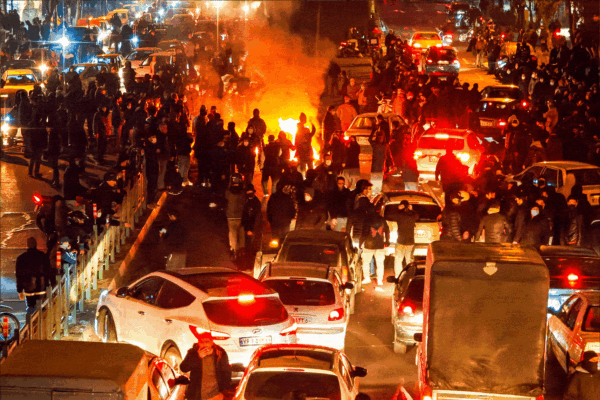
 Nights in Tehran, Iran, are increasingly violent, an Iranian woman who recently left Iran told
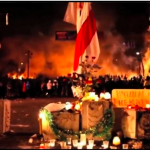
She said security forces often move through crowds on motorcycles, firing indiscriminately. She said in the mornings she saw bodies in public areas and blood on the streets.
The streets, which fill with crowds each day by late afternoon, resemble “front lines,” and the sound of gunfire filters into people’s homes, she said. The woman, who asked not to be identified for safety reasons, said she had traveled to Tehran to visit family shortly before the protests began. She left the country on Jan. 12 to return to the Netherlands.
The current protests are far larger and more intense than previous unrest, she said, including the unrest following the 2022 death of Mahsa Amini. Amini was a Kurdish Iranian woman whose arrest and subsequent death sparked protests across the globe.
The mood in Tehran is quiet and heavy, she said, with people looking exhausted and sad.
As protests in Iran against the regime stretched beyond two weeks, U.S. President Donald Trump issued his strongest and most direct message yet in support of protesters, urging them to “take over [their] institutions” and “save the names of the killers and abusers.”
He wrote in all caps, “Help is on the way.”
Iran’s protests have spread across the country as residents face a sixth consecutive day of a near-total internet shutdown.
Government agents in some areas are going door to door and removing satellite dishes from homes, according to reports by the Associated Press. Satellite television is widely used in Iran, and many families rely on it to access foreign news not available through state-controlled media. These actions, combined with the internet blackout, have made it increasingly difficult for people inside the country to communicate or share information.
According to the outlet, the deaths resulted from a coordinated operation carried out primarily by Islamic Revolutionary Guard Corps and Basij forces, not from spontaneous clashes. Sources indicate that the operation was conducted under direct orders from Iranian leader Ali Khamenei, with the approval of Iran’s top governing bodies, Iran International reported. Many of the victims were younger than 30.


An Iranian official confirmed to Reuters on Jan. 13 that at least 2,000 people have been killed, blaming “terrorists.”
Even by conservative estimates, the death toll from the current protests is the highest from any round of unrest in Iran in decades.
“The European Union has already listed the Islamic Revolutionary Guard Corps in its entirety under its human rights sanctions regime,” Von der Leyen said.
Meanwhile, Iranian President Masoud Pezeshkian blamed the deadly violence on what he described as terrorists and rioters, and organized a pro-government rally on Jan. 12. He claimed that the killings were carried out by armed groups and denied responsibility by state security forces.
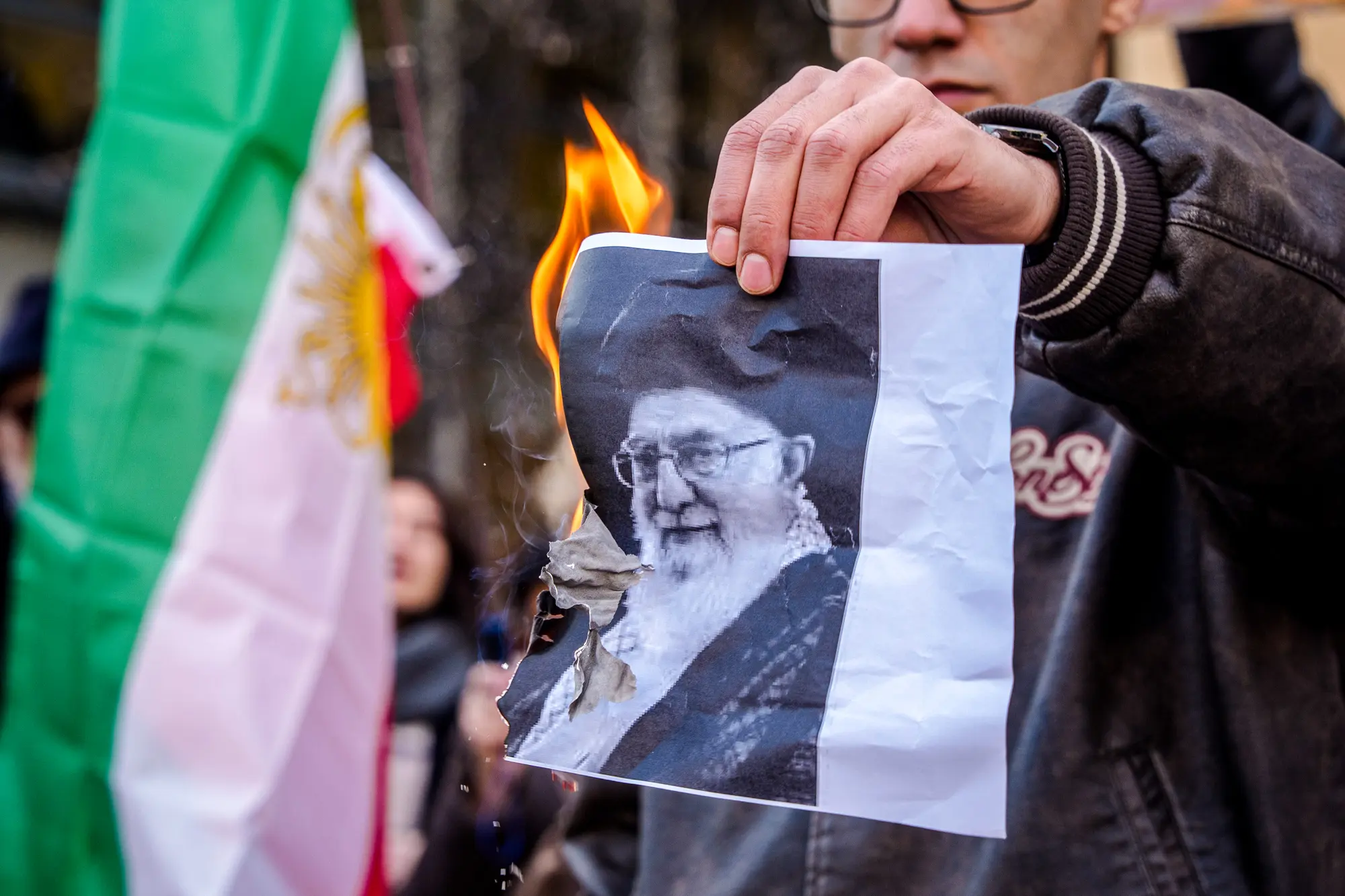
US Weighs Options
Trump issued his first public response to events in Iran on the sixth day of protests.
In the days that followed, prominent figures, including Sen. Lindsey Graham (R-S.C.) and exiled Iranian Crown Prince Reza Pahlavi, expressed hope that Trump would take similar decisive action against Iran.
Pahlavi has emerged as a central figure in the protest movement and his name is widely chanted both inside and outside the country.

The next day, Trump said there would be no negotiations with Iran’s Islamic regime.
Bijan Kian, a national security analyst, told The Epoch Times that a U.S. confrontation with Iran’s ruling system would not necessarily require ground forces. The Islamic Republic understands that it is weaker now than in the past, he said, and is aware that the United States could further weaken it by targeting the top of the system.
According to Kian, such actions could include strikes on command-and-control centers, coordination hubs used for internal repression, the Supreme National Security Council, and other sites that are both symbolically significant and operationally critical.
Kian said the Iran issue extends beyond human rights concerns, arguing that the collapse of the Islamic Republic, which he described as a supporter of terrorist groups and a strategic backer of the Chinese Communist Party, would align with U.S. strategic interests.

The Iranian people will ultimately prevail, Kian said, because the Islamic Republic is institutionally bankrupt and no longer represents the will of the population.
The Iranian woman who spoke to The Epoch Times said protest turnout increased sharply after Pahlavi issued a public call for action. Chants calling for his return to Iran and slogans against the ruling system were widely heard, she said.
She said she believes that some of the forces involved in the clampdown have been brought in from Iraq, noting, “I personally heard them speaking Arabic.”
Beyond the violence, she described shortages across the city. Basic food items such as rice and cooking oil are no longer available, even with government ration cards, and many stores are half-empty. She said deliveries have slowed and that some private producers may also be on strike.
She described intimidation tactics, including text messages sent by authorities warning that terrorists are in the crowds. Families of those killed or injured are sometimes pressured to pay fees before bodies are released, she said, noting that residents have reported dizziness and headaches from white smoke released over parts of Tehran, which she believes is intended to keep people from going out.