
OAN Staff Katherine Mosack
2:41 PM – Wednesday, February 11, 2026
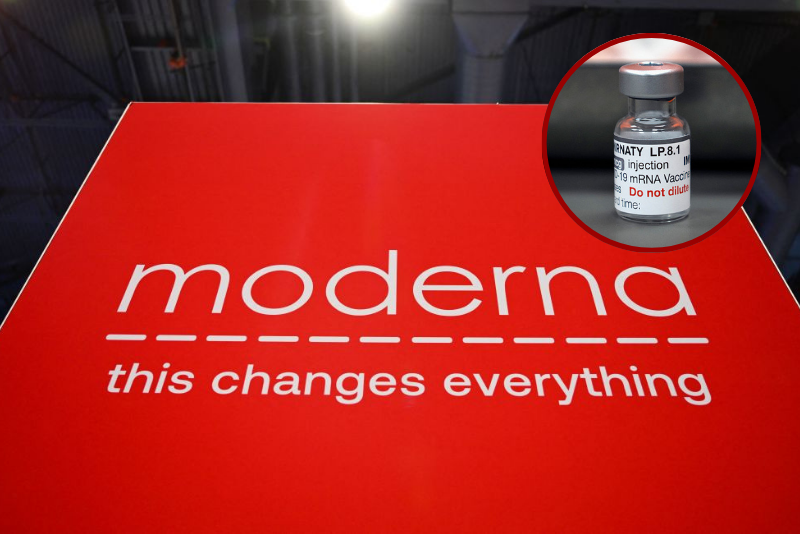
Moderna announced that the U.S. Food and Drug Administration (FDA) has refused to consider its application for a new flu vaccine using mRNA technology.
On Tuesday, the company reported in a news release that it had received a Refusal-to-File (RTF) letter from the FDA for its Investigational Seasonal Influenza Vaccine, mRNA-1010, despite filing a Priority Review Voucher to “facilitate a timely review of the application.”
The RTF letter, signed by Center Director Vinayak Prasad, MD, MPH, cited the company’s choice of a licensed standard-dose seasonal fly vaccine as a comparator in one of its trials, which the agency said was not the “best-available standard of care.”
“The letter is inconsistent with previous written communications from CBER to Moderna,” the company stated.
It noted that it had previously submitted the study protocol to the FDA’s Center for Biologics Evaluation and Research (CBER), which responded, “while we agree it would be acceptable to use a licensed standard dose influenza vaccine as the comparator in your Phase 3 study, we recommend you use a vaccine preferentially recommended for use in older adults by the Advisory Committee on Immunization Practices (ACIP).”
In its defense, the company argued that throughout previous regulatory cycles, the FDA had never flagged the comparative vaccine as a point of concern, making the sudden shift in the latest communication unexpected.
“This decision by CBER, which did not identify any safety or efficacy concerns with our product, does not further our shared goal of enhancing America’s leadership in developing innovative medicines,” said Stéphane Bancel, Chief Executive Officer of Moderna. “It should not be controversial to conduct a comprehensive review of a flu vaccine submission that uses an FDA-approved vaccine as a comparator in a study that was discussed and agreed on with CBER prior to starting. We look forward to engaging with CBER to understand the path forward as quickly as possible so that America’s seniors, and those with underlying conditions, continue to have access to American-made innovations.”
To address the RTF letter, Moderna has requested a Type A meeting with the CBER. Reserved for critical regulatory “pathway” disputes or safety concerns, these high-priority meetings are designed to resolve immediate roadblocks that have stalled a drug’s progress.
Simultaneously, the Department of Health and Human Services (HHS) has moved to cancel millions of dollars in grants for mRNA research. HHS Secretary Robert F. Kennedy Jr. defended the decision by asserting that current data indicates these vaccines are ineffective.
This funding shift highlights the fundamental difference between vaccine platforms.
While traditional vaccines typically introduce weakened or inactivated viruses — or specific viral proteins — to stimulate an immune response, mRNA vaccines take a different approach. Instead of injecting the antigen itself, they deliver a segment of messenger RNA that instructs the body’s own cells to temporarily produce a viral protein, which then triggers the production of antibodies.
Stay informed! Receive breaking news alerts directly to your inbox for free. Subscribe here. https://www.oann.com/alerts
What do YOU think? Click here to jump to the comments!
Sponsored Content Below