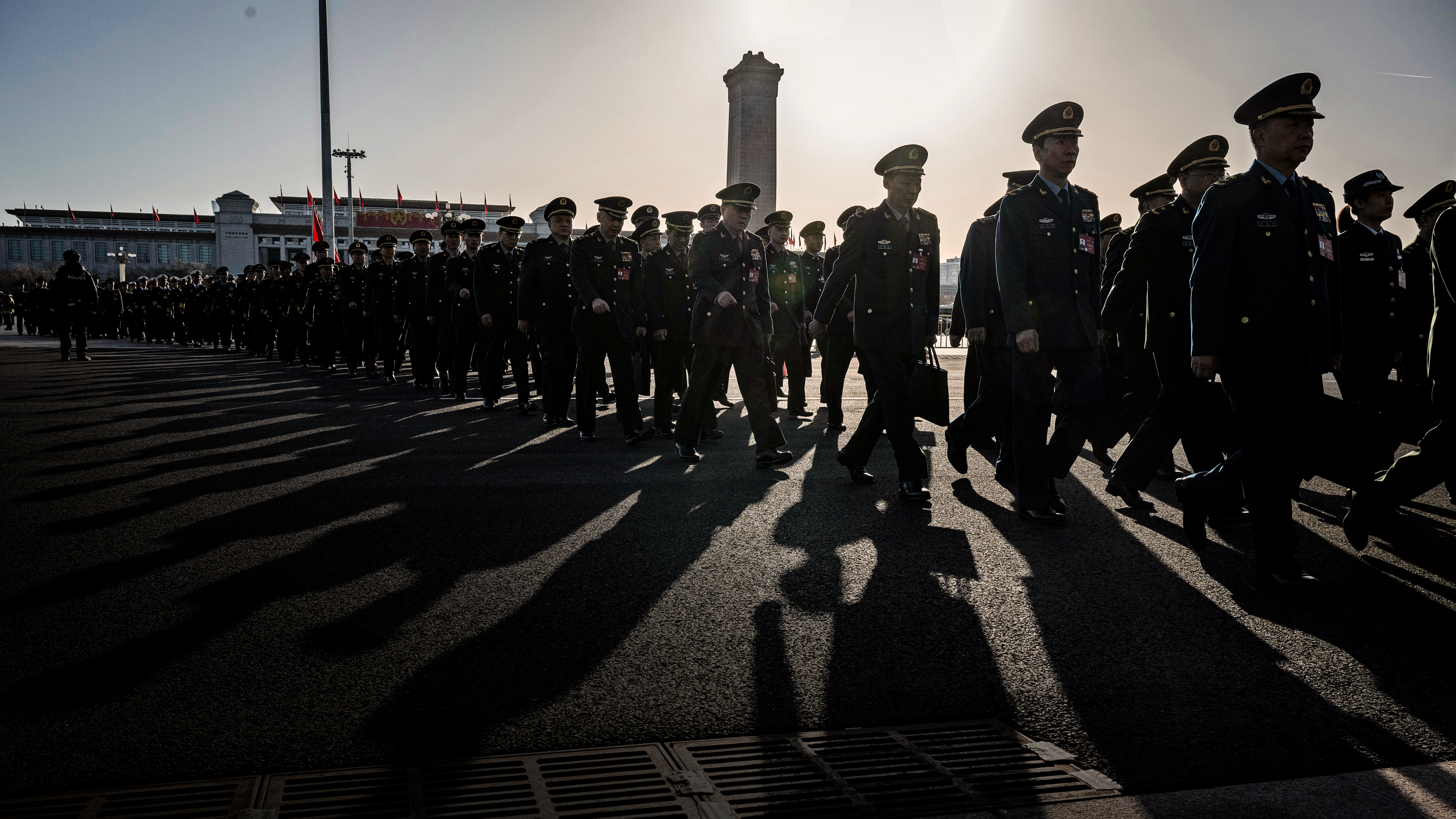
After Central Military Commission (CMC) Vice Chairman Zhang Youxia and chief of the Joint Staff Department Liu Zhenli were placed under investigation on Jan. 24, at least two directives issued by the CMC General Office to theater commands and group armies were ignored or only passively acknowledged. Sources said the grassroots troops within the military are expressing dissatisfaction, with the command-and-control system of the People’s Liberation Army (PLA) showing signs of dysfunction.
Ruan, a China-based source familiar with the military who gave only his surname out of fear of reprisal, told The Epoch Times that the CMC’s top leadership has now been reduced to just two figures: Chinese leader Xi Jinping and CMC Vice Chairman Zhang Shengmin.
Within the military, Ruan said, the removal of Zhang Youxia and Liu—both career officers rooted in the military’s command system—has been widely interpreted as a concentrated political purge, triggering resentment across multiple theater commands.
Reaction Inside the Ranks
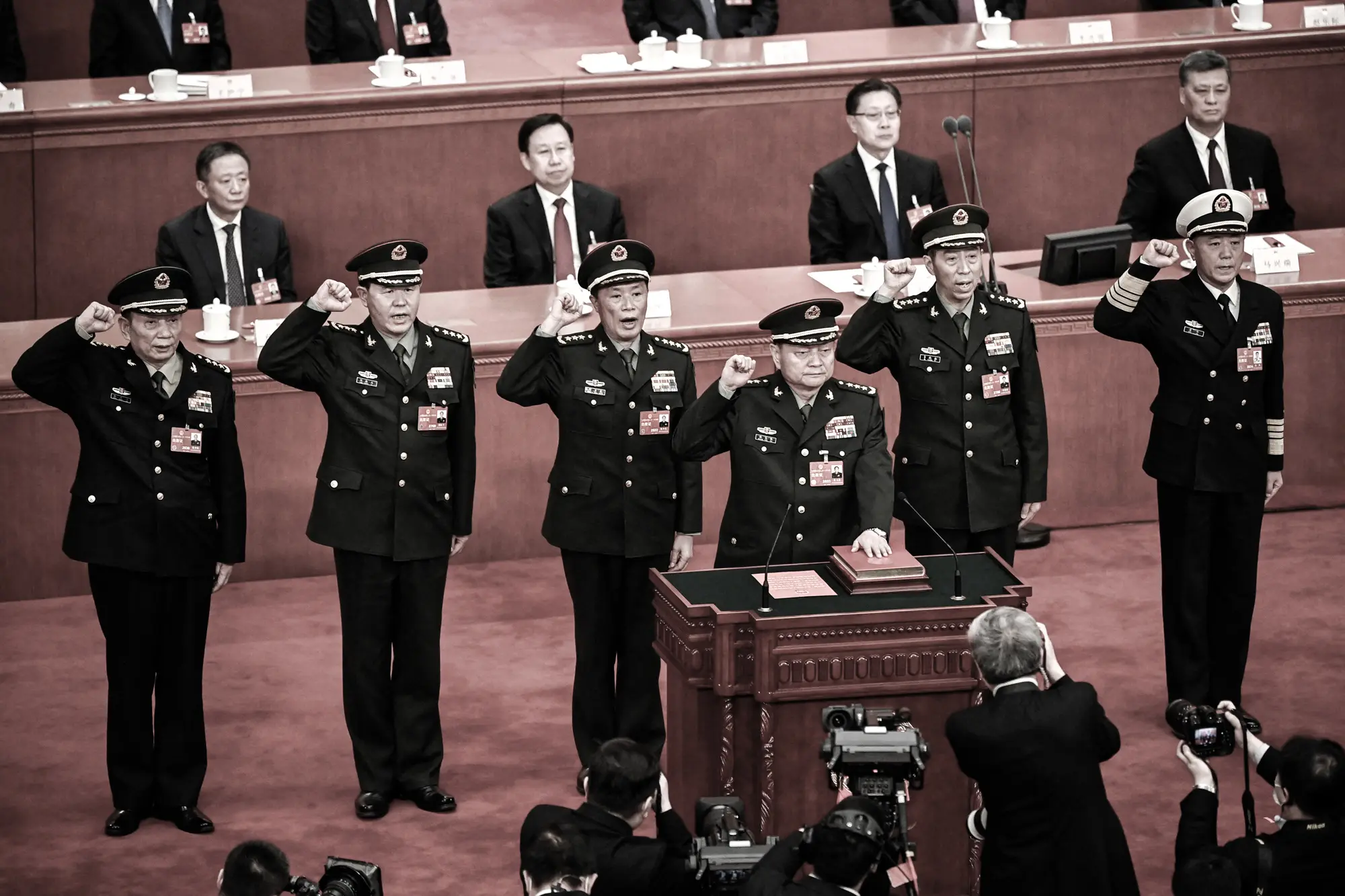
Ruan said the news of Zhang Youxia and Liu’s purge spread quickly within the armed forces, prompting strong internal reactions.
“This has severely undermined trust in top-level decision-making,” Ruan said, noting that many officers now view the process as driven by loyalty enforcement rather than institutional discipline.
Ruan said that on the same day the investigations were announced on Jan. 24, the CMC General Office issued at least two documents instructing military units to “maintain consistency with the Party Central Committee and the CMC” and to organize political study sessions for learning communist ideology and pledging loyalty to the regime.
However, in several regions those instructions were met with silence. Some units declined to issue public statements or hold internal meetings. A follow-up directive issued the next day—intended to suppress growing backlash—produced no meaningful change, and compliance remained minimal.
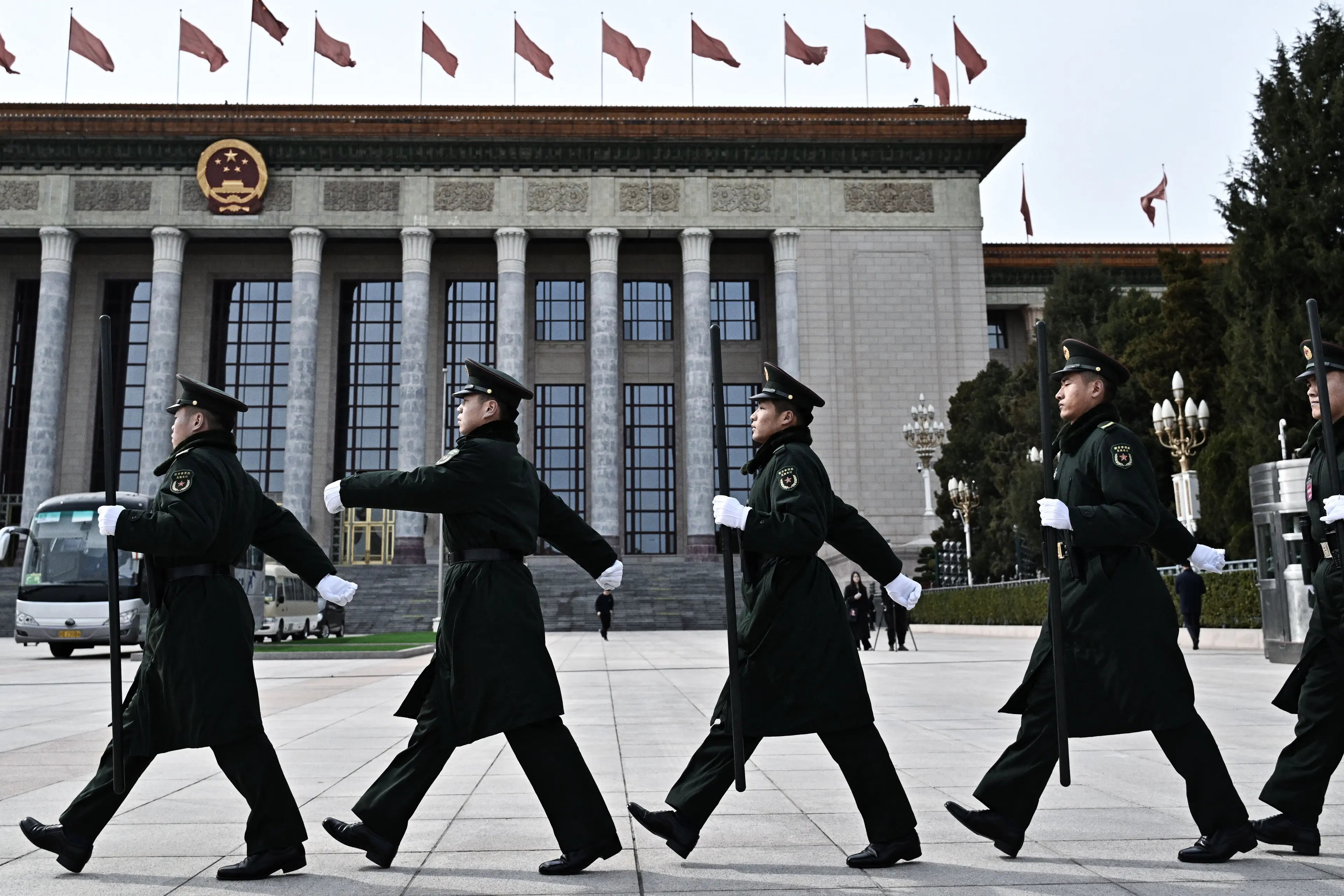
A review of official military and defense websites by The Epoch Times in the days following the purge showed no public declarations of loyalty from theater commands or major service branches—an absence that sources said is highly unusual in the PLA’s political culture.
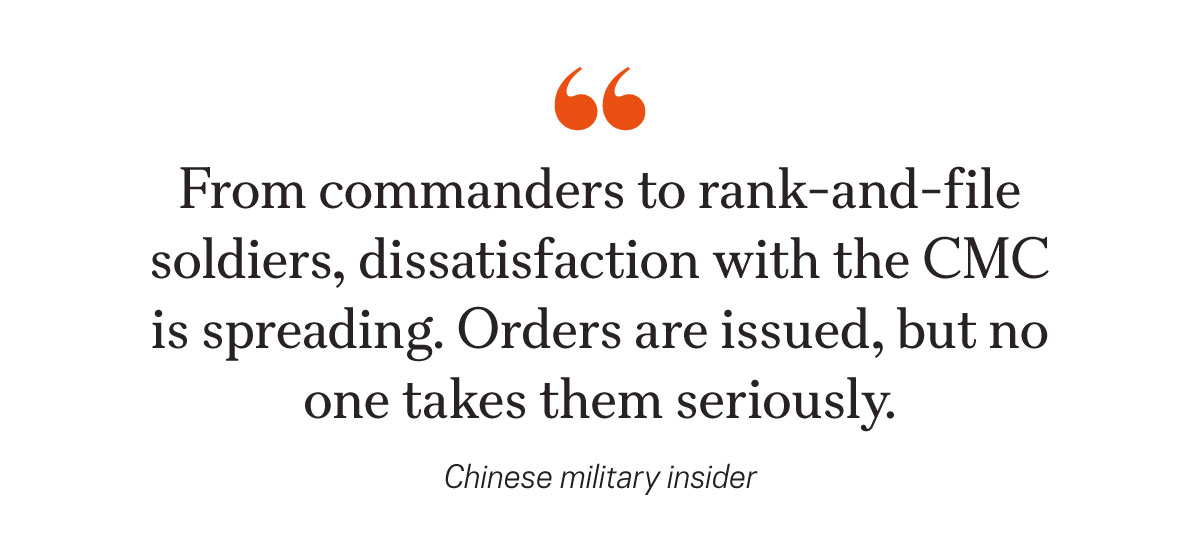
“The command channel for top-level military orders has effectively stalled,” said a source close to the military, who spoke to The Epoch Times on condition of anonymity out of fear of reprisal.
“From commanders to rank-and-file soldiers, dissatisfaction with the Central Military Commission is spreading.
Mockery a Sign of Defiance
The same source said some grassroots military personnel have openly mocked Xi, using the nickname “baozi” (which translates to “steamed stuffed bun”), a derogatory reference.
Similar behavior has been reported in the PLA’s Eastern Theater Command. A family member of an active-duty officer confirmed to The Epoch Times that some soldiers privately call Xi names that would have been unthinkable in earlier years.
“In the military context, this means the authority of the supreme commander is no longer recognized,” said the family member, who spoke to The Epoch Times on condition of anonymity out of fear of reprisal.
“Once orders from the top are no longer seen as absolute, any talk of war mobilization loses its foundation—no one would risk their life for you.”
Hu, a graduate of a Chinese military academy who gave only his surname, told The Epoch Times that the situation is historically rare.

“What we’re seeing now—bottom-up resistance—is unprecedented,” he said.
He noted that CMC directives have traditionally been followed by immediate, cascading statements of loyalty across all commands. The current “collective silence,” he said, is viewed within the military as a direct rejection of Xi’s authority.
“They were prepared to arrest people, but they clearly underestimated the internal backlash,” Hu said.
According to Hu, if Beijing continues pressing ahead with the cases against Zhang Youxia and Liu without making substantive adjustments, the CMC risks losing effective control over China’s massive military apparatus.
“The regime’s political and security costs will far outweigh the benefit of removing a few individuals,” Hu said.
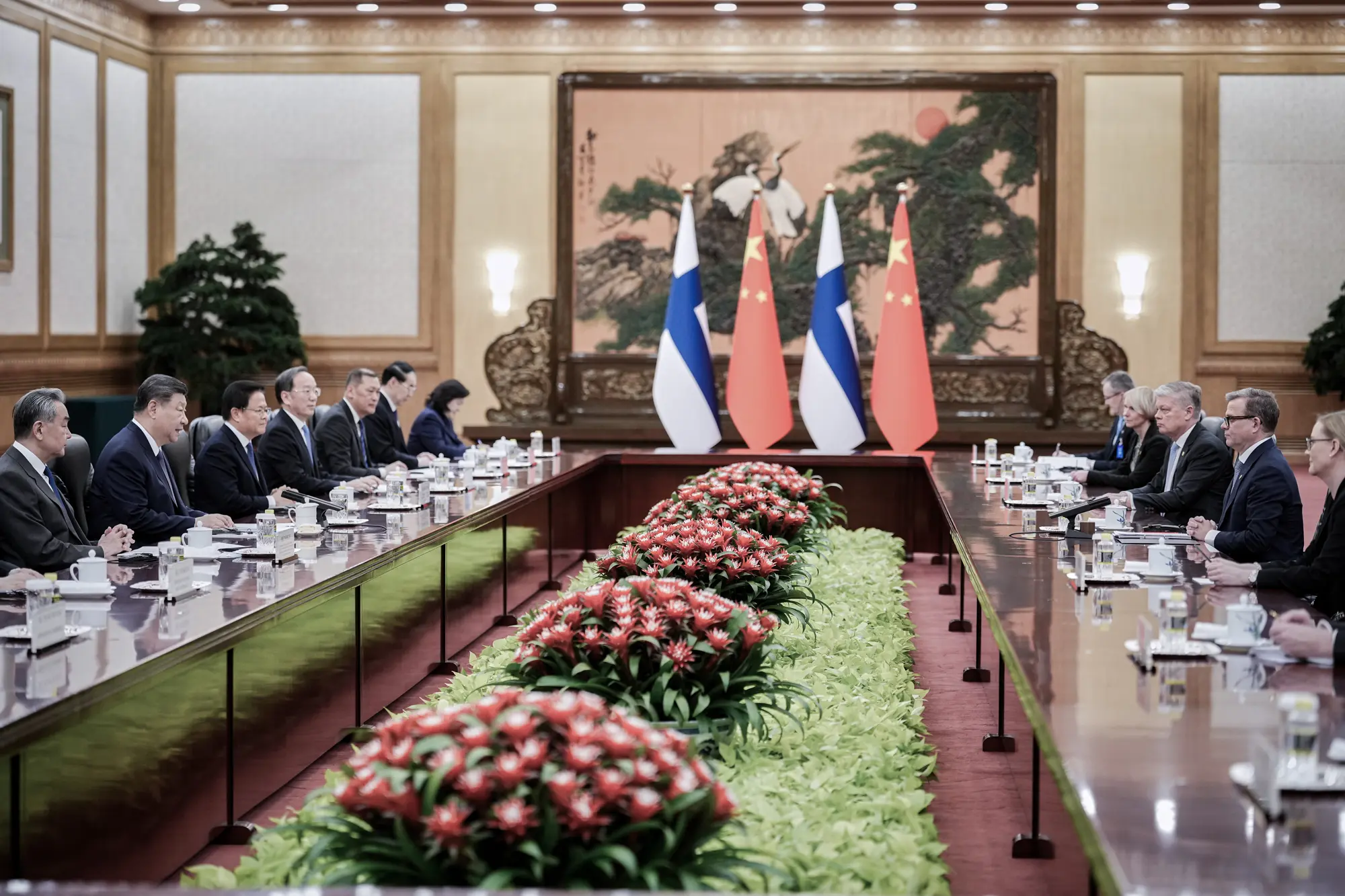
Chinese state media Xinhua reported that on Jan. 27—three days after Zhang Youxia’s removal—Xi appeared publicly for the first time since the purge, meeting Finnish Prime Minister Petteri Orpo. Official photographs showed Xi delivering remarks, but no reference was made to the military situation.
Structural Imbalance at Top
China-based military scholar Yuan, who gave only his surname out of fear of reprisal, told The Epoch Times that a CMC structure dominated by Xi and Zhang Shengmin is ill-equipped to command a modern fighting force.
Zhang Shengmin has spent most of his career in political and disciplinary roles and lacks operational combat experience, Yuan said, while professional military officers continue to dominate the PLA’s command system.
China’s military has long operated under a dual structure that separates political oversight from professional military command. The targeting of Zhang Youxia and Liu—both emblematic of the operational officer system—is widely seen within the PLA as disrupting that internal balance, Yuan said, which helps explain the rapid spread of resistance.
Multiple sources told The Epoch Times that unless the regime’s leadership reverses course or releases the two generals, the CMC could gradually lose its ability to exercise absolute command over China’s roughly 2 million active-duty troops.