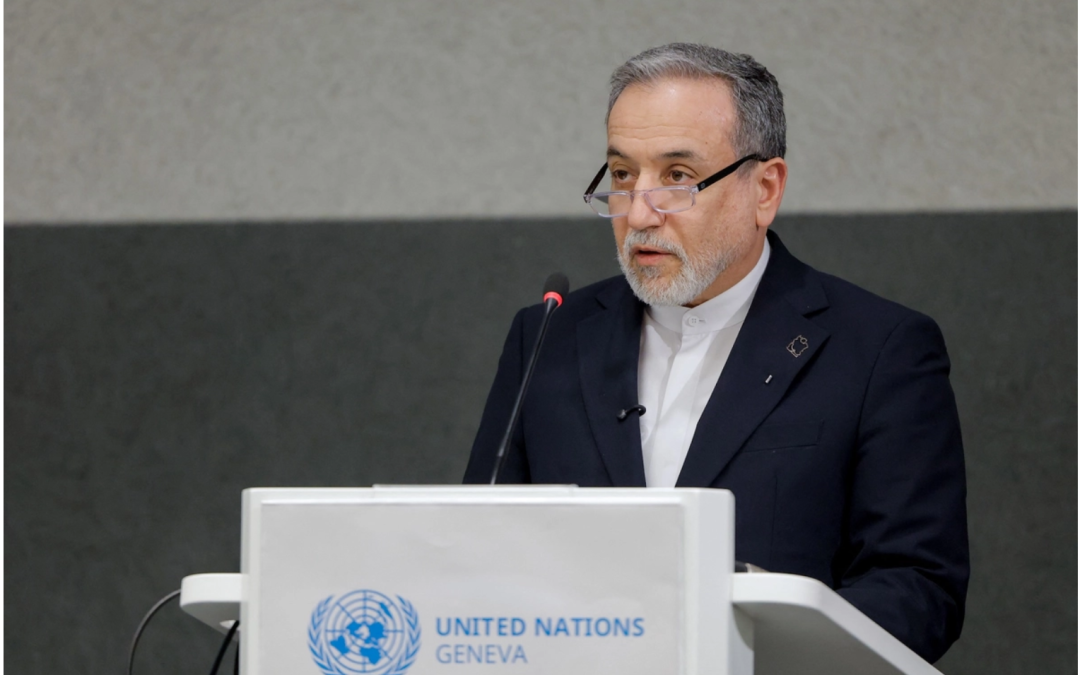
Iranian Foreign Minister Abbas Araghchi said on March 18 that a new international mechanism should be created to govern transit through the Strait of Hormuz once the current conflict ends.
In an interview with Al Jazeera’s “Talk to Al Jazeera,” released the same day, Araghchi said countries bordering the waterway should negotiate a protocol guaranteeing secure shipping under specific conditions.
“In my view, after the war, a new mechanism for the Strait of Hormuz should be designed so ships can pass safely under clear regulations that consider the interests of Iran and the region,” Araghchi said.
He said that states on both sides of the strait should establish rules ensuring secure transit in ways that “prevent the recurrence of war and guarantee lasting peace.”
Pressed on what those conditions might entail, Araghchi declined to specify details but said they must ensure sustainable peace and prevent the closure of the strategic passage in future crises.
“We do not want to see war in the region again, nor the strait closed again,” he said, adding that defined responses would be needed to maintain stability.
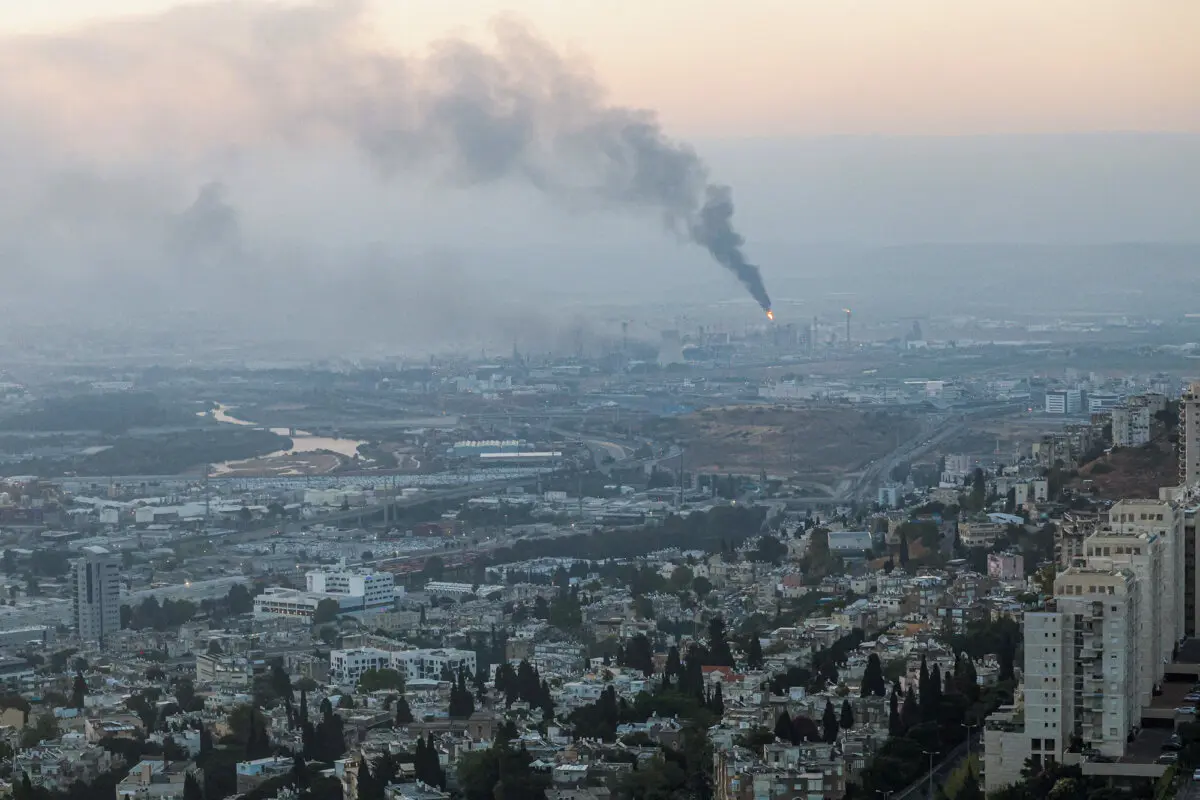
Shipping has been disrupted since U.S. and Israeli military operations against Iran began in late February, followed by Iranian missile and drone strikes on Israel and U.S. assets across the Gulf.
Araghchi said Iran did not initiate the conflict and blamed Washington for the escalation, indicating that Tehran would restrict access to adversaries during hostilities.
He said that insecurity in wartime naturally deters shipping and that some countries have contacted Iran directly to seek assurances of safe passage.
“Naturally, we will not allow our enemies to use this waterway,” he said, adding that Iran has attempted to facilitate transit for other states where possible.
Araghchi also said Tehran is seeking a permanent end to hostilities rather than a cease-fire.
Nuclear Doctrine
The conflict erupted amid long-running tensions over Iran’s nuclear program.

Asked whether Iran’s nuclear doctrine could change under new leadership following the death of Iranian leader Ali Khamenei in February, Araghchi said Iran has consistently maintained that its nuclear program is peaceful but acknowledged uncertainty about the new leader’s stance.
“Iran’s nuclear doctrine has always been peaceful, and we have defended our right to peaceful nuclear energy,” he said.
While noting that religious rulings depend on the individual who issues them, he added that he expected continuity with past policies but said observers would have to wait for definitive guidance.
Leadership Transition
Iran’s newly appointed supreme leader, Mojtaba Khamenei, said on March 12 that the Strait of Hormuz must remain closed for leverage and vowed retaliation for Iranians killed in the conflict, according to Iran’s state news agency.
The statement was delivered in writing and read on television rather than spoken directly.


Israeli officials suggested he may have been injured during strikes targeting his father’s bunker, though details remain unclear.
Araghchi said he had information indicating the leader was largely unharmed.
“As far as I know, he has only superficial injuries and is in full health and in control of the situation,” he said, adding that decisions about public appearances were up to the leader himself.
Araghchi said the country’s leadership structure remained intact.
He also said several countries had proposed mediation, but Tehran would only consider proposals meeting its conditions, including an end to the war across the region and compensation for damages.
Araghchi said he had heard reports but lacked confirmation. He said that Iran’s political system would endure regardless of individual losses.
“The Islamic Republic of Iran has a stable and deeply rooted structure encompassing political, economic, and social dimensions,” he said.
“The presence or absence of any one individual does not affect this political structure.”