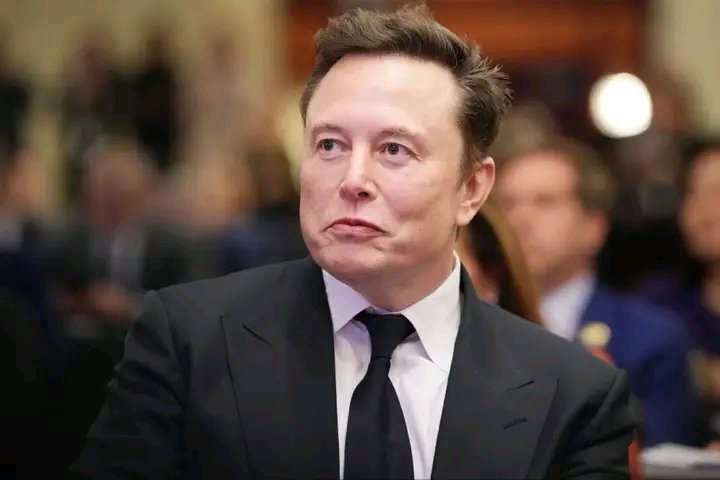
Elon Musk vaulted into uncharted financial territory on Dec. 19, becoming the first person in history to amass a net worth exceeding $700 billion after a Delaware court reinstated a massive Tesla compensation package that had been voided last year.
Musk, the chief executive of Tesla, had already crossed another milestone earlier this week, when his net worth briefly surpassed $600 billion amid reports that his aerospace company SpaceX could pursue an initial public offering.
Court Reverses Lower Ruling
In a 49-page opinion issued on Dec. 19, the Delaware Supreme Court ruled that a January 2024 decision by the state’s Chancery Court improperly rescinded Musk’s pay package and treated him inequitably. The high court identified what it described as multiple analytical and procedural flaws in the lower court’s reasoning and reinstated the incentive plan in full, awarding Tesla nominal damages of $1.
The compensation package, originally approved in 2018, was once valued at about $55 billion and has since ballooned alongside Tesla’s stock price. It was voided last year by Chancellor Kathaleen St. Jude McCormick after a shareholder lawsuit alleged conflicts of interest and inadequate disclosures during the approval process.
McCormick had ruled that Tesla’s board was overly influenced by Musk and that shareholders were misinformed. She cited Musk’s close personal and professional relationships with members of the compensation committee and concluded there had been no meaningful negotiation over the terms of the deal.
Shareholder Votes and Corporate Fallout
The litigation stems from a 2019 lawsuit filed by Tesla shareholder Richard Tornetta. Despite the legal challenge, Tesla shareholders voted in 2024 to reaffirm the pay package, which was then valued at about $44.9 billion.
The court battle has also had broader corporate consequences. After the 2024 ruling that voided the pay package, Musk sharply criticized Delaware’s legal system and moved Tesla’s legal home to Texas, part of a growing trend of companies shifting incorporation away from Delaware toward states such as Texas and Nevada.
Musk has co-founded or led a sprawling network of companies. He owns roughly 12 percent of Tesla, which he first backed in 2004 and has led as CEO since 2008. He also controls an estimated 42 percent of SpaceX, which was valued at about $800 billion in a private tender offer in December 2025.