While most Republicans are still with Trump on Iran, beneath the outward show of unity, something more politically dangerous is beginning to emerge: a growing fear that a war sold as limited could turn into the kind of Middle East quagmire MAGA voters thought they had already rejected.
And it isn’t just the usual anti-interventionist voices. It is now being voiced by Trump allies, rank-and-file House Republicans, and even senior GOP lawmakers leaving closed-door briefings sounding less reassured than rattled.
To wit – several Republican members of Congress and two GOP senators told zh that the Iran war – or, just as importantly, its economic fallout in the form of higher gas prices – could seriously frustrate MAGA voters if it drags on.
The clearest warning came from South Carolina Rep. and gubernatorial candidate Nancy Mace, who said that during her statewide campaigns, she’s received standing ovations for her opposition of U.S. boots on the ground.
“This is in front of conservative MAGA Republicans,” she told ZH on Wednesday.
“If there are boots on the ground, public sentiment on this war changes overnight in a flash… people are not going to go for it,” Mace added. “I was just in the briefing with House Armed Services [Committee], and I got to tell you it did not inspire confidence. I quite frankly stormed out.“
Mace has since made clear that her opposition is not rhetorical. Earlier this week she told reporters: “I’ll be voting against the funding if we’re putting troops on the ground. I’m not going to fund that.”
Mace: I’ll be voting against the funding if we’re putting troops on the ground. I’m not going to fund that—no U.S. troops. pic.twitter.com/qLDbT0OrvA
— Acyn (@Acyn) March 24, 2026
She later sharpened the point further, writing on X: “If a single boot of a single American soldier sets foot on Iranian soil, I will vote against this. I will not vote to fund sending South Carolina’s sons and daughters to die in a ground war in Iran.”
Texas Rep. Chip Roy, originator of the hotly debated SAVE America Act, struck a similar note. For Roy, the issue is not just strategy but clarity: if the administration is moving toward troop deployments, Republican voters will want to know exactly why, exactly for how long, and exactly what victory is supposed to look like.
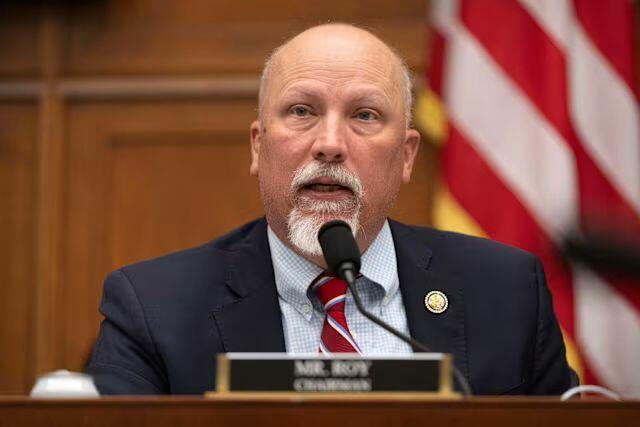
“There’s a lot of concern,” he said when asked about actual conversations he’s had with constituents. “It would need to be very clear what we’re doing if that’s where it’s headed.”
Another Texas House Republican, Brandon Gill, emphasized his trust in the President and the national security rationale for the war. But even Gill echoed the same red line voiced by Mace and Roy: support can evaporate quickly if this becomes an open-ended nation-building exercise.
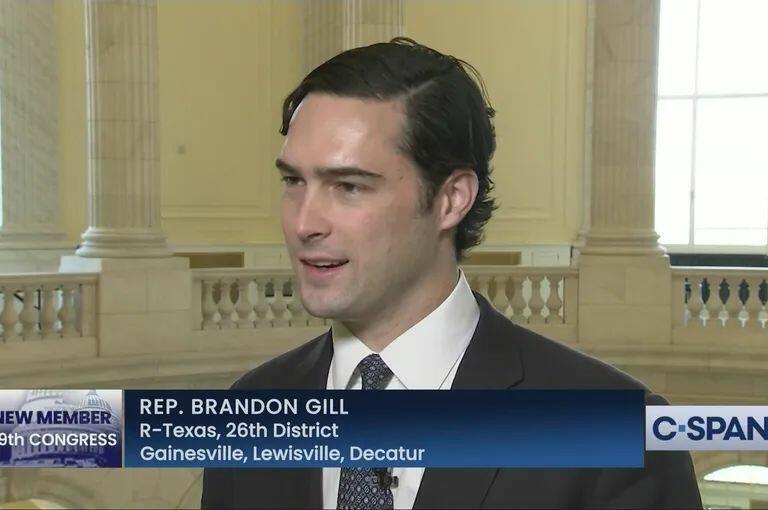
“[Voters] don’t want to get us into – for the United States to get into – a long prolonged Middle East,” Gill told ZH. “We’re not going to go out and start nation building. The American people don’t want us to.”
That is the core tension now running through the GOP. Many Republican voters and lawmakers may still support the strikes as a show of force. But support begins to erode as the prospect of deeper involvement grows.
GOP lawmakers are belatedly starting to wake up to the possibility that the United States could once again get bogged down in another Middle East quagmire – this time in a country roughly double the size of Iraq in both geography and population.
At the center of that concern is the fear that what began as a supposedly limited operation is rapidly expanding into something far more costly, more open-ended, and more politically toxic. The Pentagon’s massive supplemental funding request only intensified those suspicions, especially after White House officials had initially previewed the war as lasting only “days” or a few “weeks,” not months or years.
That uncertainty matters because the politics of this war may ultimately be decided less by ideology than by cost. Kentucky Senator Rand Paul told us bluntly that the political fate of the conflict could be sealed at the gas pump.
“It’s going to be an uprising of [voters] saying they don’t want $5 gasoline,” Paul told ZH.
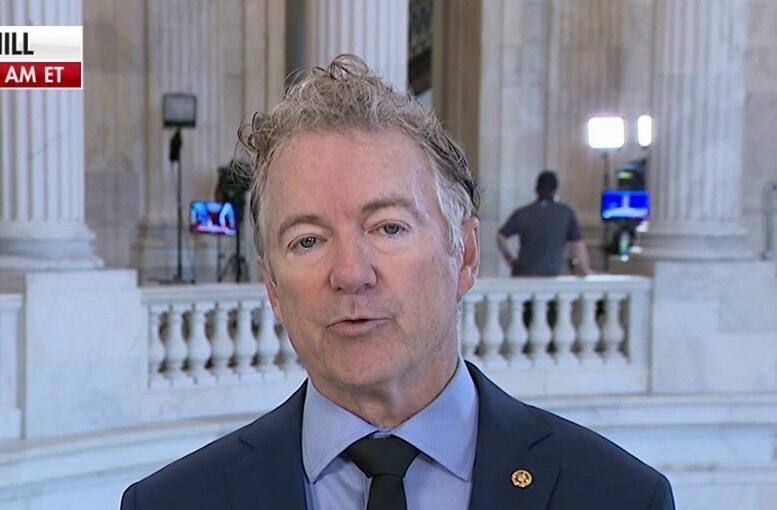
“The longer it goes on, particularly for people who most of their paycheck goes to rent, gas, and food, those people become increasingly against the war over time.”
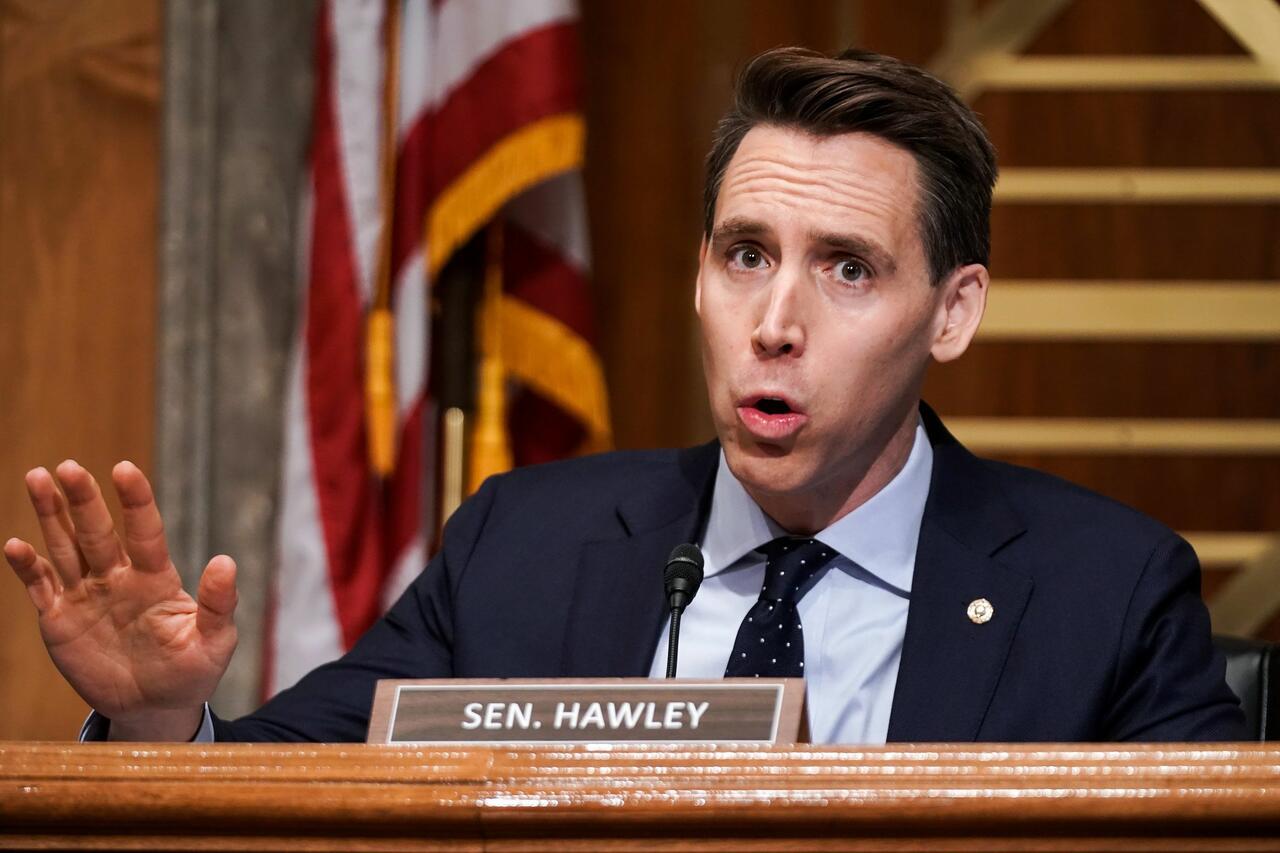
Missouri Sen. Josh Hawley, while stopping short of criticizing the war itself, pointed to the same underlying vulnerability. Asked what is upsetting GOP voters and contributing to setbacks in places that should be safely Republican, he said simply: the cost of living.
“They want to see prices come down. They want gas to be cheaper. They want healthcare to be cheaper. Families need it,” Hawley told ZH. “What we have right now where everything continues to get expensive, or at least it’s not getting less so, but their wages are not meaningfully going up, something’s got to change.”
That is the danger now hanging over Trump and congressional Republicans alike. The admin has already lost anti-war conservatives, but they may be able to maintain the middle of the bell curve if the war doesn’t drag on.
Or as Mace put it, support could change “overnight in a flash.”