 President Donald Trump said on March 16 that he believes the U.S.–Israeli war with Iran could be “wrapped up soon,” but added that it is unlikely to end within the week.
During a press conference in the Oval Office, Trump was asked whether he thinks the war could end this week, to which he replied, “I don’t think so, but it’ll be soon.”
“Won’t be long. And we’re going to have a much safer world when it’s wrapped up. It’ll be wrapped up soon,” the president told reporters. “I had an obligation to do this.”
Trump said the military operation against Iran had stopped Tehran from developing nuclear weapons and averted “a nuclear war that would have evolved into World War III.”
“If I didn’t do that, if I didn’t decimate, I call it their nuclear dust, they would have had a nuclear weapon within one month after that bombing took place, and they would have used it on, first, Israel and then the Middle East, and you know that because all of those missiles that were launched against their neighbors were set long ago, long before they knew they would be using them this quickly,” he added.
Trump also said that some countries have agreed to help patrol the Strait of Hormuz, a vital maritime chokepoint for global oil and gas shipments, and that an announcement will be made soon.
“There are a couple, we’ll be announcing some names. There are some that really were right up front,” he said. “I would say this, it’s a lot easier to get people today than it was two weeks ago.”
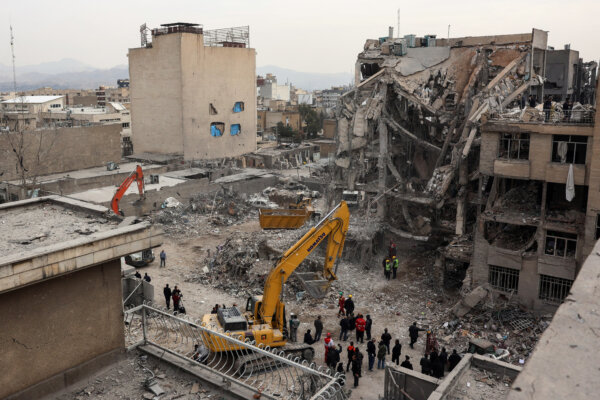
Shipping through the Strait of Hormuz has been disrupted since the United States and Israel began military operations against Iran at the end of February, and Tehran retaliated by firing missiles and drones at Israel and U.S. military assets across Gulf nations.


Trump said on March 15 that he has demanded that seven countries help the U.S. Navy secure the waterway. He did not name the countries but said they rely heavily on the Strait of Hormuz for crude oil shipments, while noting that the United States is less dependent on it.
Takaichi said her government is examining potential responses to the situation in the Strait of Hormuz within its legal limits.
“We have not made any decisions whatsoever about dispatching escort ships. We are continuing to examine what Japan can do independently and what can be done within the legal framework,” Takaichi told parliament.

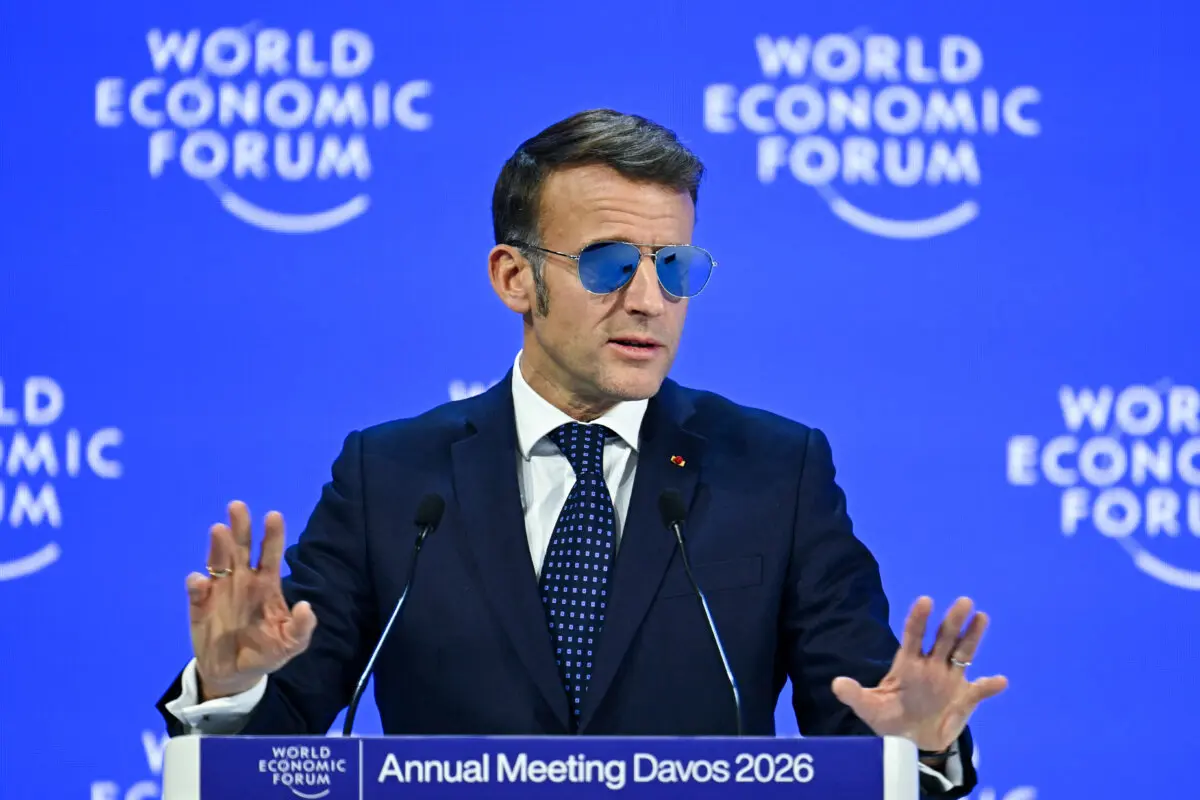
French President Emmanuel Macron said on March 15 that he spoke to Iranian President Massoud Pezeshkian and asked him to end Iranian attacks against nations in the Middle East and to restore freedom of navigation in the Strait of Hormuz.
“I reminded him that France is acting within a strictly defensive framework aimed at protecting its interests, its regional partners, and freedom of navigation, and that it is unacceptable for our country to be targeted,” Macron said in a post on X.
Macron said that “a new political and security framework” is needed to ensure peace and security in the region, one that guarantees “Iran never acquires nuclear weapons” and addresses the threat posed by its ballistic missile program. It’s unclear whether France will send warships to the Strait of Hormuz.