By Arjun Singh The Epoch Times
 Congressional midterms will be held on Nov. 3, 2026, when all 435 seats in the House of Representatives and 35 seats in the Senate will be up for election. Thirteen of those Senate seats are currently held by Democrats and 20 are held by Republicans. The final two seats up for election are the Ohio Senate seat previously held by Vice President JD Vance and the Florida Senate seat previously held by Secretary of State Marco Rubio.
The Republican Party currently has a slim majority in both chambers, and Democrats are looking to challenge that.
As campaign season approaches, 47 members of Congress are not seeking reelection, the highest number in recent years. Some, including several high-profile lawmakers, are retiring from politics altogether, while others are running for other political offices either in their states or in the U.S. Senate.
Retirements
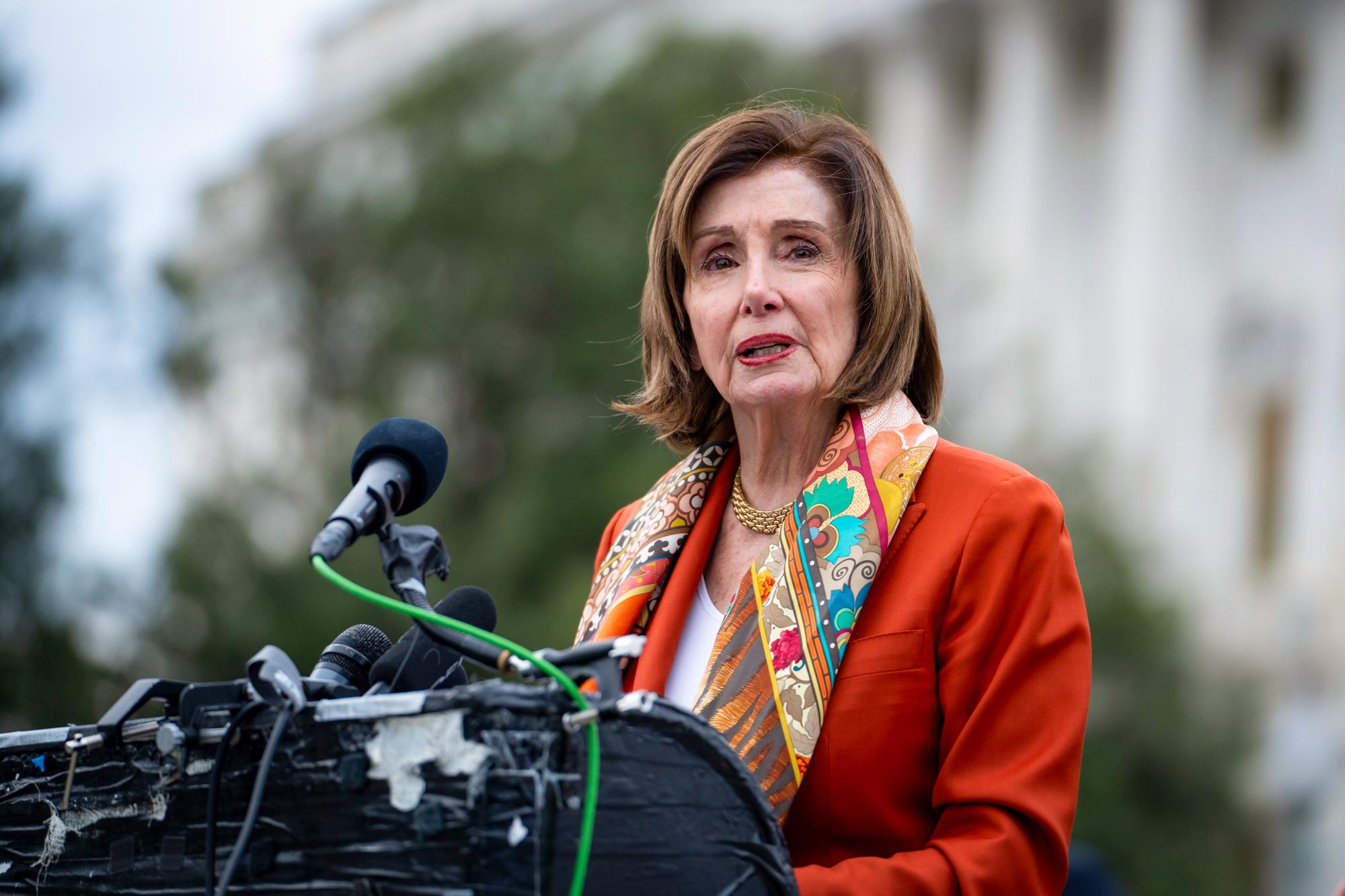
The most prominent retiree is 52nd Speaker of the House Nancy Pelosi (D-Calif.), who held that office for eight years, from 2007 to 2011 and from 2019 to 2023. Pelosi, 85, was first elected to the House in 1987, representing San Francisco. She will depart Congress on Jan. 3, 2027, after nearly 40 years in the body.
Pelosi has been a high-ranking government official for many years and, as speaker, led the passage of major legislation such as the Patient Protection and Affordable Care Act of 2010, also known as Obamacare.
During President Donald Trump’s first term in office, she was the leader of the opposition to Trump’s presidency and oversaw his two impeachments. He was acquitted both times in the Senate.
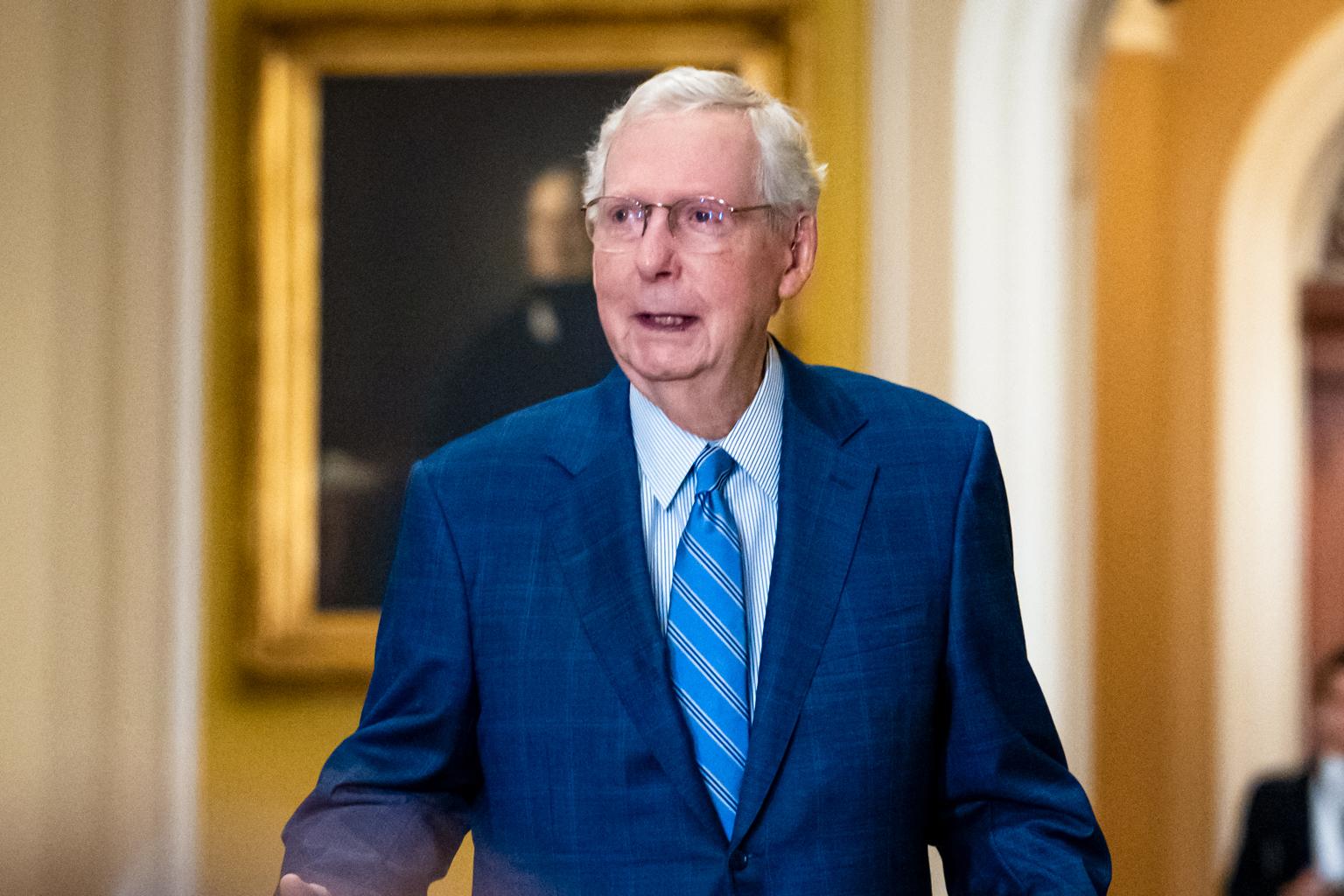
Another high-ranking retiree is Sen. Mitch McConnell (R-Ky.), who served as Senate majority leader for six years from 2015 to 2021 and was leader of the Senate Republican Conference for 18 years from 2007 to 2025. McConnell, 83, will be leaving Congress after 40 years. He was elected to the Senate in 1984 and took office in 1985.
McConnell’s career as leader of Republicans in the Senate has been long, but he first captured national attention as majority leader in 2016, when he refused to grant a hearing to then-President Barack Obama’s nominee for the Supreme Court, then-Judge Merrick Garland. He called this refusal “the most important decision” of his career. Garland went on to become attorney general in the Biden administration.
McConnell’s later stewardship of conservative federal judge nominations during Trump’s first term, which he called his “highest priority,” is widely regarded as having reshaped the federal judiciary to favor conservatives, especially at the Supreme Court. Three new high court justices were approved by the Senate under McConnell’s leadership.
After he left the office of majority leader, McConnell’s age was frequently raised as a concern, especially following instances in which he froze while speaking with reporters.
 |
 |
|
(Top) Rep. Nancy Pelosi (D-Calif.) speaks during a news conference on Capitol Hill in Washington on Nov. 19, 2024. (Bottom) Sen. Mitch McConnell (R-Ky.) in Washington on Nov. 13, 2024. Madalina Vasiliu/The Epoch Times |
|
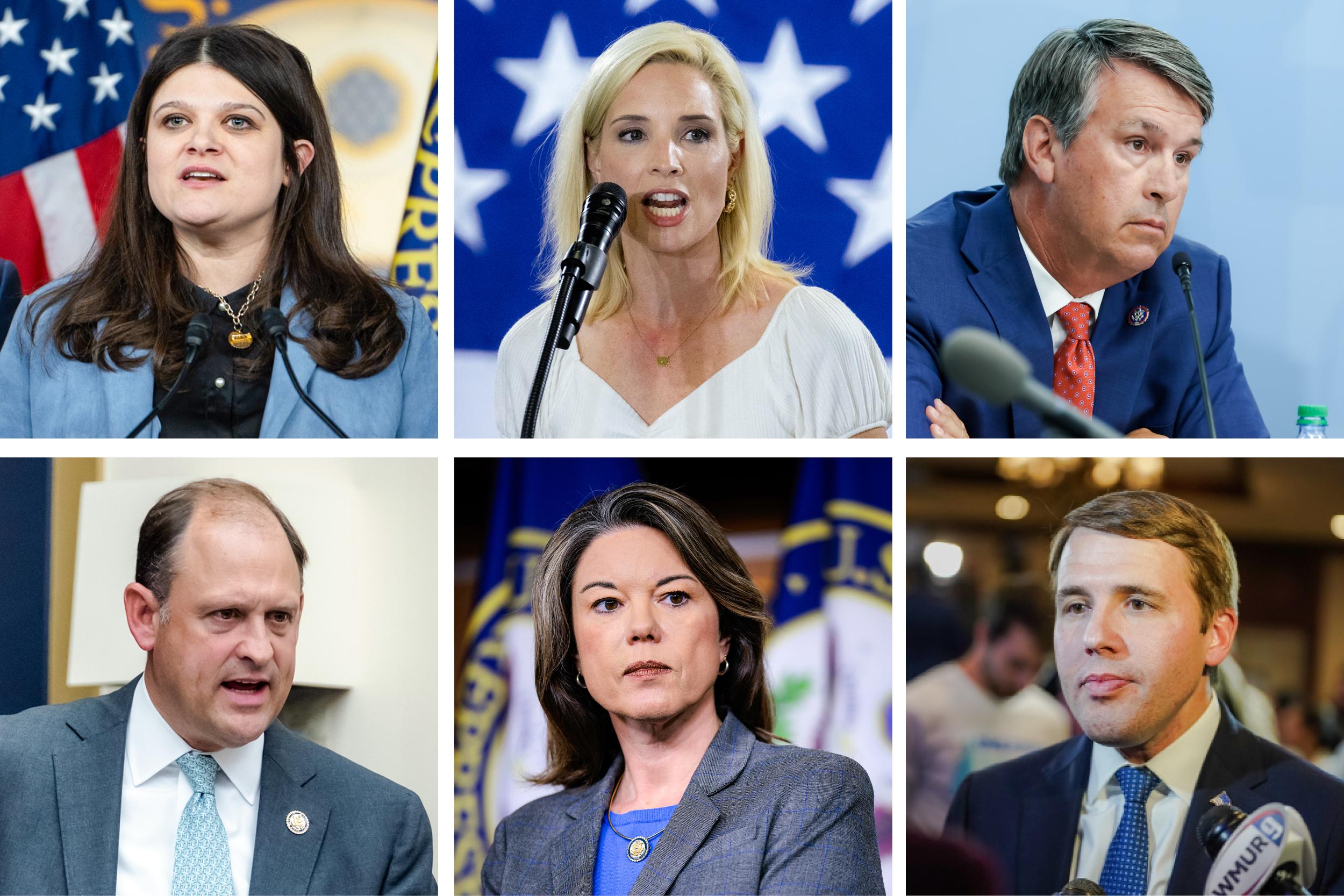
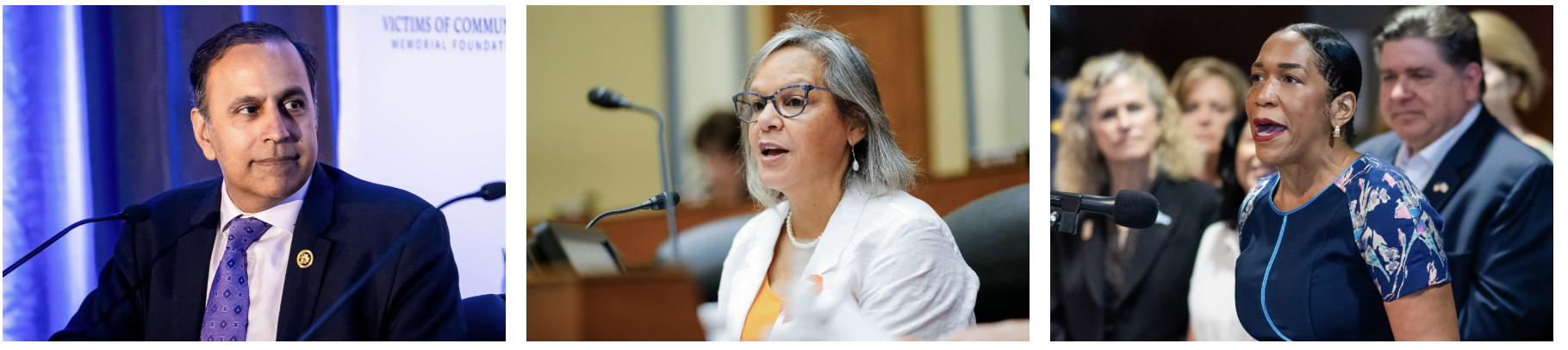
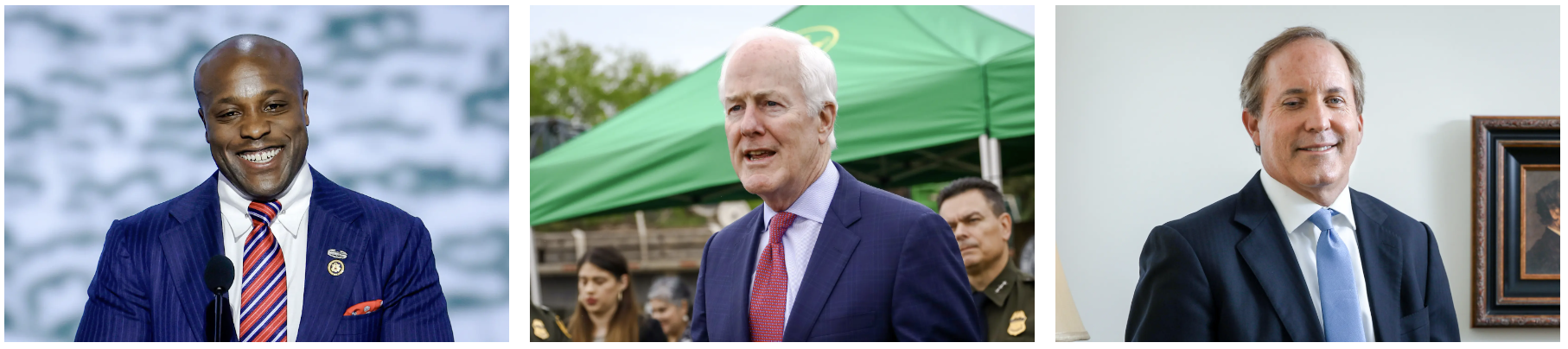
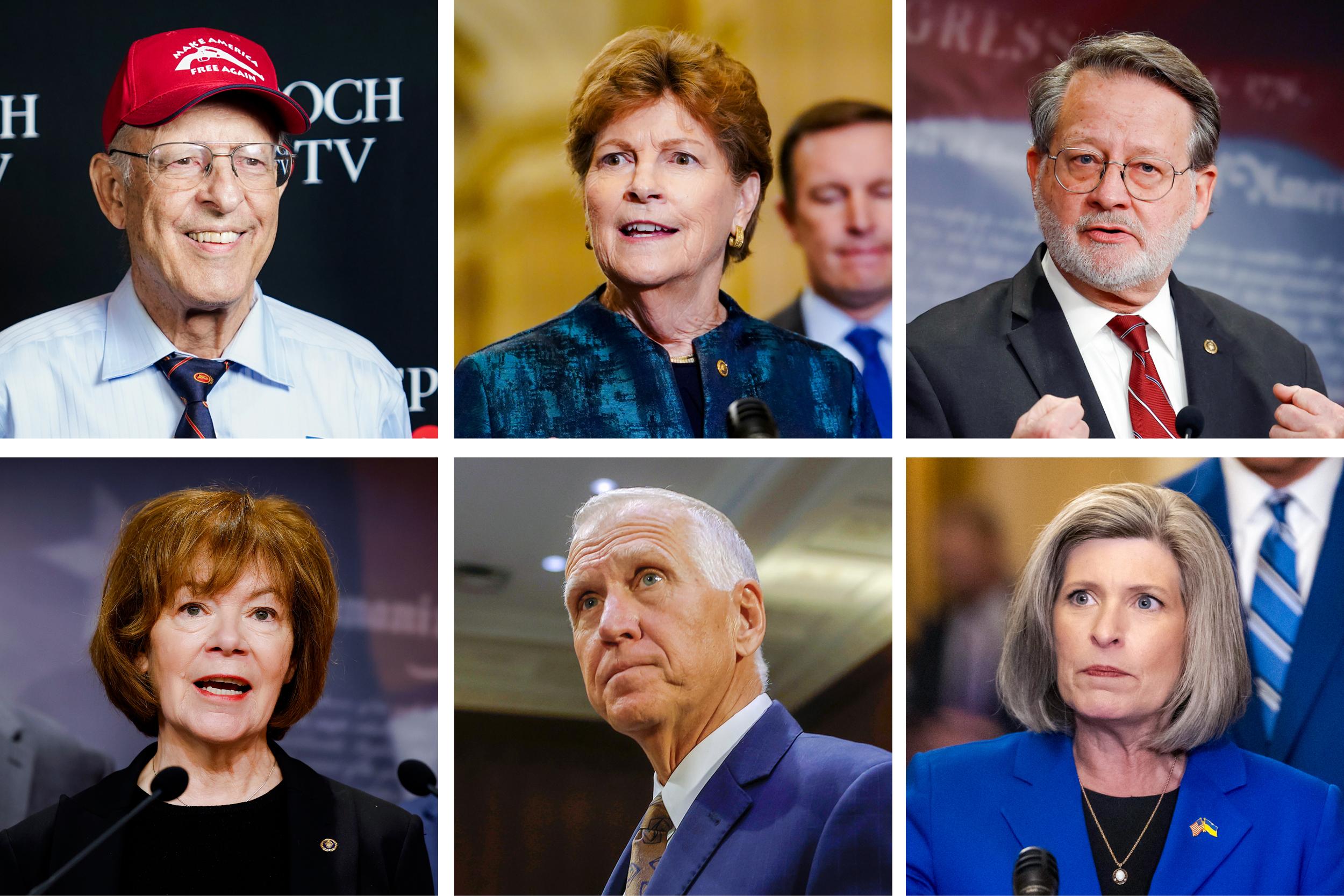
Apart from Pelosi and McConnell, several other members of Congress older than 65 are retiring. In the Senate, these include Minority Whip Dick Durbin (D-Ill.) and Sens. Jeanne Shaheen (D-N.H.), Gary Peters (D-Mich.), Tina Smith (D-Minn.), and Thom Tillis (R-N.C.), all of whom have had long political careers across multiple public offices. Sen. Joni Ernst (R-Iowa), 55, who has served since 2015, is not seeking reelection. In the House, retirements include former House Judiciary Committee Chairman Jerry Nadler (D-N.Y.), as well as Reps. Bonnie Watson Coleman (D-N.J.), Danny Davis (D-Ill.), Jesús “Chuy” García (D-Ill.), Nydia Velázquez (D-N.Y.), and Jan Schakowsky (D-Ill.). Aside from García, 69, and Velázquez, 72, all are aged between 78 and 84. Younger members of the House who are leaving without professed intentions to seek another office are former House Foreign Affairs Committee Chairman Michael McCaul (R-Texas) and Reps. Morgan Luttrell (R-Texas), Jodey Arrington (R-Texas), Don Bacon (R-Neb.), Jared Golden (D-Maine), and Troy Nehls (R-Texas).
|
 |
|
(Top Left) Dick Heller speaks during an interview with The Epoch Times in Washington on Oct. 5, 2023. (Top Center) Sen. Jeanne Shaheen (D-N.H.) speaks at a news conference on Capitol Hill in Washington on Sept. 19, 2023. (Top Right) Sen. Gary Peters (D-Mich.) at a news conference at the U.S. Capitol on Jan. 29, 2025. (Bottom Left) Sen. Tina Smith (D-Minn.) (C) talks to reporters with Sen. Jeff Merkley (D-Ore.) (L) and Sen. Chris Van Hollen (D-Md.) at the U.S. Capitol on Feb. 9, 2024. (Bottom Center) Sen. Thom Tillis (R-N.C.) arrives for a hearing on Capitol Hill in Washington on May 6, 2025. (Bottom Right) Sen. Joni Ernst (R-Iowa) speaks at a news conference at the U.S. Capitol on July 9, 2024. Madalina Vasiliu/The Epoch Times, Kevin Dietsch, Chip Somodevilla/Getty Images |
|
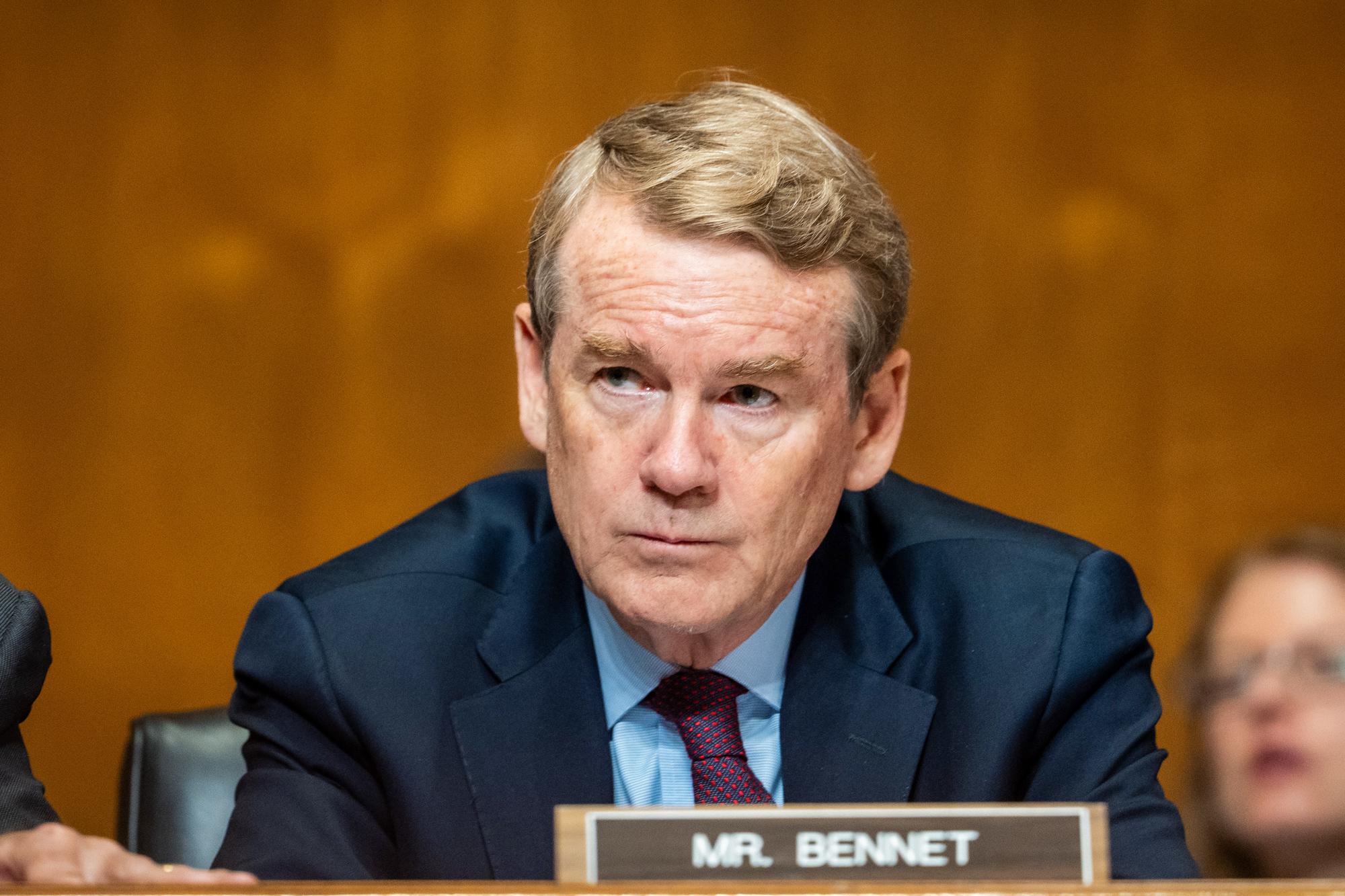
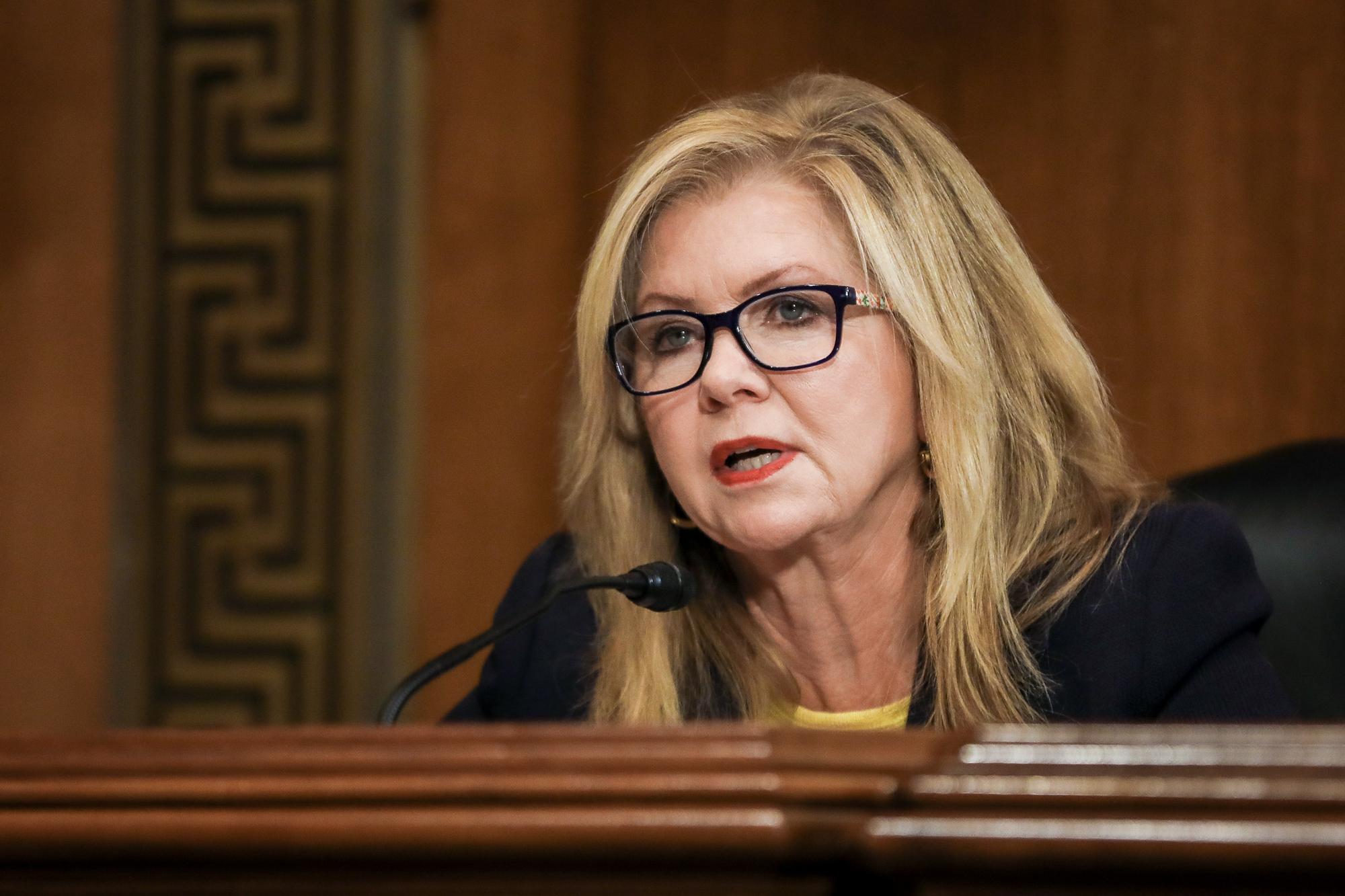
Rep. Marjorie Taylor Greene (R-Ga.) is resigning from Congress effective Jan. 5, 2026, after a dispute with Trump, of whom she was previously an enthusiastic supporter. The dispute centers on Greene’s advocacy for transparency surrounding documents about deceased sex offender Jeffrey Epstein, known as the “Epstein files.” Greene has also accused the Trump administration of monopolizing the lawmaking process. “With almost one year into our majority, the legislature has been mostly sidelined, we endured an 8 week shut down … [and] America was force fed disgusting political drama,” Greene wrote in her public resignation letter. Seeking Other Offices Three U.S. senators are running to be the governors of their states. These are Sens. Michael Bennet (D-Colo.), Marsha Blackburn (R-Tenn.), and Tommy Tuberville (R-Ala.).
|
 |
 |
|
(Top) Sen. Michael Bennet (D-Colo.) speaks during a hearing on Capitol Hill in Washington on Sept. 4, 2025. (Bottom) Sen. Marsha Blackburn (R-Tenn.) during a Senate Judiciary Committee hearing at the U.S. Capitol on Oct. 22, 2019. Madalina Kilroy, Charlotte Cuthbertson/The Epoch Times |
|
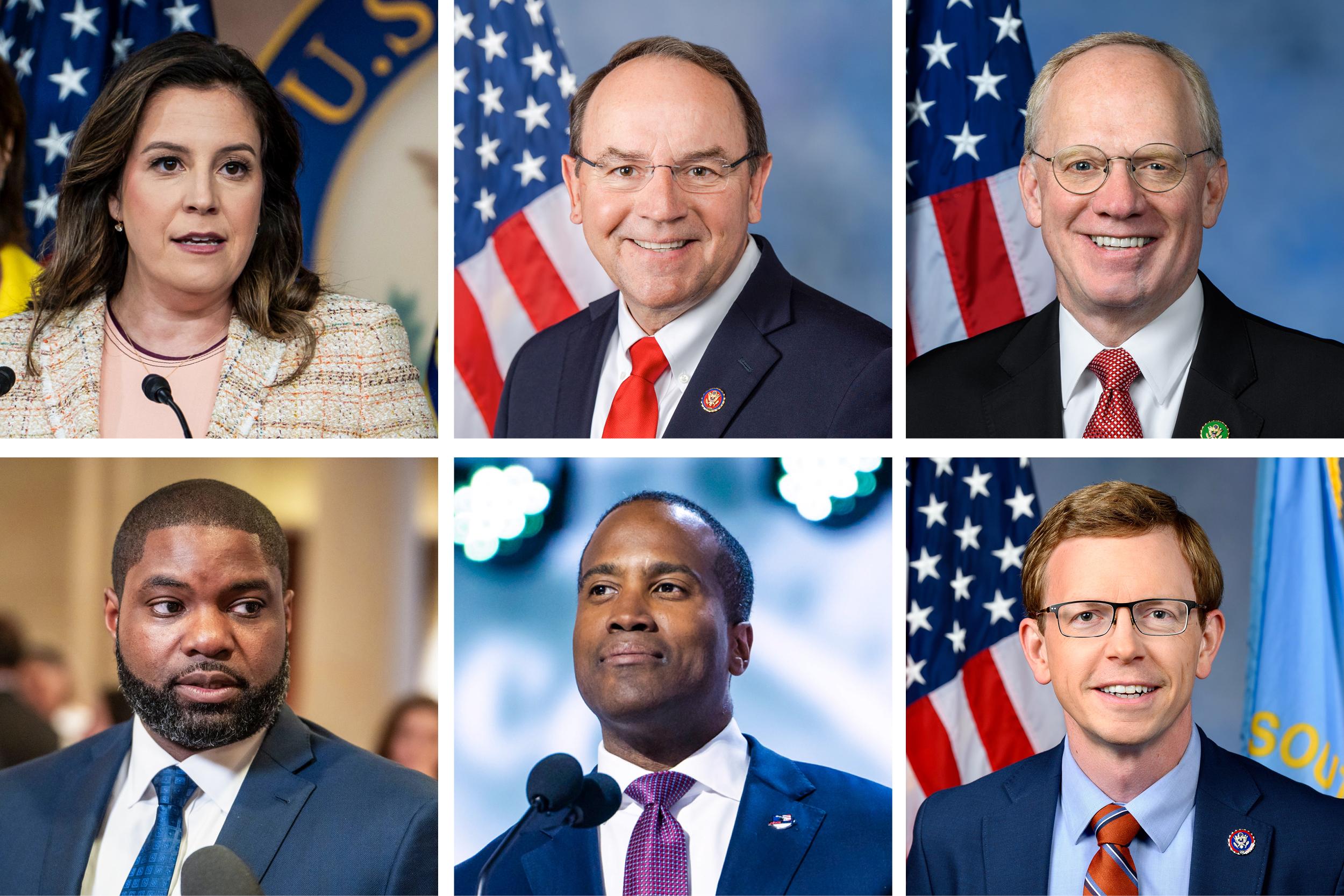
Other than those three gubernatorial hopefuls, no U.S. senator is running for any other office. Twenty-four members of the House, by contrast, are running for the U.S. Senate or for state offices. Those running for governor include Reps. Elise Stefanik (R-N.Y.), Tom Tiffany (R-Wis.), John Rose (R-Tenn.), Byron Donalds (R-Fla.), John James (R-Mich.), and Dusty Johnson (R-S.D.). |
 |
|
(Top L–R) Rep. Elise Stefanik (R-N.Y.) during a news conference at the U.S. Capitol on April 30, 2024; Rep. Tom Tiffany (R-Wis.) in this file photo; Rep. John W. Rose (R-Tenn.) in this file photo. (Bottom L–R) Rep. Byron Donalds (R-Fla.) at the U.S. Capitol on May 15, 2025; Rep. John James (R-Mich.) speaks at the 2024 Republican National Convention in Milwaukee on July 15, 2024; Rep. Dusty Johnson (R-S.D.) in this file photo. Madalina Vasiliu/The Epoch Times, Public Domain |
|
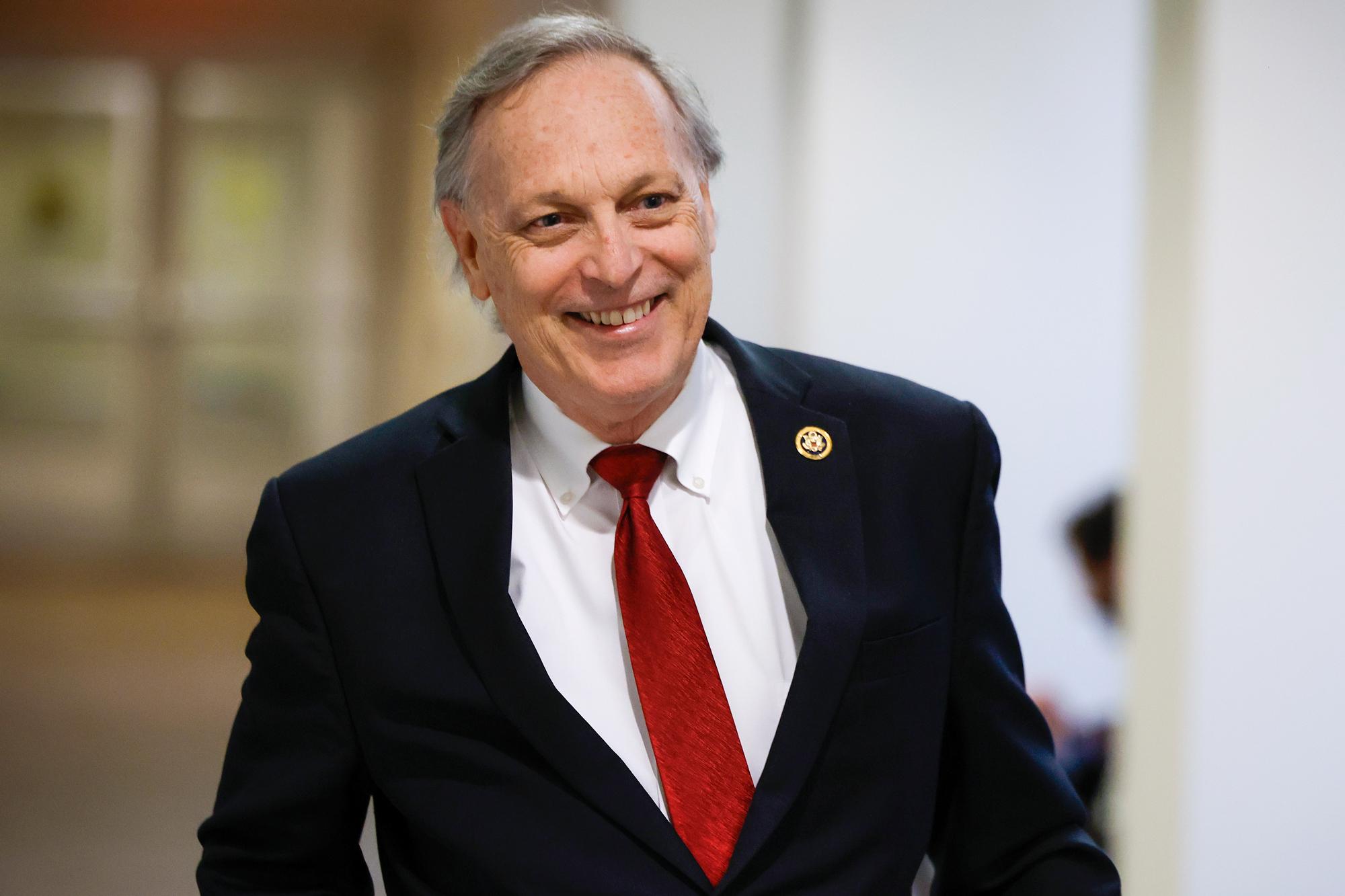
In South Carolina, Reps. Nancy Mace (R-S.C.) and Ralph Norman (R-S.C.) are running against each other for the Republican gubernatorial nomination, as are Reps. Dave Schweikert (R-Ariz.) and Andy Biggs (R-Ariz.) in Arizona. |
|


|

|